Guides
Camera Hire Insurance in the UK: Deposits and Damage
LighRent does not include insurance on hires. Here is how the refundable deposit, the inspection window after return, and the claim process for lost kit work, and where your own equipment cover fits in.
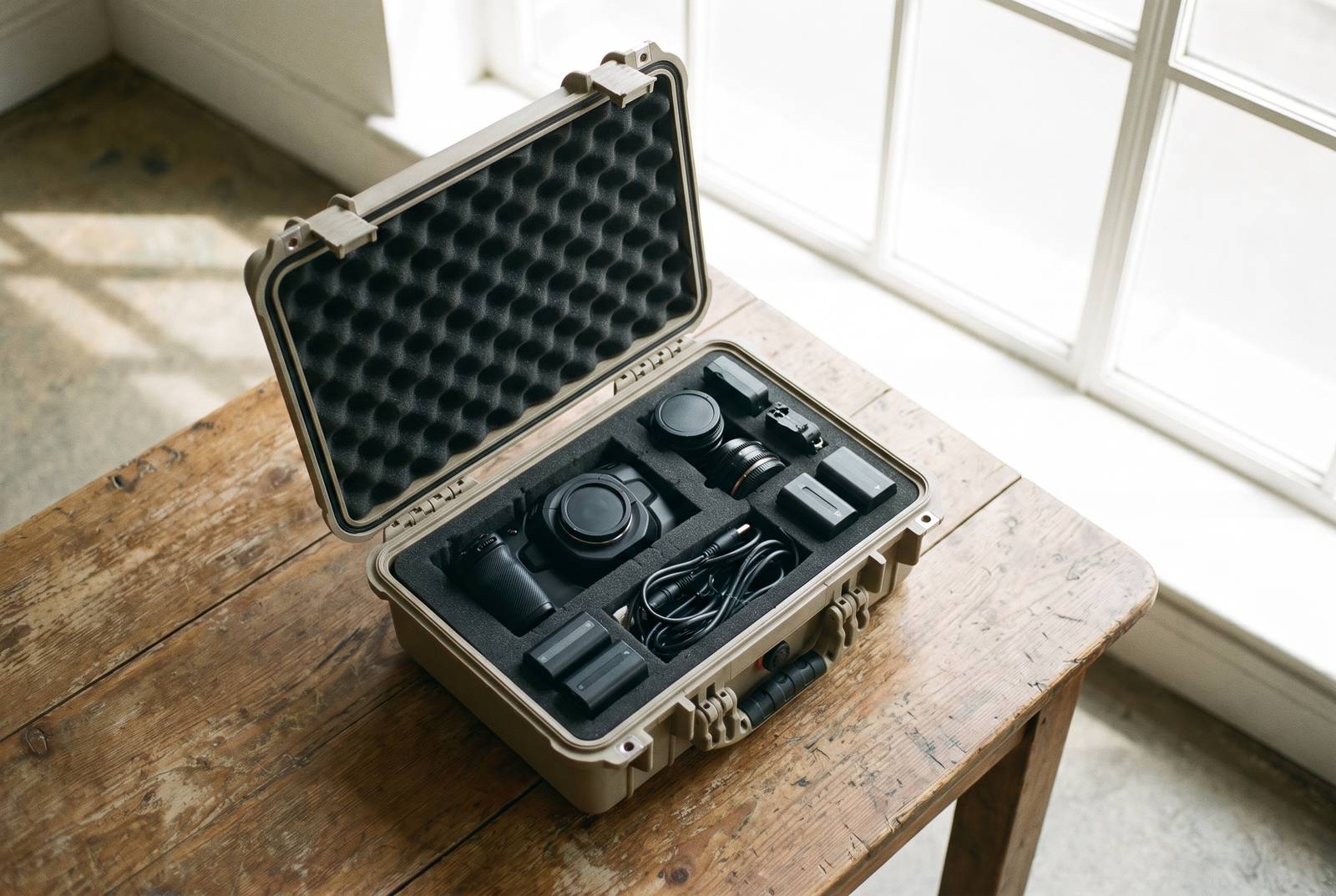 Illustrative image
The short version
On this page6 sections
If you are about to hire a camera in the UK, insurance is usually the first worry. Here is the short answer. On LighRent, the marketplace does not provide insurance. Some owners ask for a refundable deposit. Damage is claimed against that deposit. Lost or unreturned kit goes through a separate claim. Anything beyond that is covered by your own policy, or not at all.
This guide walks through each step in order: what the booking includes, how the deposit works, what happens after you hand the kit back, how damage and loss are treated differently, and what you can do to protect yourself. It is written for people about to book, so the plain answers come first.
Does the rental include insurance?
No. LighRent does not provide insurance on hires. This is set out in the help page on damage and claims. When you hire through LighRent, you are hiring from an owner, and the protection built into the booking is the deposit, where the owner asks for one. It is not a policy.
This is the gap most insurer pages leave out. They sell cover, but they rarely explain how a marketplace deposit sits around it. It helps to think of protection in layers:
- The deposit: shown on the listing, held for the hire, and used to settle damage.
- The claim process: used when kit is lost or not returned, handled by the LighRent Resolutions Team.
- Your own cover: a hired equipment insurance policy you arrange yourself, which can respond to theft, loss and damage that goes beyond the deposit.
So, do you need insurance to hire a camera? LighRent does not sell or include a policy, so the decision sits with you. If you shoot for clients, work on location or travel with kit, holding your own cover is the sensible default. Clients and venues may also expect you to have it, whatever the hire terms say.
If you are comparing options across the city, roundups such as Giggster's guide to film and photo equipment rental companies in London and Wedio's list of the best camera rentals in London show the range of rental houses and marketplaces you can choose from. Their terms differ, so read the insurance and deposit section of each before you book. You can also browse camera hire in London on LighRent to see listings, deposits and pickup areas side by side.
How the deposit works
Not every owner asks for a deposit. Where they do, it is shown on the listing as "Equipment Deposit (Refundable)" before you pay. That means you can see it at the decision stage, not as a surprise at checkout or collection. The LighRent page on how deposits work covers the detail.
The deposit is refundable. It is there so the owner has a way to recover the cost of damage without you both having to argue about it after the job. It is not insurance, and it does not replace insurance. It is a fixed amount tied to that booking.
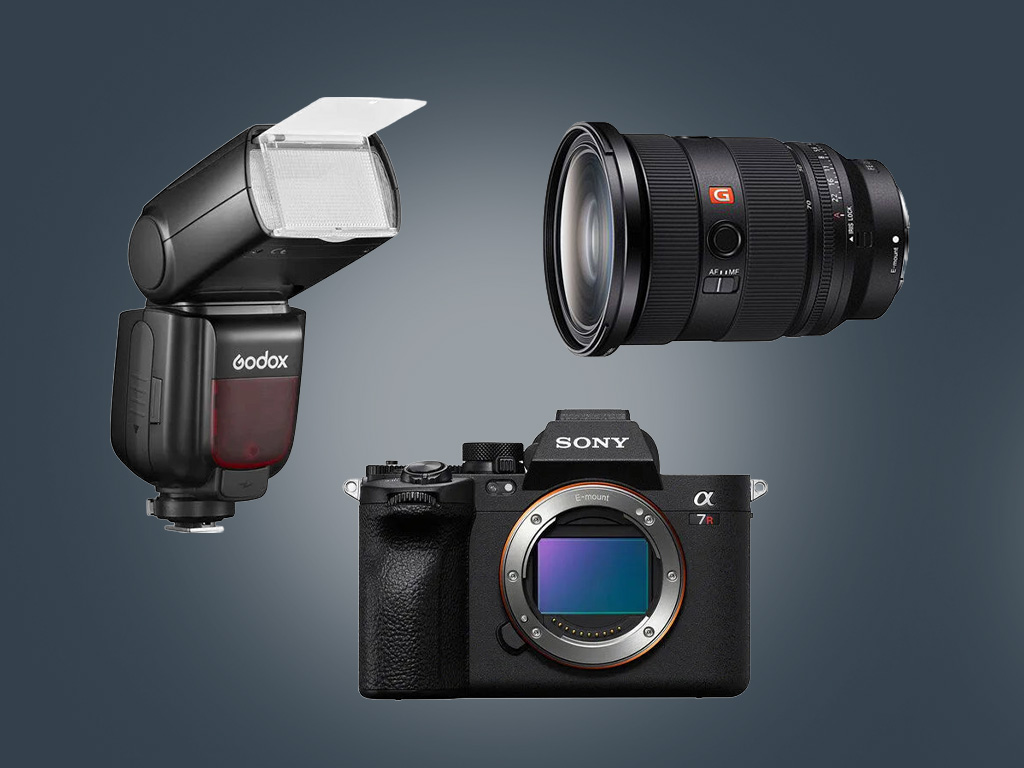
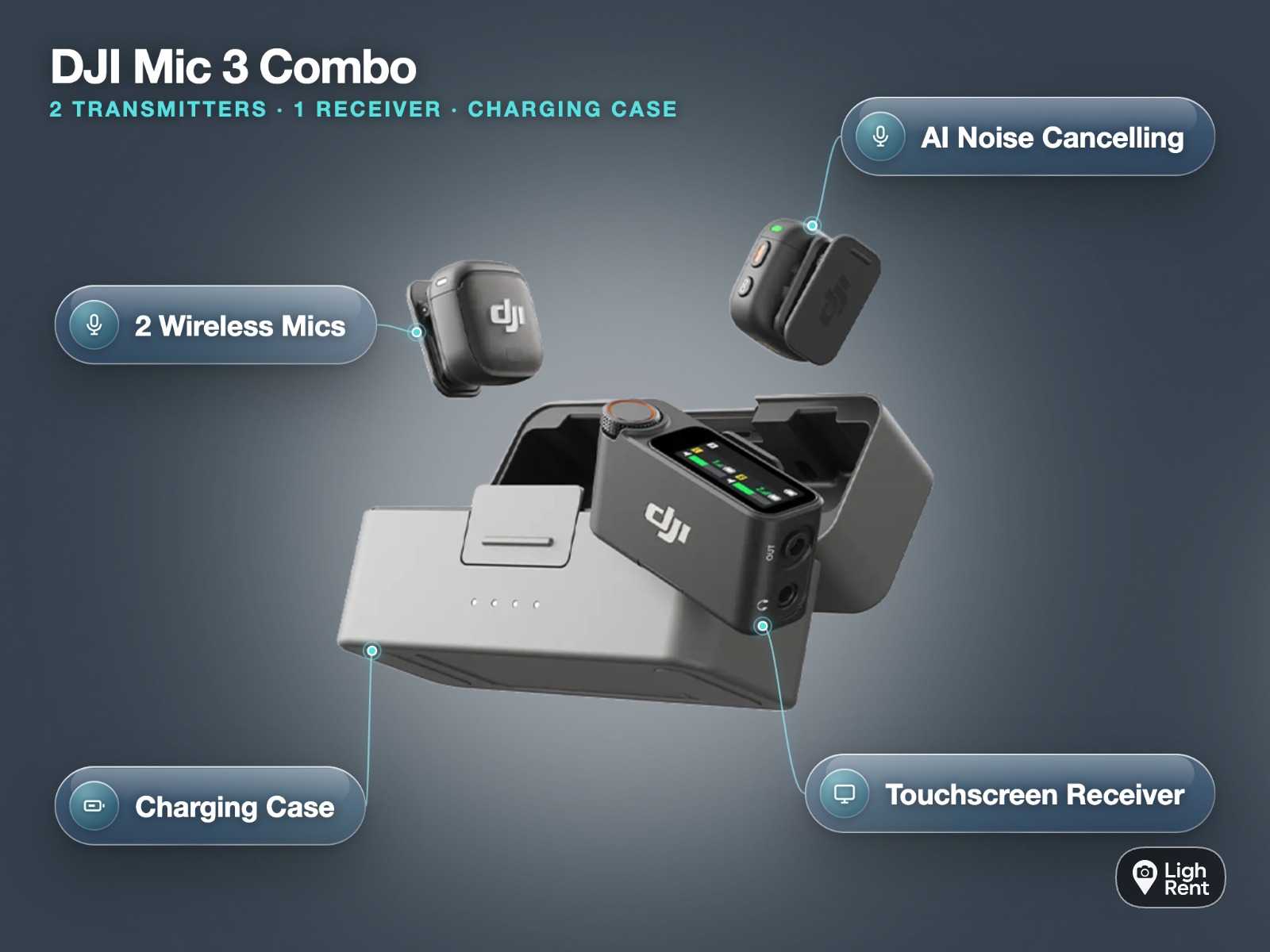
When you are choosing kit, check the deposit line on each listing before you commit. For example, if you are looking at LighRent listings from SwainUK, such as the Sony FX3 with 16-35mm GM and DJI Mic 3 kit, the Sony A7R V with 24-70mm GM II and flash or the DJI Mavic 4 Pro, look for whether a deposit applies and what it is before you pay. Kit with more parts, or kit that flies, carries more ways for something to go wrong, so it is worth reading the listing closely.
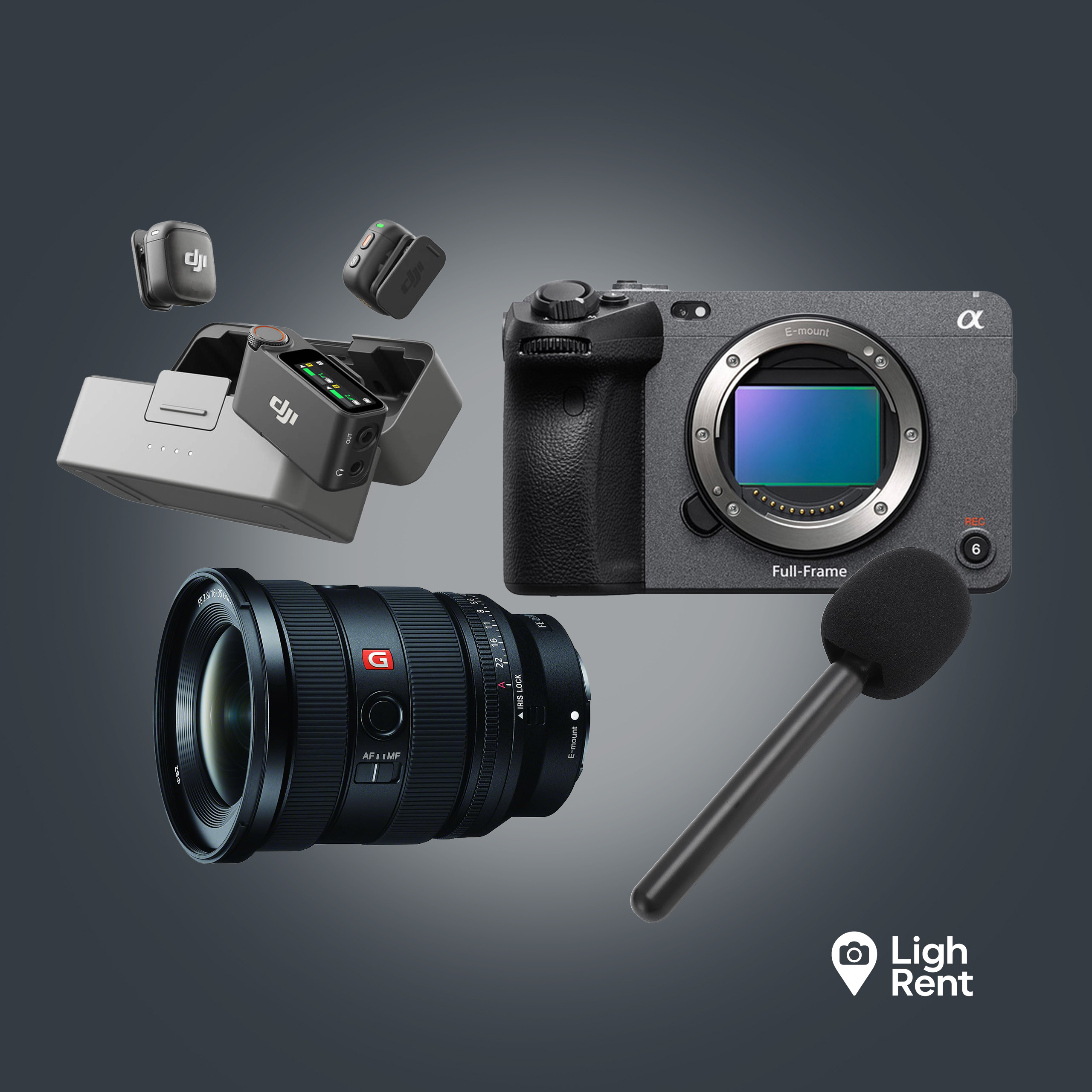
A few practical points about the deposit:
- Budget for it. Treat the deposit as money you will not have access to until the hire is closed.
- Read what is in the kit. A kit listing with a camera, lens and microphones has several items. Damage to any of them can be claimed against the same deposit.
- Ask before you book. If anything about the listing is unclear, message the owner first. It is easier to agree what is included before the handover than after the return.
After the return: the inspection window
This is the part rental houses rarely explain. Once you hand the kit back, the owner has 24 hours to inspect it. Within that time, they either release the deposit or report damage up to the deposit amount.
That window matters for both sides. For you, it means the deposit question is settled quickly rather than left open. For the owner, it means a fair chance to power up the camera, check the sensor, test the lens and look over the accessories before signing off.
You will get a reminder email 3 hours before the kit is due back. Use it as a cue to start packing, not as a cue to start travelling. A rushed return is where cables get left behind, caps go missing and bags get packed badly. The LighRent guide to collecting and returning kit explains the handover steps.
To make the inspection go smoothly:
- Pack it the way you received it. Same case, same slots, lens caps on, batteries in their place.
- Count the small items. Batteries, chargers, cards, microphone windshields, straps and caps are the things most often missed.
- Flag anything honestly. If something happened on the shoot, tell the owner at the handover. A clear conversation is better than a surprise report later.
- Return on time. Late returns make everything harder, including the owner's next booking.
Damage versus loss
Few guides say plainly who handles what. On LighRent, damage and loss follow different routes.
| Situation | How it is handled | What protects you |
|---|---|---|
| Kit comes back damaged | The owner reports damage within the inspection window, claimed against the deposit, up to the deposit amount | Your condition photos from collection, and your own equipment cover |
| Kit is lost | Goes to the LighRent Resolutions Team through a claim form | Your own hired equipment insurance |
| Kit is not returned | Goes to the LighRent Resolutions Team through a claim form | Returning on time, and keeping in contact with the owner |
| Kit comes back as it left | The owner releases the deposit | Good habits at collection and return |
Damage is the simpler case. A scratched lens element, a cracked screen or a broken mount is something the owner can see and assess when the kit comes back. The deposit is the tool for settling it, and the report is capped at the deposit amount.
Loss is different. If kit is stolen, left behind or otherwise never comes back, there is nothing to inspect, and it is not treated as a deposit deduction. It goes to the Resolutions Team through a claim form. This is where your own policy earns its keep, because the deposit is not designed for an item that has gone.
If hired equipment is stolen, tell the owner straight away, report it to the police and keep the reference, then contact your insurer. Most insurers will want that paperwork, and the owner will need to know quickly so they can start the claim.
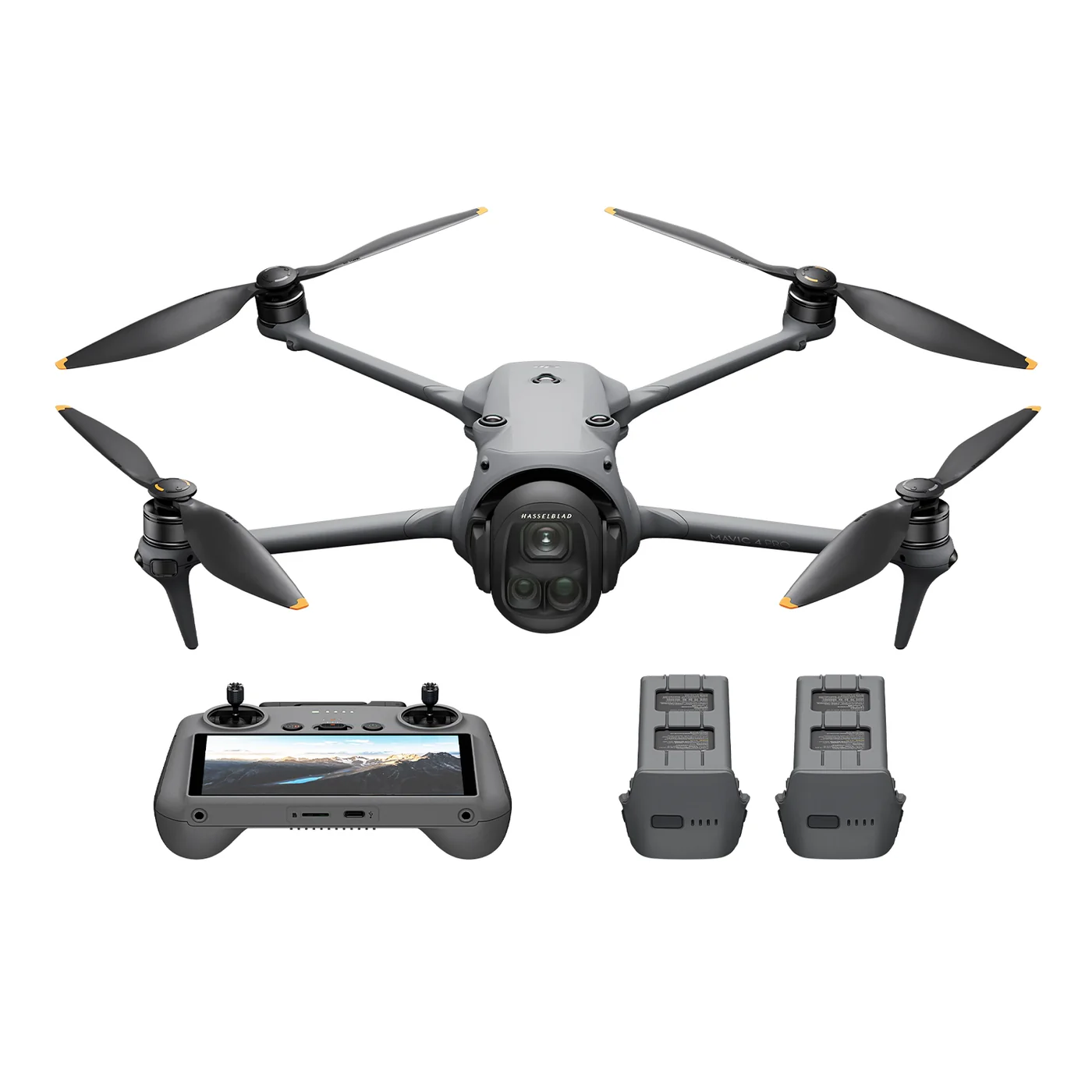
Drones deserve a special mention. A crash can turn into damage or loss depending on whether you recover the aircraft. If you plan to hire a drone, check that your own policy covers aerial use of hired kit before the shoot, not after.
Protect yourself: photos, checks and your own cover
Most disputes come down to one question: what condition was the kit in when it left the owner? You can answer that before you leave the pickup.
At collection
At handover, the owner enters your collection code to start the rental. Before that happens, take a few minutes to check the kit together. You can add condition photos to the booking as evidence, and you should.
- Photograph every item, front and back, including the case.
- Get close on any existing marks, scuffs or worn rubber.
- Shoot the front and rear lens elements against the light.
- Power the camera on and check it records. Check the screen for dead pixels.
- Count batteries, chargers, cards and cables, and photograph them laid out.
- Upload the photos to the booking so they sit with the hire record.
This takes minutes and it changes the conversation if anything is questioned later. If the photos show a mark was there at collection, the owner can see that.
During the hire
- Keep kit with you or locked away. Unattended bags are the easiest target.
- Use the case provided when moving between locations.
- Do not lend hired kit to anyone outside your crew.
- If something breaks, stop, photograph it and tell the owner.
Your own cover
Because LighRent does not provide insurance, your own policy is what sits behind the deposit and the claim process. When you look at equipment hire insurance, read the wording rather than the headline. Things to check:
- Hired-in equipment: does the policy cover kit you have hired, not just kit you own?
- Theft from vehicles: many policies have conditions here. Know them before you leave kit in a car.
- Unattended kit: check what counts as unattended and what is excluded.
- Value limits: make sure the single item limit is high enough for the most expensive piece you hire.
- Drones: check whether aerial use is covered, or needs a separate policy.
- Where you shoot: confirm the policy covers the places you will be working.
If you hire often, an annual policy for hired equipment is usually simpler than arranging cover job by job. If you hire rarely, talk to a broker about short-term options. Either way, sort it before you collect.
The short version
Read the deposit line on the listing before you pay. Photograph everything at collection and add the photos to the booking. Return on time, packed as you found it. Expect the owner to inspect within 24 hours. Know that damage is settled against the deposit, while loss goes to the Resolutions Team. And hold your own cover, because the booking does not include any.
Questions people ask
Do I need insurance to hire a camera in the UK?
LighRent does not provide insurance on hires, so any cover is yours to arrange. Without your own policy, you have nothing to fall back on if kit is stolen or lost. If you shoot for clients or on location, holding hired equipment insurance is the sensible default.
What happens if I damage hired kit?
After you return the kit, the owner has 24 hours to inspect it and can report damage up to the deposit amount. The damage is claimed against the refundable deposit. Condition photos you added to the booking at collection help show what was already there.
When do I get my deposit back?
Once you return the kit, the owner has 24 hours to inspect it. Within that window they either release the deposit or report damage up to the deposit amount. Returning on time and packing the kit as you received it helps the inspection go smoothly.
What if hired equipment is stolen?
Tell the owner straight away, report the theft to the police and keep the reference. Lost or unreturned kit is not handled as a deposit deduction; it goes to the LighRent Resolutions Team through a claim form. Contact your own insurer too, as this is the situation your policy is there for.
Should I take photos of kit at collection?
Yes. You can add condition photos to the booking as evidence, and they are your best record of what the kit looked like when it left the owner. Photograph every item, close up on existing marks, and upload them before the rental starts.