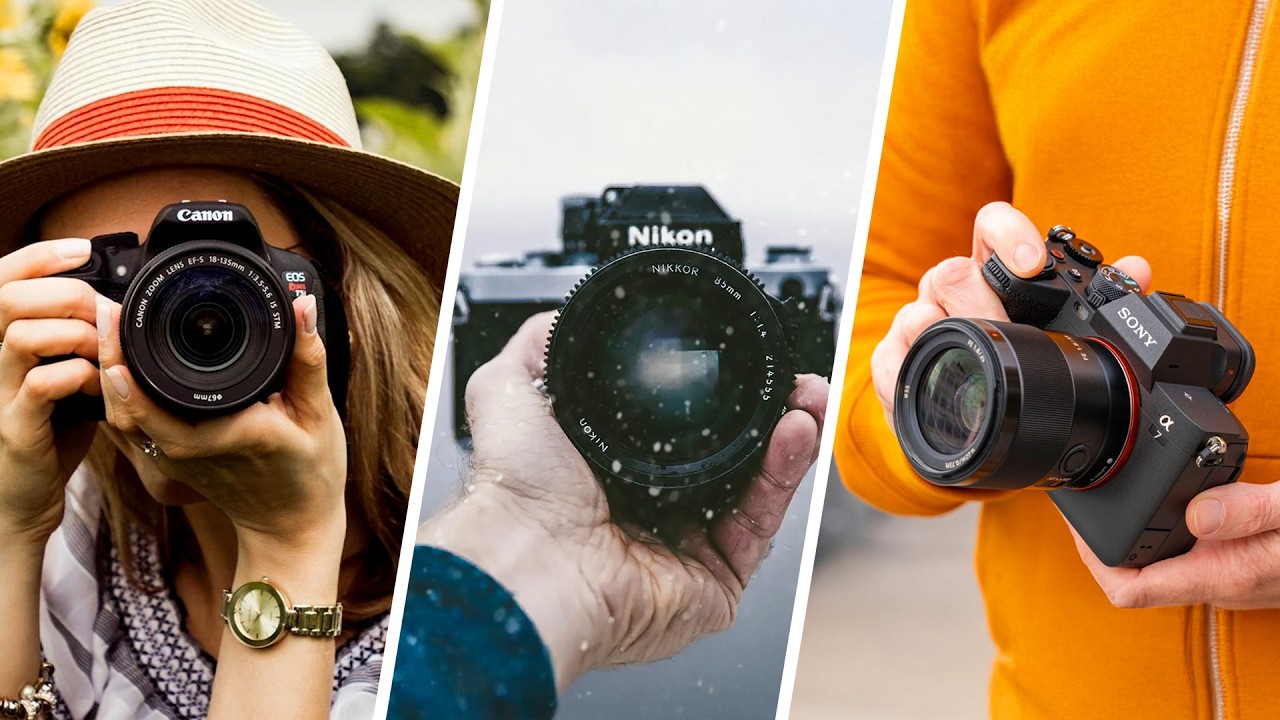
TL;DR
- Sony dominates 2026 with superior mirrorless tech and comprehensive ecosystem
- Canon excels in user-friendly ergonomics and extensive lens compatibility
- Nikon offers exceptional dynamic range and weather sealing for outdoor work
- Fujifilm leads in colour science and compact professional systems
- Test before you buy - rent cameras on LighRent to find your perfect match
Choosing the best camera brand in 2026 has become increasingly complex as manufacturers push technological boundaries at breakneck speed. Whether you're a seasoned cinematographer, content creator, or ambitious photographer, selecting the right camera system can make or break your creative projects. The eternal debate between Sony, Canon, Nikon, and Fujifilm has evolved beyond simple brand loyalty to encompass specific use cases, workflow requirements, and budget considerations.
The landscape has shifted dramatically since 2024, with each manufacturer carving distinct niches while maintaining competitive advantages. Rather than declaring a single "winner," understanding which brand excels in your specific discipline proves far more valuable. Fortunately, platforms like LighRent allow you to test these systems firsthand before committing to a purchase, making informed decisions easier than ever.
Sony: The Mirrorless Pioneer Leading Innovation
Sony's dominance in the mirrorless camera market continues unabated in 2026, cementing their position as the go-to choice for professional videographers and hybrid shooters. Their Alpha series has evolved into a comprehensive ecosystem that addresses virtually every creative need, from compact travel cameras to cinema-grade recording machines.
Technical Advantages That Set Sony Apart
The Sony A7R V + Sony FE 24-70mm F 2.8GM - 8K Power Setup exemplifies Sony's technical prowess. With 8K recording capabilities, exceptional low-light performance, and industry-leading autofocus tracking, Sony cameras deliver consistent results across challenging shooting conditions. Their Real-time Eye AF technology has been refined to work seamlessly with humans, animals, and even birds, making them invaluable for wildlife and portrait photographers.
Sony's sensor technology remains unmatched, particularly in full-frame mirrorless bodies. Their latest BSI-CMOS sensors deliver remarkable dynamic range while maintaining clean high-ISO performance up to 25,600 and beyond. This technical superiority translates directly into more usable footage and fewer compromises during post-production.
The Sony Ecosystem Advantage
What truly distinguishes Sony is their comprehensive system approach. The Sony Rental on LighRent collection demonstrates the breadth of their offerings, from compact FX3 cinema cameras to powerful A7S III bodies optimised for low-light video work. Their E-mount lens system has matured considerably, offering everything from affordable kit lenses to professional G Master glass that rivals traditional DSLR optics.
Sony's commitment to video features sets them apart from traditional camera manufacturers. Internal 10-bit 4:2:2 recording, extensive codec options, and professional monitoring tools come standard across their higher-end bodies. These features, previously reserved for dedicated cinema cameras, make Sony an obvious choice for content creators transitioning from photography to video work.
| Sony Model | Key Strength | Ideal Use Case | Rental Price Range |
|---|---|---|---|
| A7R V | 61MP resolution + 8K video | Commercial photography | AED 210-65/day |
| A7S III | Exceptional low-light | Event videography | AED 180-60/day |
| FX3 | Cinema-focused design | Documentary filmmaking | AED 250-75/day |
| A7 IV | Balanced hybrid performance | General content creation | AED 160-50/day |
Canon: Traditional Excellence Meets Modern Innovation
Canon's transformation from DSLR dominance to mirrorless leadership showcases their ability to adapt while maintaining the ergonomic excellence and colour science that built their reputation. The Canon ecosystem in 2026 represents a perfect blend of familiar operation and cutting-edge technology, making it particularly appealing to photographers transitioning from DSLR systems.
Ergonomics and User Experience
Canon's greatest strength lies in their intuitive user interface and physical design philosophy. Their cameras feel natural in hand, with controls positioned exactly where experienced photographers expect them. The Canon Rental on LighRent selection highlights this advantage, particularly in their R5 and R6 Mark II bodies that prioritise user-friendly operation without sacrificing professional features.
Canon's Dual Pixel CMOS AF system provides smooth, cinema-quality focus transitions that make their cameras exceptional for video work. Unlike some competitors that exhibit hunting or erratic focus behaviour, Canon's autofocus feels natural and predictable, particularly important for live streaming and documentary work where manual focus pulling isn't practical.
Lens Ecosystem and Compatibility
Canon's RF lens mount has matured rapidly, offering exceptional optical quality across all focal lengths. Their commitment to backwards compatibility through EF adapters means decades of Canon glass remain fully functional, protecting existing investments while providing access to modern mirrorless benefits. This compatibility advantage proves particularly valuable for rental scenarios where mixed lens setups are common.
"Canon's colour science remains unmatched for skin tones and natural colour reproduction. While Sony excels technically, Canon images often require less colour grading to achieve pleasing results straight from camera." - Professional colourist, Park Pictures Dubai
The Canon ecosystem excels in professional photography environments where reliability and consistent results matter more than absolute technical specifications. Their cameras deliver predictable, beautiful images with minimal post-processing, making them ideal for event photography, portraiture, and commercial work where turnaround times are critical.
Nikon: Engineering Excellence for Serious Photographers
Nikon's approach to mirrorless cameras emphasises traditional photography values while embracing modern technology. Their Z-mount system has evolved into a formidable platform that appeals particularly to landscape, portrait, and documentary photographers who prioritise image quality and build construction over video-centric features.
Dynamic Range and Image Quality Leadership
Nikon's sensors consistently deliver class-leading dynamic range, particularly in their full-frame Z bodies. The ability to recover extreme highlight and shadow detail gives Nikon cameras significant advantages in challenging lighting conditions. This technical excellence makes them particularly valuable for architectural photography, landscape work, and any situation where post-processing flexibility matters.
The Nikon Rental on LighRent collection showcases their commitment to build quality and weather sealing. Nikon cameras routinely withstand harsh environmental conditions that would challenge other manufacturers, making them reliable choices for outdoor and travel photography where equipment failure isn't acceptable.
Professional Features and Workflow Integration
Nikon's professional cameras include features that matter to working photographers: dual memory card slots, exceptional battery life, and robust connectivity options. Their cameras integrate seamlessly with professional workflows, including tethered shooting capabilities and wireless transmission features that rival dedicated studio equipment.
The Nikon Z lens ecosystem, while smaller than Canon or Sony offerings, focuses on optical excellence over quantity. Their S-line lenses deliver sharpness and colour rendition that justifies their premium pricing, particularly for photographers who prioritise absolute image quality over convenience features.
Fujifilm: Colour Science and Compact Excellence
Fujifilm occupies a unique position in 2026, combining their legendary film heritage with modern digital technology. Their X and GFX systems cater to photographers who value distinctive colour reproduction, compact form factors, and traditional photographic controls over pure technical specifications.
Film Simulation and Colour Excellence
Fujifilm's film simulation modes represent more than marketing gimmicks - they're sophisticated colour science implementations that deliver distinctive looks straight from camera. These simulations, based on decades of film development experience, provide creative starting points that would require extensive post-processing with other systems.
The Fujifilm ecosystem excels in situations where distinctive visual character matters more than absolute technical performance. Street photographers, documentary creators, and artistic projects often benefit from Fujifilm's unique aesthetic approach, which delivers compelling images without extensive colour grading.
Medium Format Accessibility
Fujifilm's GFX system democratises medium format photography, offering exceptional image quality in relatively compact bodies. While not directly comparable to full-frame competitors, the GFX series provides resolution and tonal qualities that justify their premium positioning for commercial and fine art applications.
The X-series APS-C cameras deliver professional results in remarkably compact packages. For content creators who prioritise portability without sacrificing image quality, Fujifilm cameras offer compelling alternatives to larger full-frame systems.
Making the Right Choice: Use Case Analysis
Selecting the optimal camera brand depends entirely on your specific requirements, shooting style, and workflow preferences. Rather than pursuing theoretical superiority, focus on practical advantages that impact your actual work.
Content Creation and Hybrid Shooting
Sony dominates hybrid photography/videography scenarios where technical performance and video features matter most. Their cameras deliver consistent results across diverse shooting conditions while offering professional video capabilities that rival dedicated cinema cameras. The comprehensive Cameras for Hire selection on LighRent allows you to test Sony systems before committing to purchases.
Traditional Photography Excellence
Canon and Nikon excel in pure photography applications where ergonomics, reliability, and image quality take precedence over video features. Canon's colour science and user-friendly operation appeal to portrait and event photographers, while Nikon's dynamic range and build quality suit landscape and documentary work.
Creative and Artistic Projects
Fujifilm cameras provide distinctive visual character that suits creative projects requiring unique aesthetic approaches. Their film simulations and compact form factors appeal to photographers who value artistic expression over technical specifications.
| Use Case | Best Brand Choice | Key Advantages | Recommended Model |
|---|---|---|---|
| Content Creation | Sony | Video features, low-light | A7S III / A7 IV |
| Event Photography | Canon | Ergonomics, colour science | R5 / R6 Mark II |
| Landscape Photography | Nikon | Dynamic range, build quality | Z7 II / Z9 |
| Street Photography | Fujifilm | Compact size, film sims | X-T5 / X-H2 |