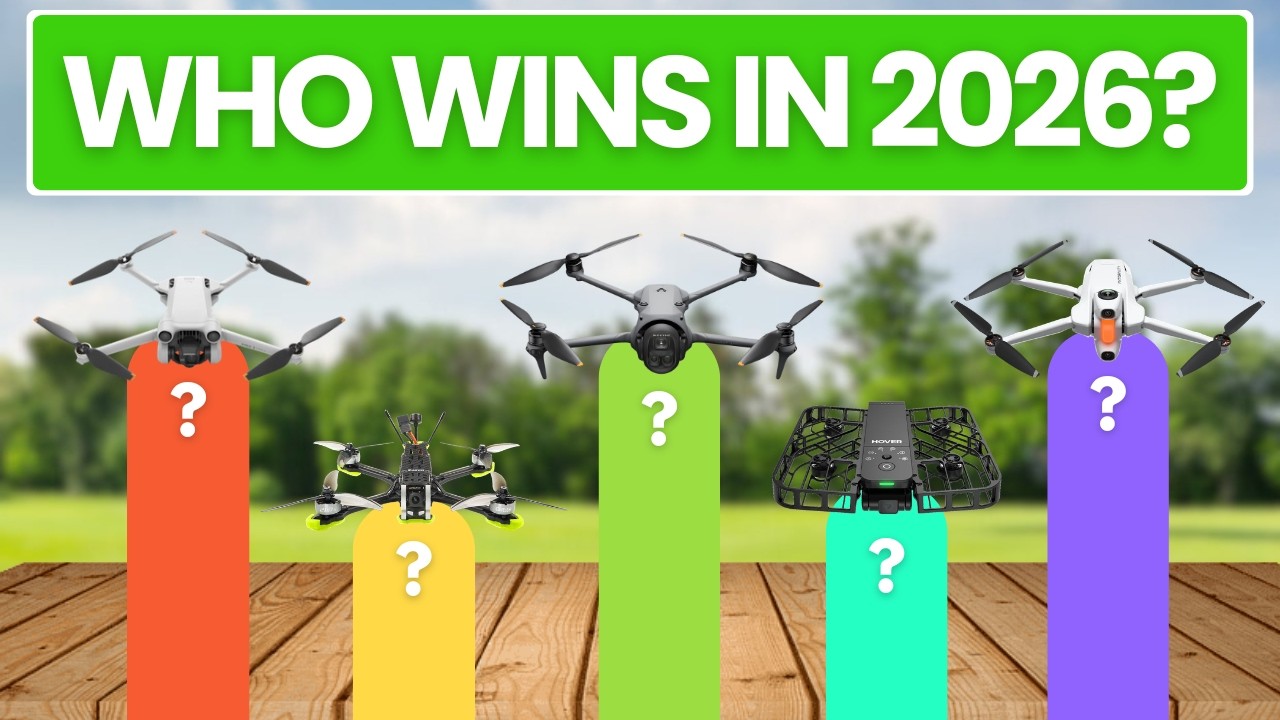
TL;DR
- DJI Mini 4 Pro leads compact cinematic drones in 2026 with 4K/60fps recording and advanced obstacle avoidance
- Autel EVO Lite+ offers exceptional battery life (40+ minutes) and 1-inch sensor quality at competitive rental rates
- Renting costs AED 140-80/day versus AED 3,700-2000+ to purchase, making it ideal for occasional filmmakers
- All featured drones weigh under 249g, avoiding CAA registration requirements in the UAE
- Browse professional drones for hire on LighRent to test before committing to purchase
The compact cinematic drone market has exploded in 2026, with manufacturers delivering Hollywood-quality footage in sub-249g packages that won't break the bank or your back. Whether you're a wedding videographer seeking buttery-smooth tracking shots or a documentary filmmaker capturing sweeping landscapes, today's best compact cinematic drones deliver professional results without the complexity of larger rigs.
For UAE filmmakers, the decision between renting and buying has never been more relevant. With LighRent's peer-to-peer marketplace connecting you with drone owners across the country, you can access cutting-edge equipment for a fraction of the purchase price whilst testing different models for your specific needs.
This comprehensive guide examines the five most capable compact cinematic drones available for rent in 2026, comparing their strengths, rental costs, and real-world performance to help you make an informed decision for your next project.
What Makes a Drone "Cinematic" in 2026?
The term "cinematic" gets thrown around liberally in drone marketing, but genuine cinematic capabilities require specific technical benchmarks that separate amateur toys from professional tools. Understanding these criteria helps filmmakers identify equipment that will deliver broadcast-quality results.
Essential Cinematic Features
True cinematic drones must capture footage at 4K resolution with frame rates extending to 60fps minimum, ensuring smooth slow-motion capabilities essential for dramatic sequences. Colour science plays an equally crucial role, with 10-bit recording and professional colour profiles like D-Log enabling extensive post-production flexibility.
Gimbal stabilisation technology has reached remarkable sophistication, with three-axis mechanical gimbals now standard across quality compact models. The difference between electronic and mechanical stabilisation becomes apparent in challenging conditions, where mechanical systems maintain smooth footage even in gusty winds.
Size and Weight Considerations
The 249-gram threshold remains crucial for UAE filmmakers, as drones exceeding this weight require CAA registration and additional operational restrictions. Modern compact cinematic drones achieve remarkable performance whilst staying comfortably under this limit, typically weighing between 200-248 grams.
Folding designs maximise portability without compromising structural integrity, with carbon fibre construction providing strength whilst maintaining minimal weight. When browsing drones for hire on LighRent, you'll notice how modern compact models pack professional features into incredibly portable packages.
"The democratisation of cinematic drone technology means independent filmmakers now have access to the same aerial capabilities that cost tens of thousands just five years ago. The key is understanding which features truly matter for your specific storytelling needs." - James Mitchell, Aerial Cinematographer
Top 5 Compact Cinematic Drones for 2026
1. DJI Mini 4 Pro - The All-Round Champion
DJI's Mini 4 Pro continues dominating the compact cinematic space with its exceptional balance of features, reliability, and image quality. The 1/1.3-inch CMOS sensor captures stunning 4K footage at up to 60fps, whilst the three-axis mechanical gimbal ensures Hollywood-smooth stabilisation even in challenging conditions.
The drone's obstacle avoidance system represents a significant leap forward, utilising omnidirectional sensors to navigate complex environments safely. For filmmakers working in tight spaces or around obstacles, this technology provides confidence to focus on creative composition rather than collision avoidance.
Battery life extends to 34 minutes under optimal conditions, though real-world filming typically yields 25-28 minutes depending on flight patterns and environmental factors. The included DJI RC 2 controller features a bright built-in screen, eliminating the need for additional mobile devices.
2. Autel EVO Lite+ - The Battery Life King
Autel's EVO Lite+ addresses one of the most common frustrations in drone cinematography: insufficient flight time. With an impressive 40+ minute battery life, this drone provides extended shooting sessions that reduce the constant pressure of battery management during critical filming moments.
The 1-inch sensor delivers exceptional low-light performance, making it ideal for golden hour and dawn shoots where competing drones struggle. Autel's colour science produces naturalistic footage that requires minimal correction in post-production, streamlining workflow for time-pressed filmmakers.
The drone's tracking algorithms excel at following subjects through complex movements, with refined Active Track modes that maintain consistent framing even when subjects move unpredictably. Professional filmmakers particularly appreciate the manual camera controls accessible through the dedicated app interface.
3. Skydio 2+ - The Autonomous Filmmaker
Skydio's approach to cinematic drones emphasises autonomous operation and obstacle avoidance, making it exceptionally valuable for solo filmmakers who need to operate both in front of and behind the camera. The six 4K cameras create a comprehensive 3D map of the environment, enabling unprecedented autonomous navigation capabilities.
Whilst the image quality doesn't quite match DJI's latest offerings, the Skydio 2+ compensates with unmatched tracking reliability and creative autonomous flight modes. The drone can execute complex cinematic movements like dolly pushes and orbit shots with minimal pilot input, freeing filmmakers to focus on performance and directing.
The modular design allows for easy field repairs and component upgrades, which proves valuable for rental operators who need to maintain equipment across multiple users. Battery life reaches 27 minutes, adequate for most shooting scenarios.
4. Parrot ANAFI Ai - The French Alternative
Parrot's ANAFI Ai brings European engineering sensibilities to compact drone design, emphasising build quality, weather resistance, and user-friendly operation. The drone's unique tilting gimbal provides 180-degree vertical movement, enabling shots impossible with traditional fixed gimbals.
The 48-megapixel sensor captures detailed 4K footage with excellent dynamic range, particularly excelling in high-contrast lighting situations. Parrot's FreeFlight 7 app offers intuitive controls and comprehensive flight planning tools that streamline complex shots.
Wind resistance surpasses many competitors, with stable flight maintained in conditions up to 16 m/s (35 mph). For UAE filmmakers dealing with unpredictable coastal weather, this resilience proves invaluable for completing shots when other drones would require grounding.
5. Hubsan ZINO Mini Pro - The Budget Professional
Hubsan's ZINO Mini Pro delivers surprisingly professional results at entry-level pricing, making it an attractive option for filmmakers testing the waters of aerial cinematography. Despite its affordable positioning, the drone includes genuine 4K recording, three-axis stabilisation, and comprehensive automated flight modes.
The included controller features an integrated 2.4-inch screen, reducing setup time and eliminating smartphone dependency during shoots. Flight time reaches 30 minutes with the standard battery, extending to 40+ minutes with optional high-capacity units.
Whilst the overall build quality doesn't match premium competitors, the ZINO Mini Pro provides excellent value for filmmakers prioritising budget efficiency over ultimate performance. When available through LighRent's equipment marketplace, it represents an excellent entry point for exploring aerial cinematography.
Rental vs Purchase: Making the Financial Case
The decision between renting and purchasing compact cinematic drones involves multiple financial and practical considerations that extend beyond simple upfront costs. Understanding the total cost of ownership helps filmmakers make informed decisions aligned with their usage patterns and business models.
Purchase Costs and Hidden Expenses
| Drone Model | Purchase Price (UAE) | Daily Rental Cost | Break-Even Days | Annual Insurance |
|---|---|---|---|---|
| DJI Mini 4 Pro | AED 3,500 | AED 210-65 | 12-17 days | AED 830-250 |
| Autel EVO Lite+ | AED 4,150 | AED 250-75 | 12-16 days | AED 920-280 |
| Skydio 2+ | AED 6,000 | AED 300-85 | 15-20 days | AED 1,150-350 |
| Parrot ANAFI Ai | AED 3,900 | AED 230-70 | 12-17 days | AED 870-270 |
| Hubsan ZINO Mini Pro | AED 2,050 | AED 140-45 | 10-15 days | AED 550-180 |
Purchase costs represent only the initial investment, with ongoing expenses including insurance, maintenance, battery replacements, and firmware updates consuming additional budget. Professional insurance typically costs 20-30% of the drone's value annually, whilst battery degradation requires replacement every 12-18 months depending on usage intensity.
Rental Advantages for Modern Filmmakers
Renting through platforms like LighRent provides access to the latest technology without long-term commitments, allowing filmmakers to match equipment to specific project requirements. A wedding videographer might rent a Mini 4 Pro for its reliability and automated modes, whilst switching to an EVO Lite+ for longer documentary shoots requiring extended flight times.
The financial flexibility proves particularly valuable for seasonal businesses or project-based filmmakers who need equipment sporadically. Rather than maintaining expensive gear during quiet periods, rental allows precise cost allocation to specific projects whilst maintaining cash flow for other business investments.
Insurance coverage through rental platforms typically includes comprehensive protection against accidents, theft, and technical failures, removing liability concerns that independent ownership would require managing separately. This peace of mind proves invaluable when working with expensive equipment in challenging environments.
Technical Specifications That Matter
Beyond marketing specifications, certain technical features directly impact cinematic quality and operational efficiency. Understanding these critical parameters helps filmmakers identify equipment that will deliver professional results for their specific applications.
Camera and Sensor Technology
Sensor size directly correlates with image quality, dynamic range, and low-light performance. The progression from 1/2.3-inch sensors in entry models to 1-inch sensors in premium drones represents a significant quality leap, particularly evident in challenging lighting conditions common to cinematic work.
Colour depth and recording formats separate amateur from professional capabilities. True cinematic work demands 10-bit recording and logarithmic colour profiles that preserve maximum information for colour grading. Compressed 8-bit formats, whilst adequate for social media, lack the flexibility required for serious post-production work.
Flight Performance and Stability
Maximum flight speed becomes less important than controlled, repeatable movements in cinematic applications. Professional drones excel at smooth acceleration and deceleration, maintaining