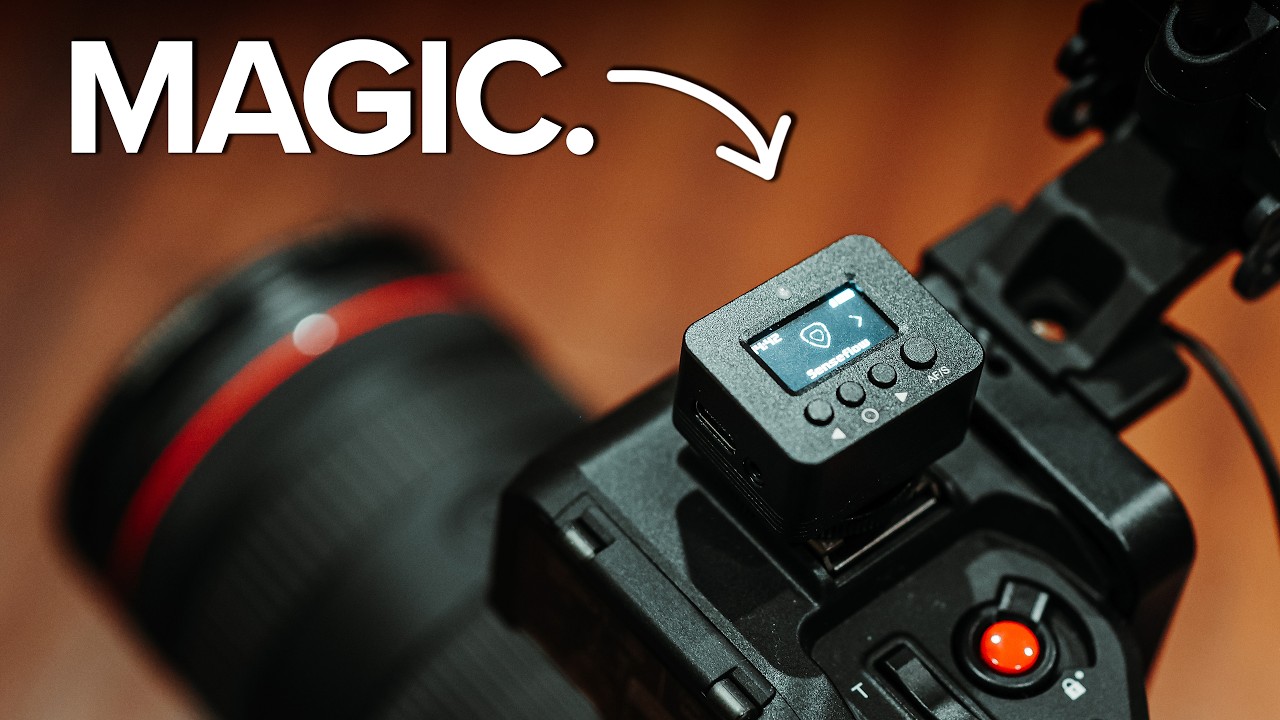
TL;DR
- Camera sliders and pocket dollies deliver cinematic motion without the complexity and weight of traditional gimbals
- Modern motorised sliders like the Edelkrone SliderONE provide precise, repeatable moves for under AED 1,850 rental cost
- Pocket dollies excel for tabletop and macro work where gimbals struggle with precision
- Combining slider movement with static shots creates more dynamic storytelling than gimbal footage alone
- Rental costs for premium sliders start from just AED 70/day, making them accessible for any production
Quick access: Cameras for Hire on LighRent
Every filmmaker has been there: lugging a heavy gimbal around set, fighting with balance adjustments, and watching battery levels drop faster than your enthusiasm. But what if we told you there's a little device that can deliver smoother, more cinematic results whilst weighing less than your morning coffee? Camera sliders and pocket dollies are revolutionising how independent filmmakers approach movement, offering precision that even the most expensive gimbals struggle to match.
The traditional approach to camera movement has long favoured handheld gimbals, but seasoned cinematographers are increasingly turning to motorised sliders for their reliability and repeatability. When you need that perfect product reveal shot or a seamless interview transition, a well-executed slider move trumps shaky gimbal footage every time. This shift is particularly relevant for UAE filmmakers working on tighter budgets, where LighRent has made professional slider equipment accessible through peer-to-peer rental at fraction of purchase costs.
The beauty of sliders lies not just in their mechanical precision, but in their versatility across different production scales. From tabletop macro work to sweeping landscape reveals, these compact devices deliver results that would require multiple gimbal operators and extensive post-production stabilisation to achieve.
Why Sliders Outperform Gimbals in Key Scenarios
The fundamental advantage of camera sliders over gimbals comes down to physics and control. Whilst gimbals rely on complex algorithms and motors to counteract unwanted movement, sliders provide inherently stable motion along a predetermined path. This mechanical advantage translates into smoother footage, especially for slower, more deliberate camera moves that define professional cinematography.
Precision and Repeatability
Professional productions demand consistent results, and this is where sliders excel beyond any gimbal's capabilities. Modern motorised sliders like the Edelkrone SliderONE or Rhino Arc II can repeat identical moves with millimetre precision, essential for product photography, time-lapse sequences, and multi-take interviews. When working with Cameras for Hire on LighRent, this repeatability ensures you maximise your rental period by nailing shots efficiently rather than attempting multiple gimbal takes.
The mathematical precision of sliders also enables advanced techniques like focus pulling during movement, where the exact distance relationships between camera, subject, and focus points remain consistent across multiple takes. Try achieving this level of precision with a handheld gimbal - the variables introduced by human operation make it nearly impossible.
Power Efficiency and Reliability
Battery anxiety is real on set, and gimbals are notorious power vampires. A typical gimbal setup might provide 2-4 hours of active use, whilst a quality motorised slider can operate for 8-12 hours on a single charge. For day-long shoots, this difference eliminates the need for constant battery swaps and reduces the risk of losing critical shots to power failure.
Moreover, sliders have fewer failure points. Gimbals require precise calibration, can be affected by temperature changes, and struggle with certain lens combinations. Sliders, by contrast, are mechanically straightforward - if the rails are level and the motor is powered, you'll get your shot. This reliability factor is particularly valuable when renting equipment, as you're less likely to encounter compatibility issues or require extensive setup time.
| Feature | Camera Slider | Gimbal |
|---|---|---|
| Battery Life | 8-12 hours | 2-4 hours |
| Setup Time | 2-5 minutes | 5-15 minutes |
| Weight (typical) | 1-3kg | 1.5-4kg |
| Repeatability | Millimetre precision | Variable |
| Weather Resistance | High | Moderate |
| Learning Curve | Low | Moderate-High |
The Rise of Pocket Dollies and Compact Sliders
The latest generation of camera movement devices has embraced portability without sacrificing performance. Pocket dollies, measuring no larger than a smartphone but capable of supporting full-frame camera setups, represent the pinnacle of this miniaturisation trend. These devices prove that effective camera movement isn't about size or complexity - it's about understanding motion and applying it strategically.
Tabletop and Macro Applications
For product videography, food photography, and macro work, pocket dollies deliver movements that would be impossible with traditional gimbals. The Cinetics CineSkates, for instance, allows for smooth curved motions across any flat surface, perfect for those satisfying product reveal shots that drive engagement on social media. When combined with the right lens selection from Browse All Equipment on LighRent, these small devices can create cinema-quality footage in the smallest spaces.
The precision required for macro work - where even millimetre movements are magnified dramatically - makes pocket dollies indispensable. Unlike gimbals, which can introduce unwanted micro-vibrations, these mechanical solutions provide the rock-steady platform essential for extreme close-up work. This stability is particularly crucial when working with rented equipment, where you need to maximise the quality of every shot within your rental window.
Creative Movement Patterns
Beyond straight-line movements, modern compact sliders enable creative motion patterns that gimbals simply cannot replicate. Curved sliders create natural-feeling arcs that follow human eye movement, whilst multi-axis systems combine slide and pan movements for complex reveals. The Edelkrone SliderONE v2, available through various rental partners, demonstrates how compact design doesn't limit creative possibilities - if anything, it enhances them by reducing setup complexity.
"The best camera movement is the one your audience doesn't notice. Sliders give you that invisible smoothness that gimbals often struggle to achieve, especially for the slower, more deliberate moves that define professional cinematography." - Sarah Chen, Cinematographer and LighRent Partner
Cost Analysis: Renting vs Buying for UAE Filmmakers
The financial mathematics of camera movement equipment heavily favours rental, particularly for independent filmmakers and small production companies. High-end motorised sliders can cost AED 9,200-AED 36,800 new, whilst rental rates through peer-to-peer platforms start from just AED 70 per day. This 100:1 cost ratio means you'd need to use owned equipment for over three months annually to justify purchase - an unlikely scenario for most creators.
Breaking Down Rental Economics
Consider the Rhino Arc II, a premium curved slider system retailing for approximately AED 20,700. Through LighRent's platform, similar equipment typically rents for AED 210-65 per day, depending on location and demand. For a typical corporate video requiring two shoot days, the rental cost represents just 2.5% of the purchase price. This economic efficiency allows filmmakers to allocate budget towards other crucial elements like lighting or additional camera bodies.
The rental model also provides access to the latest technology without depreciation concerns. Camera movement devices, like all technology, evolve rapidly. Today's cutting-edge slider may be superseded by a smaller, more capable version within 18 months. Rental ensures you're always working with current technology, whilst ownership locks you into potentially outdated equipment.
Insurance and Maintenance Considerations
Professional equipment rental through platforms like LighRent typically includes insurance coverage, removing the financial risk associated with expensive gear. When you own a AED 13,800 slider, you're responsible for repairs, calibration, and replacement costs. Rental transfers this risk to the equipment owner, who's typically better equipped to handle maintenance and repairs through established service networks.
This insurance aspect is particularly relevant for camera movement equipment, which faces higher wear rates than static gear. Sliders have moving parts, motors, and electronic components that require periodic maintenance. Rental eliminates these ongoing costs whilst ensuring you always receive properly maintained equipment.
Technical Specifications That Matter
Not all sliders are created equal, and understanding key specifications helps you choose the right equipment for your project. When browsing rental options, focus on payload capacity, travel distance, speed control, and connectivity options rather than being swayed by flashy features you'll rarely use.
Payload and Stability Considerations
The most critical specification for any camera slider is payload capacity, which should exceed your camera setup weight by at least 50% for optimal stability. A typical mirrorless camera with lens might weigh 1.5kg, requiring a slider rated for at least 2.5kg payload. However, this safety margin becomes even more important when working with rented equipment, as you want to avoid any risk of damage or poor performance due to overloading.
Modern sliders like the Edelkrone SliderONE Pro can handle payloads up to 7.5kg whilst weighing just 1.8kg themselves - an impressive strength-to-weight ratio that makes them ideal for location work. This specification becomes crucial when planning complex setups involving multiple cameras or heavy telephoto lenses.
Speed Control and Programming Features
Professional sliders offer variable speed control, typically ranging from glacial time-lapse movements to relatively quick reveals. The ability to program specific movements, including acceleration and deceleration curves, separates professional tools from consumer alternatives. These features enable the subtle speed variations that make camera movement feel natural and organic rather than mechanical.
Connectivity options have become increasingly important, with many modern sliders offering smartphone app control, wireless triggering, and integration with other motorised equipment. The Rhino Arc series, for example, can synchronise with pan/tilt heads and focus pulling systems, enabling complex multi-axis movements from a single controller. When selecting rental equipment, prioritise these connectivity features if your project demands sophisticated movement sequences.
Industry Applications and Success Stories
Camera sliders have found applications across diverse industry sectors, each leveraging the unique advantages these devices provide over traditional camera support systems. From automotive advertising to food photography, the precision and reliability of slider-based movement has become indispensable for professional content creation.
Commercial and Advertising Applications
The automotive industry has embraced slider technology for vehicle reveals and detail shots that require millimetre precision. Unlike gimbal operators, who might struggle to maintain consistent framing whilst walking around a car, motorised sliders deliver identical movements for multiple takes, essential when matching shots across different vehicles or angles. This repeatability reduces post-production costs and ensures consistent brand presentation across campaign materials.
Fashion and beauty advertising similarly benefits from slider precision, particularly for close-up product shots where even minor frame variations become noticeable. The ability to program identical movements across multiple products ensures consistent presentation standards, crucial for e-commerce platforms where visual consistency impacts conversion rates. Many Dubai-based advertising agencies now specify slider equipment for these applications, driving demand for professional rental options through platforms serving the UAE market.