TL;DR
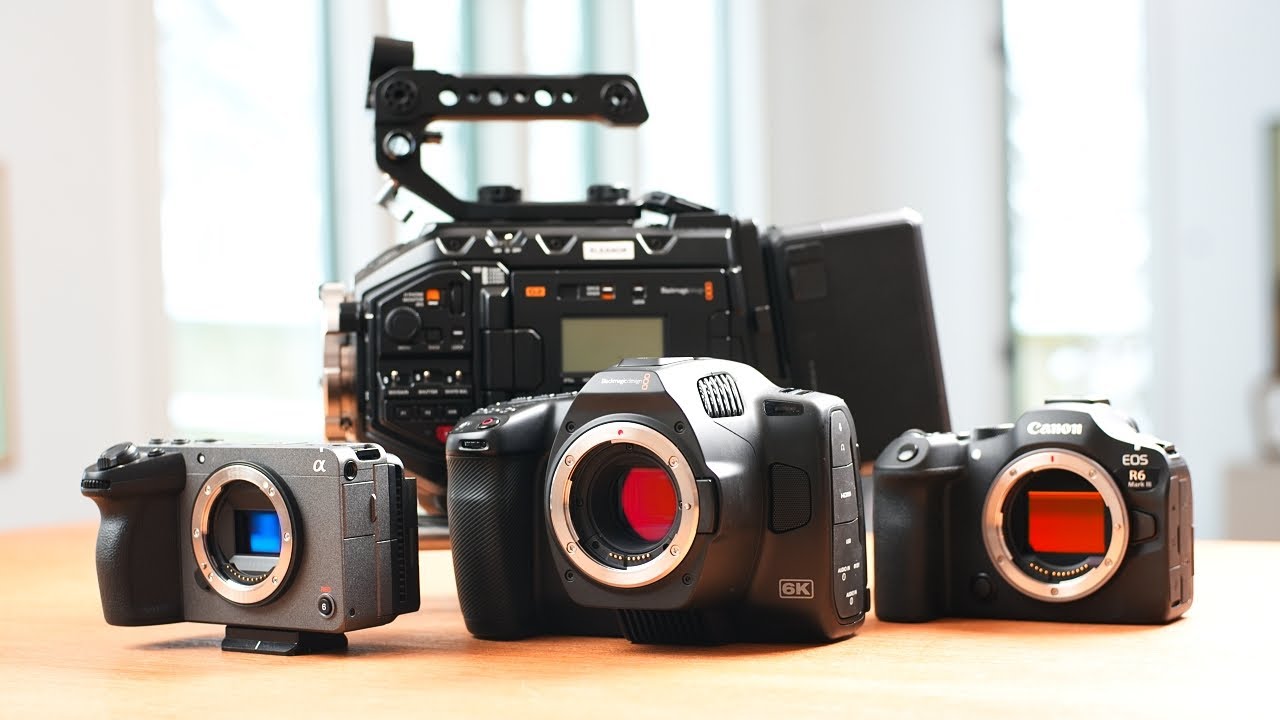
- Professional filmmaking cameras range from AED 6,900 to AED 138,000+, with models like the Canon C70, Sony FX3, and RED Komodo leading the pack
- Consider sensor size, recording formats, low-light performance, and ecosystem compatibility when choosing your next camera
- Renting before buying allows you to test different models and avoid costly mistakes
- Budget filmmakers should prioritise Canon EOS R6 Mark II or Sony A7S III for maximum versatility
- High-end productions benefit from RED cameras or ARRI Alexa series for superior image quality
Start your search with our comprehensive Cameras for Hire on LighRent to find the perfect filmmaking camera for your next project.
Choosing the right filmmaking camera in 2024 can make or break your creative vision. With technological advances accelerating rapidly, today's best filmmaking cameras offer unprecedented image quality, dynamic range, and versatility that would have cost hundreds of thousands just a decade ago. Whether you're an independent filmmaker working on your first feature or a seasoned professional upgrading your kit, understanding which cameras deliver the best value and performance is crucial.
The landscape has shifted dramatically towards hybrid cameras that excel in both photography and videography, while traditional cinema cameras continue pushing boundaries in resolution and colour science. Before committing to a significant purchase, many professionals turn to LighRent to test equipment thoroughly, ensuring their investment aligns perfectly with their creative and technical requirements.
This comprehensive guide examines the standout filmmaking cameras available right now, analysing their strengths, weaknesses, and ideal use cases to help you make an informed decision that will serve your projects for years to come.
Professional Cinema Cameras: The Industry Standards
Professional cinema cameras represent the pinnacle of filmmaking technology, designed specifically for high-end productions where image quality, reliability, and workflow efficiency are paramount. These cameras typically feature larger sensors, superior colour science, and robust build quality that can withstand demanding shooting conditions.
RED Digital Cinema Cameras
RED continues to dominate the high-end market with cameras that deliver exceptional image quality and flexibility in post-production. The RED Komodo 6K strikes an impressive balance between portability and performance, offering global shutter technology and RED's renowned colour science in a compact form factor. Its 6K sensor captures stunning detail whilst maintaining manageable file sizes, making it ideal for both narrative films and commercial work.
The RED V-Raptor 8K pushes boundaries further, delivering 8K resolution with impressive dynamic range and low-light performance. Its modular design allows filmmakers to configure the camera precisely for their needs, whether that's handheld documentary work or studio productions requiring extensive rigging.
Canon Cinema EOS Series
Canon's Cinema EOS lineup offers professional filmmakers reliable, colour-accurate cameras with excellent ergonomics. The Canon C70 stands out as a versatile workhorse, combining Canon's Dual Pixel CMOS AF with 4K recording capabilities and impressive low-light performance. Its compact size doesn't compromise on professional features, including built-in neutral density filters and comprehensive manual controls.
For larger productions, the Canon C300 Mark III delivers exceptional image quality with its Super 35mm sensor and Canon's renowned colour science. The camera excels in challenging lighting conditions and offers comprehensive recording options, making it a favourite among documentary filmmakers and commercial producers.
| Camera Model | Sensor Size | Max Resolution | Price Range | Best For |
|---|---|---|---|---|
| RED Komodo 6K | Super 35mm | 6K RAW | AED 82,800-AED 115,000 | Independent films, commercials |
| Canon C70 | Super 35mm | 4K DCI | AED 20,700-AED 25,300 | Documentary, corporate |
| Sony FX9 | Full Frame | 4K UHD | AED 36,800-AED 46,000 | Broadcast, narrative |
"The key to choosing a professional cinema camera isn't just about specifications - it's about understanding your workflow, post-production capabilities, and the specific demands of your projects. A camera that delivers stunning images but doesn't integrate with your existing workflow can become more of a hindrance than a help."
Hybrid Mirrorless Cameras: Maximum Versatility
Hybrid mirrorless cameras have revolutionised filmmaking by offering exceptional video capabilities alongside still photography features. These cameras provide professional-grade video quality in compact, lightweight bodies that are perfect for solo filmmakers, content creators, and productions requiring mobility and discretion.
Sony Alpha Series Excellence
Sony's Alpha series has consistently pushed the boundaries of what's possible in a hybrid camera. The Sony A7S III remains a standout choice for filmmakers prioritising low-light performance and video quality. Its full-frame sensor excels in challenging lighting conditions, whilst the camera's extensive recording options, including 4K internal recording and S-Log profiles, provide professional flexibility in post-production.
The newer Sony FX3 takes the A7S III's sensor and repackages it in a more cinema-focused body. With improved cooling, dedicated video controls, and a more robust build, the FX3 bridges the gap between hybrid cameras and traditional cinema cameras. Its compact size makes it ideal for gimbal work, tight spaces, and situations where a larger camera would be impractical.
Canon's Mirrorless Revolution
Canon's EOS R6 Mark II has established itself as one of the most capable hybrid cameras for filmmakers. Its 24.2-megapixel sensor delivers excellent 4K video quality with Canon's signature colour science, whilst the improved autofocus system ensures sharp footage even in challenging conditions. The camera's in-body image stabilisation works exceptionally well for handheld shooting, reducing the need for additional stabilisation equipment.
For budget-conscious filmmakers exploring their options, testing these cameras through camera rental services provides valuable hands-on experience before making a purchasing decision.
Panasonic's Video-First Approach
Panasonic has carved out a unique position in the hybrid market by prioritising video features. The Panasonic GH6 continues the GH series tradition of offering exceptional video capabilities in a compact Micro Four Thirds body. Despite the smaller sensor, the GH6 delivers impressive image quality with extensive recording options, including ProRes internal recording and advanced colour profiles.
The full-frame Panasonic S5 II addresses previous autofocus criticisms whilst maintaining the excellent video quality Panasonic is known for. Its dual native ISO performance and comprehensive manual controls make it particularly appealing to filmmakers who prefer a more hands-on approach to their craft.
Budget-Conscious Options: Professional Results Without Breaking the Bank
Creating professional-quality content doesn't always require the most expensive equipment. Several cameras offer exceptional value, delivering impressive video quality and features at more accessible price points. These cameras prove that creativity and technical skill often matter more than budget when producing compelling visual content.
Canon EOS R7: APS-C Excellence
The Canon EOS R7 brings professional video features to an APS-C body at an attractive price point. Its 32.5-megapixel sensor delivers sharp 4K video with excellent detail retention, whilst Canon's Dual Pixel CMOS AF ensures reliable focusing performance. The camera's crop factor actually becomes an advantage for wildlife and sports filming, effectively extending lens reach without additional cost.
The R7's extensive connectivity options, including clean HDMI output and comprehensive manual controls, make it suitable for both solo content creation and multi-camera productions. Its weather sealing and robust build quality ensure reliability in various shooting conditions.
Sony A7 IV: Full-Frame Accessibility
Sony's A7 IV offers full-frame video capabilities at a more accessible price than its specialist video-focused siblings. The camera's 33-megapixel sensor provides excellent image quality for both stills and video, whilst Sony's advanced autofocus system ensures sharp footage across various shooting scenarios.
The A7 IV's comprehensive feature set includes 4K internal recording, S-Log profiles, and extensive customisation options. Its excellent low-light performance and dynamic range make it suitable for a wide range of filming conditions, from controlled studio environments to challenging natural light scenarios.
Blackmagic Design Options
Blackmagic Design has consistently offered exceptional value in the cinema camera market. The Blackmagic Pocket Cinema Camera 6K Pro delivers genuine cinema-quality images at a fraction of traditional cinema camera costs. Its Super 35mm sensor and Blackmagic's colour science produce images that can easily be integrated into high-end productions.
The camera's built-in neutral density filters, comprehensive manual controls, and professional connectivity make it a serious tool for filmmakers. When paired with quality lenses and proper technique, the BMPCC 6K Pro can produce results indistinguishable from much more expensive cameras.
Key Considerations When Choosing Your Next Camera
Selecting the right filmmaking camera involves balancing numerous factors beyond initial cost. Understanding these considerations helps ensure your investment serves your creative vision and practical requirements effectively.
Sensor Size and Image Quality
Sensor size significantly impacts image quality, low-light performance, and depth of field characteristics. Full-frame sensors excel in low light and provide natural-looking depth of field, making them ideal for narrative work and situations requiring shallow focus. Super 35mm sensors offer a good balance between image quality and lens selection, whilst Micro Four Thirds sensors prioritise portability and cost-effectiveness.
Consider how sensor size affects your lens choices and overall system weight. Larger sensors often require larger, more expensive lenses to maintain image quality, which can significantly impact your total investment and kit portability.
Recording Formats and Workflow Integration
Modern cameras offer various recording formats, from highly compressed options for immediate delivery to high-bitrate formats for extensive post-production work. Consider your typical workflow and storage capabilities when evaluating recording options. RAW formats provide maximum flexibility but require significant storage and processing power, whilst more compressed formats offer efficiency at the cost of post-production flexibility.
Ensure your chosen camera's outputs integrate smoothly with your existing editing setup. Some formats may require additional software or hardware investments to handle properly, affecting your total cost of ownership.
Many professionals prefer to test different cameras and formats through rental before committing to a purchase, allowing them to evaluate real-world performance in their specific workflow. Services like equipment rental platforms provide access to the latest cameras without the immediate financial commitment.
Autofocus Performance and Manual Controls
Autofocus capabilities vary significantly between cameras and can dramatically impact shooting efficiency. Sony's Real-time Tracking and Canon's Dual Pixel CMOS AF represent current benchmarks for hybrid camera autofocus, whilst traditional cinema cameras often prioritise manual focus tools and reliability over autofocus speed.
Evaluate whether your shooting style benefits from advanced autofocus features or if manual focus control better suits your needs. Documentary and event filming often benefit from reliable autofocus, whilst narrative and commercial work may prioritise precise manual control.
Rent This Equipment on LighRent
Sony FX3 Cinema Camera
Professional cinema camera with full-frame sensor, perfect for narrative filmmaking and