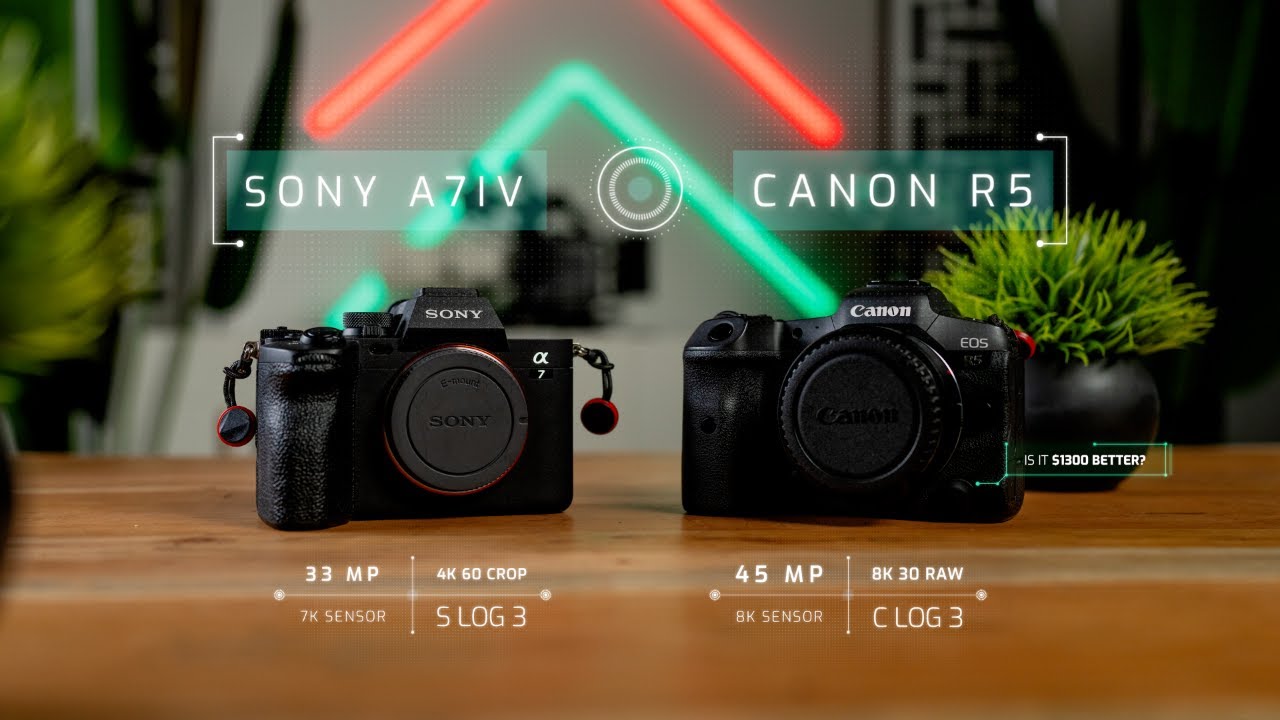
The world of mirrorless cameras has exploded in recent years, with two heavyweights leading the charge: the Sony A7IV and the Canon R5. As a filmmaker who has spent years using Canon gear, the time has come for me to switch to Sony, and I’d like to share my reasons with you. This comparison will delve into the features, performance, and overall value of both cameras, helping you make an informed decision on your next rental from LighRent.
Overview of the Cameras
The Sony A7IV and Canon R5 are both exceptional cameras tailored for professional use, but they cater to slightly different needs and preferences. Let’s break down their specifications and performance to see how they stack up against each other.
Sony A7IV Specifications
- Sensor: 33MP full-frame Exmor R CMOS
- ISO Range: 100-51,200 (expandable to 50-204,800)
- Continuous Shooting Speed: Up to 10fps with mechanical shutter
- Video Capabilities: 4K 60fps, 10-bit 4:2:2 internal recording
- Autofocus: Fast Hybrid AF with 759 phase-detection points
Canon R5 Specifications
- Sensor: 45MP full-frame CMOS
- ISO Range: 100-51,200 (expandable to 50-102,400)
- Continuous Shooting Speed: Up to 20fps with electronic shutter
- Video Capabilities: 8K 30fps, 10-bit 4:2:2 internal recording
- Autofocus: Dual Pixel CMOS AF II with 1,053 AF points
Image Quality
Both cameras deliver stunning image quality, but the differences in sensor resolution and processing can affect your choice depending on your filming needs.
Sony A7IV
The 33MP sensor of the A7IV produces sharp and detailed images, making it an excellent choice for filmmakers who prioritize high-resolution content. The color science of Sony has improved dramatically over the years, and the A7IV offers excellent dynamic range, making it suitable for post-processing.
Canon R5
The R5 boasts a 45MP sensor, which means even more detail in your images. This is a great option for filmmakers needing large prints or extensive cropping. However, I found the color science of Canon to be slightly less flexible in post, especially in low-light situations.
Video Capabilities
Video performance is critical for filmmakers, and both the A7IV and R5 shine in this area, albeit with different strengths.
Sony A7IV
The A7IV supports 4K recording at 60fps, which is perfect for cinematic looks and smooth motion. It offers 10-bit 4:2:2 internal recording, ensuring excellent color depth and flexibility in post-production. The camera also features S-Cinetone, which gives a beautiful cinematic look straight out of the camera, making it easier for filmmakers to achieve their desired aesthetic.
Canon R5
The R5 takes video capabilities a step further with its ability to shoot 8K at 30fps. This might seem like a significant advantage; however, the R5 has been known for its overheating issues, especially when shooting in 8K for extended periods. The A7IV, on the other hand, is more reliable for longer shoots, making it a better choice for rigorous filmmaking sessions.
Autofocus Performance
Autofocus is a crucial feature for filmmakers, especially for those who work alone or with minimal crew. Let’s see how both cameras compare.
Sony A7IV
Sony’s Fast Hybrid AF system is one of the best on the market, with 759 phase-detection points that ensure quick and accurate focusing. It’s particularly effective in low-light conditions, making it a significant advantage during nighttime shoots or in dimly lit environments.
Canon R5
Canon’s Dual Pixel CMOS AF II is also impressive, with 1,053 AF points covering a broad area of the frame. While it’s excellent for video, I found that the A7IV performed slightly better in challenging lighting situations, which can be a game-changer on set.
Ergonomics and Usability
How a camera feels in your hands can significantly affect your workflow, especially during long shoots.
Sony A7IV
The A7IV has a more compact and lightweight design, which is fantastic for filmmakers on the go. The menu system, while sometimes criticized, offers extensive customization options that can enhance your shooting experience once you get accustomed to it.
Canon R5
The R5 feels robust and is ergonomically designed, making it comfortable for extended use. Canon's menu system is generally considered more intuitive, which can be a plus for those new to the brand.
Conclusion: Why I'm Switching to Sony
After weighing the pros and cons of both the Sony A7IV and Canon R5, I’ve decided to make the switch to Sony for my filmmaking needs. The A7IV offers a fantastic balance of image quality, video performance, and autofocus capabilities without the overheating issues that have plagued the R5. Additionally, its compact design and customizable features suit my shooting style perfectly.
For filmmakers looking to rent either of these remarkable cameras, I highly recommend checking LighRent for competitive rental options that fit your project’s needs. Both cameras have their strengths, but for my work, the Sony A7IV is the clear winner.
Ultimately, the best camera for you depends on your specific needs. Consider what features are most important for your filmmaking style and make an informed decision. Happy shooting!