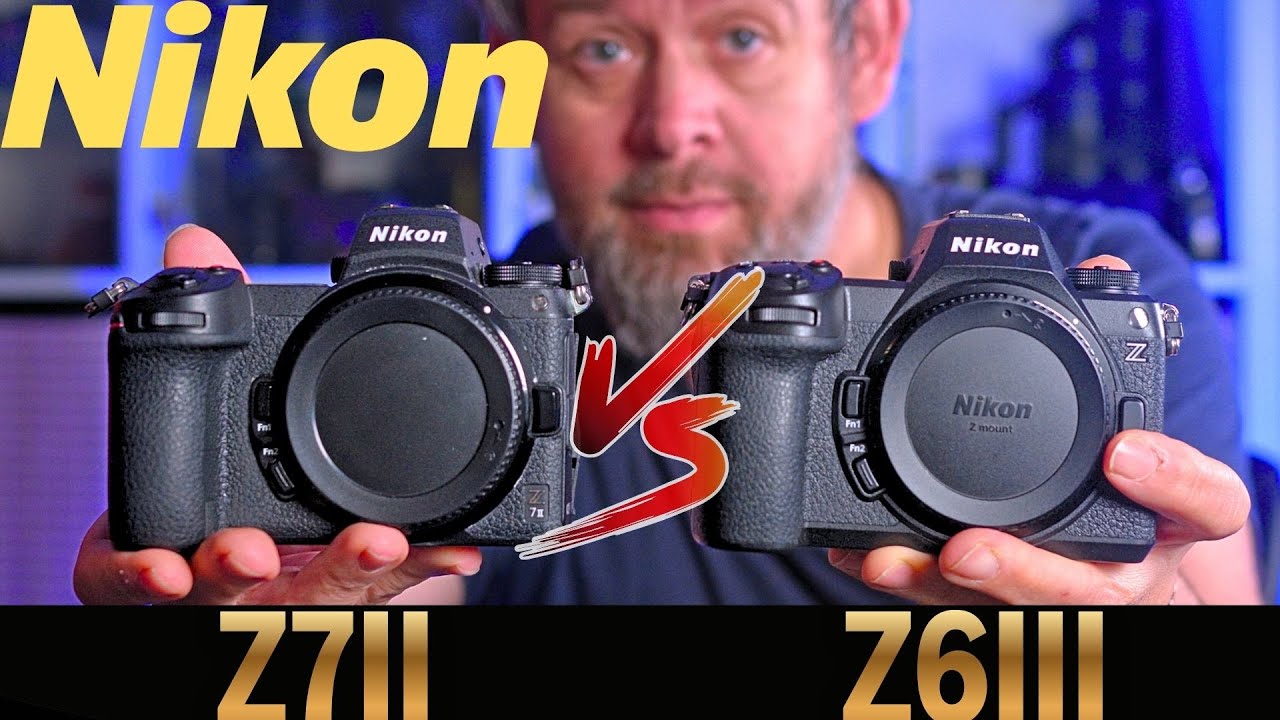
TL;DR
- The Nikon Z6III excels for video with 6K recording, superior low-light performance, and faster burst rates
- The Z7II remains the resolution king with 45.7MP for detailed stills and studio work
- Z6III costs approximately AED 160-50/day to rent vs Z7II at AED 140-45/day on peer-to-peer platforms
- Both cameras share excellent build quality, in-body stabilisation, and dual memory card slots
- Video creators should choose Z6III; landscape and portrait photographers will prefer Z7II
Choosing between the Nikon Z6III and Z7II in 2024 has become increasingly complex as both cameras serve distinctly different creative needs. The question of which Nikon Z6III vs Z7II camera suits your projects isn't just about specifications - it's about understanding how each camera's strengths align with your filmmaking and photography workflow.
Whether you're a content creator planning your next commercial shoot or a photographer exploring new creative territories, the decision between these two exceptional cameras often comes down to rental accessibility and real-world performance. With LighRent's peer-to-peer marketplace, you can test both cameras before making any long-term commitments, allowing you to make an informed choice based on hands-on experience rather than specifications alone.
Both cameras represent Nikon's commitment to the mirrorless future, but they've evolved to serve different segments of the creative market. Understanding these differences will help you choose the right tool for your specific projects and budget constraints.
Performance and Image Quality Comparison
Resolution and Detail Capture
The most immediately apparent difference between these cameras lies in their sensor resolution. The Z7II delivers an impressive 45.7 megapixels, making it the clear winner for detailed landscape photography, architectural work, and any application requiring extensive cropping flexibility. This high resolution allows for prints up to A2 size with exceptional detail retention.
In contrast, the Z6III's 24.5-megapixel sensor prioritises pixel quality over quantity. Each photosite is larger, resulting in superior light-gathering capability and reduced noise at higher ISO settings. For most commercial applications, including social media content and standard print sizes, the Z6III's resolution proves entirely adequate whilst offering significant advantages in other areas.
Low-Light Performance and ISO Capabilities
The Z6III demonstrates remarkable low-light prowess, with usable images achievable at ISO 12,800 and acceptable quality extending to ISO 25,600 in many scenarios. The larger pixel pitch contributes to cleaner shadows and more natural colour retention in challenging lighting conditions.
The Z7II, whilst competent in low light, shows more noise at equivalent ISO settings due to its higher pixel density. However, modern noise reduction algorithms in post-processing can mitigate many of these differences, particularly when shooting RAW files.
"The choice between resolution and low-light performance often determines the entire direction of a project. I've found that renting both cameras for specific shoots allows me to match the tool precisely to the creative requirements." - Professional photographer specialising in architectural and event photography
Dynamic Range and Colour Science
Both cameras utilise Nikon's renowned colour science, delivering natural skin tones and pleasing colour gradation straight from the camera. The Z7II edges slightly ahead in dynamic range due to its newer sensor technology, offering approximately 14.3 stops compared to the Z6III's 14.1 stops - a difference that's rarely noticeable in real-world shooting conditions.
For photographers working with Nikon's extensive lens ecosystem, both cameras deliver exceptional image quality that maintains consistency across the entire Z-mount range.
Video Capabilities and Content Creation Features
Recording Specifications and Codecs
The Z6III represents a significant leap forward in video capabilities, offering internal 6K recording at 60fps and 4K at up to 120fps for stunning slow-motion footage. The inclusion of advanced codecs, including ProRes RAW output via HDMI, positions this camera as a serious contender for professional video production.
The Z7II, whilst capable of 4K recording at 60fps, lacks the advanced video features that modern content creators increasingly demand. Its video capabilities remain adequate for basic content creation but fall short of contemporary broadcast and streaming requirements.
Stabilisation and Handheld Performance
Both cameras feature Nikon's excellent 5-axis in-body image stabilisation (IBIS), providing up to 5 stops of compensation. However, the Z6III's video-optimised stabilisation algorithms deliver smoother footage for handheld shooting scenarios. The improved electronic stabilisation works particularly well with native Z-mount lenses.
For gimbal work, both cameras pair excellently with modern stabilisers. When combined with equipment like the DJI RS 5 Combo, either camera can achieve professional-level smooth footage for demanding productions.
Audio Recording and External Connectivity
The Z6III includes enhanced audio recording capabilities with improved preamps and better wind noise reduction. Both cameras feature 3.5mm microphone inputs and headphone monitoring, essential for serious video work. The Z6III's USB-C implementation also supports faster data transfer and more reliable power delivery during extended recording sessions.
| Feature | Nikon Z6III | Nikon Z7II |
|---|---|---|
| Max Video Resolution | 6K at 60fps | 4K at 60fps |
| Slow Motion | 4K at 120fps | 1080p at 120fps |
| ProRes RAW Output | Yes (via HDMI) | No |
| Recording Limit | 125 minutes | 30 minutes |
| Log Recording | N-Log (10-bit) | N-Log (10-bit) |
Build Quality, Ergonomics, and Reliability
Weather Sealing and Durability
Both cameras feature robust magnesium alloy construction with extensive weather sealing, making them suitable for challenging outdoor conditions. The Z7II's slightly more refined build quality reflects its position as Nikon's flagship mirrorless camera, whilst the Z6III focuses on practical durability for active shooting scenarios.
Professional users working in demanding environments will find both cameras capable of withstanding moisture, dust, and temperature variations commonly encountered in location shooting.
Battery Life and Power Management
The Z6III demonstrates improved power efficiency, delivering approximately 740 shots per charge compared to the Z7II's 420 shots. For video recording, the Z6III can record continuously for over 2 hours with a single battery, whilst the Z7II typically requires battery changes every 45-60 minutes.
Both cameras support USB-C charging, allowing for power bank operation during extended shoots. This feature proves particularly valuable for time-lapse photography and long-form video recording sessions.
Memory Card Configuration and Storage
Both cameras feature dual memory card slots with different configurations. The Z6III uses dual CFexpress Type B slots, providing faster write speeds essential for high-resolution video recording. The Z7II combines one CFexpress Type B slot with one SD UHS-II slot, offering more flexibility for different memory card types but potentially limiting performance for demanding applications.
Rental Costs and Value Proposition
Daily Rental Rates and Market Availability
Current rental rates for the Z6III typically range from AED 160-50 per day depending on the rental period and included accessories. The Z7II commands slightly lower rates, generally AED 140-45 per day, reflecting its positioning as a more established model in the rental market.
Weekly rental rates often provide better value, with the Z6III available for approximately AED 830-250 per week and the Z7II for AED 690-220 per week. These rates make both cameras accessible for extended projects where purchase costs would be prohibitive.
Total Cost of Ownership vs Rental Benefits
For content creators who require camera access fewer than 15-20 days per year, rental represents significant cost savings. The Z6III's retail price of approximately AED 11,500 and the Z7II's price of around AED 10,100 mean that rental costs become favourable for most occasional users.
Professional filmmakers and photographers working on diverse projects can benefit from renting different cameras based on specific project requirements rather than committing to a single camera system.
| Consideration | Rental Advantage | Purchase Advantage |
|---|---|---|
| Initial Investment | AED 160-50/day | AED 10,100-2,500 |
| Break-even Point | 50+ rental days | Immediate ownership |
| Insurance Coverage | Included in rental | Additional cost |
| Maintenance | Rental provider responsibility | Owner responsibility |
| Technology Updates | Access to latest models | Depreciation concerns |
Insurance and Protection Considerations
Rental platforms typically include comprehensive insurance coverage, protecting against accidental damage and theft. This coverage eliminates the need for separate camera insurance policies, which can cost AED 690-300 annually for equipment of this value.
For occasional users, the peace of mind provided by rental insurance often outweighs the convenience of ownership, particularly when working in challenging environments or unfamiliar locations.
Choosing the Right Camera for Your Needs
Content Creation and Social Media
The Z6III emerges as the clear winner for content creators focused on video production, social media content, and multi-platform publishing. Its superior video specifications, better low-light performance, and longer battery life align perfectly with the demands of modern content creation workflows.
The ability to shoot 6K footage provides excellent downsampling to 4K for sharper final output, whilst the high frame rate capabilities enable creative slow-motion sequences that enhance storytelling possibilities.
Commercial Photography and Studio Work
For commercial photographers requiring maximum resolution and detail, the Z7II remains the superior choice. Its 45.7-megapixel sensor provides the flexibility needed for large-scale printing, extensive cropping, and demanding client requirements in architectural, fashion, and product photography.
Studio photographers will appreciate the Z7II's colour accuracy and dynamic range, particularly when working with controlled lighting setups and requiring maximum image quality.
Event and Documentary Photography
Event photographers face a challenging decision between the cameras. The Z6III's superior low-light performance and faster burst rates make it ideal for challenging lighting conditions common in wedding and corporate