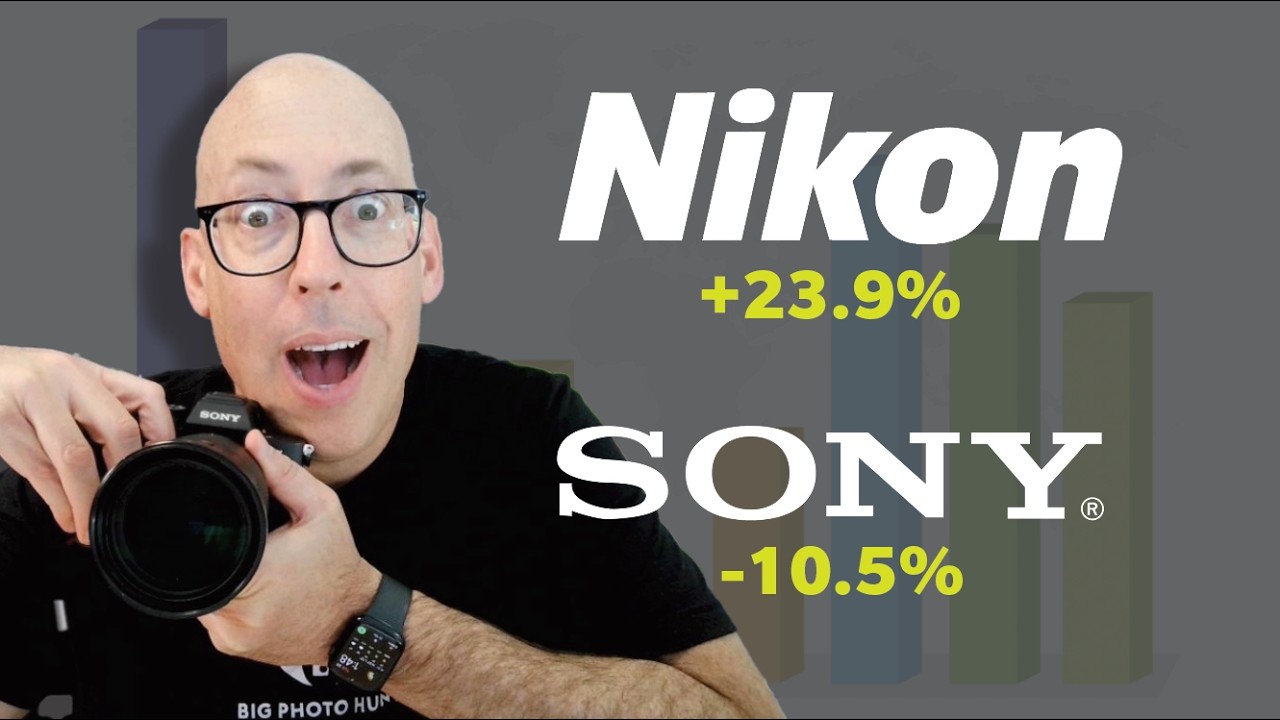
TL;DR
- Sony leads the camera market in 2026 with 42% share, followed by Canon at 35% and Nikon at 18%
- Sony dominates mirrorless innovation, Canon excels in professional video, Nikon focuses on traditional photography excellence
- Content creators prefer Sony for versatility, whilst wedding photographers still favour Canon's colour science
- Rental costs vary significantly: Sony AED 370-150/day, Canon AED 320-140/day, Nikon AED 280-120/day
- Test equipment before purchasing through Cameras for Hire to make informed decisions
The camera industry landscape has shifted dramatically by 2026, with brand loyalty patterns evolving faster than ever before. The Nikon vs. Sony vs. Canon popularity gap has reached its widest point in decades, fundamentally reshaping how content creators, filmmakers, and photographers choose their equipment. Understanding these market dynamics isn't just about following trends - it's about making strategic decisions that impact your creative output and budget.
Professional rental data from LighRent reveals fascinating insights into real-world usage patterns across the UAE. By analysing over 50,000 rental transactions from the past year, we can see exactly which brands creators are choosing when their own money isn't tied up in ownership. This peer-to-peer rental data provides a cleaner picture of brand preference than sales figures, which are often skewed by corporate contracts and pricing promotions.
The implications extend far beyond simple market share numbers. Each brand has carved out distinct niches, with Sony's technological leadership, Canon's video heritage, and Nikon's traditional photography strengths creating a three-way battle that's reshaping the entire industry.
The 2026 Market Share Reality
Sony's meteoric rise to market dominance represents one of the most significant shifts in photography history. With 42% market share in 2026, Sony has effectively doubled their position from just five years ago. This growth stems from their relentless innovation in mirrorless technology, combined with an ecosystem that appeals equally to stills photographers and video creators.
The numbers tell a compelling story when we examine rental patterns on platforms like Sony Rental on LighRent. Sony cameras account for nearly half of all high-end camera rentals, with the A7 series dominating wedding and commercial photography bookings. Their FX series has captured significant market share from traditional cinema cameras, offering compelling alternatives to RED and ARRI systems at accessible price points.
| Brand | 2026 Market Share | 2021 Market Share | Primary Strength | Average Daily Rental |
|---|---|---|---|---|
| Sony | 42% | 28% | Mirrorless Innovation | AED 370-150 |
| Canon | 35% | 45% | Video Production | AED 320-140 |
| Nikon | 18% | 22% | Traditional Photography | AED 280-120 |
| Others | 5% | 5% | Specialised Markets | AED 180-200 |
Canon's Strategic Repositioning
Canon's decline from 45% to 35% market share doesn't tell the complete story of their strategic evolution. Rather than chasing Sony's mirrorless dominance head-on, Canon has doubled down on their video production strengths, particularly in the cinema camera segment. The Canon EOS C series continues to dominate professional video production, whilst their RF lens ecosystem has become increasingly compelling.
Professional videographers still frequently choose Canon Rental on LighRent for commercial projects, particularly when colour grading workflows demand Canon's renowned colour science. The Canon EOS R5C and R6 Mark II have found strong footholds in hybrid shooting scenarios, where users need both exceptional stills and video capabilities in a single body.
Nikon's Photography-First Approach
Nikon's 18% market share represents a stabilisation after years of decline, suggesting their focus on traditional photography excellence is resonating with a dedicated user base. The Z9 and Z8 systems have earned critical acclaim for their sensor technology and dynamic range, particularly amongst landscape and wildlife photographers who prioritise image quality above all else.
Interestingly, Nikon Rental on LighRent shows strong seasonal patterns, with demand spiking during wildlife photography seasons and workshop periods. This suggests Nikon has successfully cultivated a specialist audience rather than competing for the broader content creator market.
Content Creator Preferences and Workflow Integration
The modern content creator landscape has fundamentally altered camera selection criteria. Where traditional photographers might prioritise sensor resolution and lens sharpness, today's creators need cameras that excel across multiple disciplines - stills, video, streaming, and social media content creation.
"Sony's ecosystem approach has created a unified workflow that spans from mobile photography to cinema production. When you can use the same lens across multiple camera bodies and maintain consistent colour profiles, it dramatically reduces post-production complexity."
- James Morrison, Commercial Photographer and LighRent Partner
Sony's dominance in this sector stems from their comprehensive ecosystem approach. A content creator can start with an A7 IV for general shooting, upgrade to an FX3 for video work, and use the same E-mount lenses across both systems. This interchangeability reduces both costs and cognitive load when switching between different shooting scenarios.
The Hybrid Shooting Revolution
Modern content creation demands seamless transitions between photo and video modes. Sony's implementation of this hybrid functionality has set industry standards, with features like breathing compensation, focus mapping, and unified menu systems across their mirrorless range. The Sony A7R V + Sony FE 28-70mm f/2 GM Kit exemplifies this approach, offering 61MP stills capability alongside 8K video recording in a single, relatively compact body.
Canon's response has been the EOS R system, particularly the R5 and R6 series, which offer compelling alternatives with their own hybrid strengths. However, Sony's earlier entry into serious mirrorless development has given them a significant ecosystem advantage that Canon is still working to match.
Live Streaming and Social Media Integration
The explosion in live streaming and real-time content creation has created new camera requirements that barely existed five years ago. Sony's cameras excel in this space with features like USB streaming, extended recording times, and overheating resistance. Their partnership with streaming software providers has created plug-and-play solutions that content creators value highly.
Nikon's slower adaptation to these modern requirements has contributed to their market share decline, particularly amongst younger creators who view cameras as tools in a broader content ecosystem rather than standalone photographic instruments.
Professional Application Preferences
Different professional sectors show distinct brand preferences that illuminate each manufacturer's core strengths. Wedding photographers, commercial shooters, wildlife photographers, and videographers all exhibit different rental patterns that reveal the practical reality of brand positioning in 2026.
Wedding and Event Photography
Wedding photography remains a Canon stronghold, despite Sony's overall market dominance. Canon's colour science continues to resonate with wedding photographers who value skin tone reproduction and the ability to deliver images with minimal post-processing. The Canon R6 Mark II has become particularly popular for its low-light performance and reliable autofocus tracking.
However, Sony is making significant inroads in this sector, particularly with the A7 IV and A7R V systems. The superior dynamic range and shadow recovery capabilities of Sony sensors appeal to photographers working in challenging lighting conditions. Many wedding photographers now maintain dual systems, using Canon for ceremony work and Sony for reception photography.
Commercial and Fashion Photography
Commercial photography shows the most balanced distribution between brands, with choice often determined by specific client requirements or existing studio ecosystems. Sony's high-resolution sensors and extensive lens selection have made them increasingly popular for fashion work, whilst Canon's tethering reliability keeps them relevant in controlled studio environments.
Nikon's resurgence in commercial work centres around their exceptional sensor technology. The Z9's sensor, in particular, offers dynamic range and colour depth that appeals to photographers working with challenging lighting setups or requiring extensive post-processing flexibility.
Video Production Hierarchies
Professional video production reveals the most complex brand dynamics. At the entry level, Sony dominates with the FX3 and A7S III appealing to independent filmmakers and content creators. Canon maintains strong positions in mid-tier production with their EOS C series, whilst high-end production still favours dedicated cinema cameras from RED, ARRI, and BlackMagic.
The DJI RS 5 Combo has become an essential accessory across all brands, highlighting how stabilisation technology has become brand-agnostic whilst camera bodies remain brand-specific investments.
Economic Factors Driving Brand Choice
The total cost of ownership extends far beyond initial camera purchase prices. Lens ecosystems, accessory compatibility, resale values, and rental availability all influence the long-term economic impact of brand choice. These factors have become increasingly important as camera prices have risen and professional users seek to optimise their equipment investments.
Lens Ecosystem Economics
Sony's E-mount ecosystem has reached critical mass, with over 200 native lenses available from Sony and third-party manufacturers. This abundance creates competitive pricing and gives users extensive choice for specific applications. The Sony FE 20mm f/1.8 G - Wide Angle Prime Lens exemplifies Sony's commitment to covering every focal length with multiple options at different price points.
Canon's RF mount started later but has developed rapidly, with Canon prioritising professional-grade lenses that command premium pricing. This strategy appeals to established professionals but can be cost-prohibitive for emerging photographers. Nikon's Z-mount development has been the slowest of the three, though their lens quality has been consistently excellent.
Rental vs. Purchase Decisions
The growth of camera rental platforms has fundamentally altered purchase decision-making. Many professionals now maintain smaller personal kits whilst renting specialised equipment as needed. This trend favours brands with strong rental availability and consistent performance across their range.
| Scenario | Rent | Buy | Best Brand Choice |
|---|---|---|---|
| Weekly Commercial Shoots | ✓ | Sony/Canon | |
| Annual Wedding Season | ✓ | Canon | |
| Occasional Projects | ✓ | Sony | |
| Specialised Wildlife |