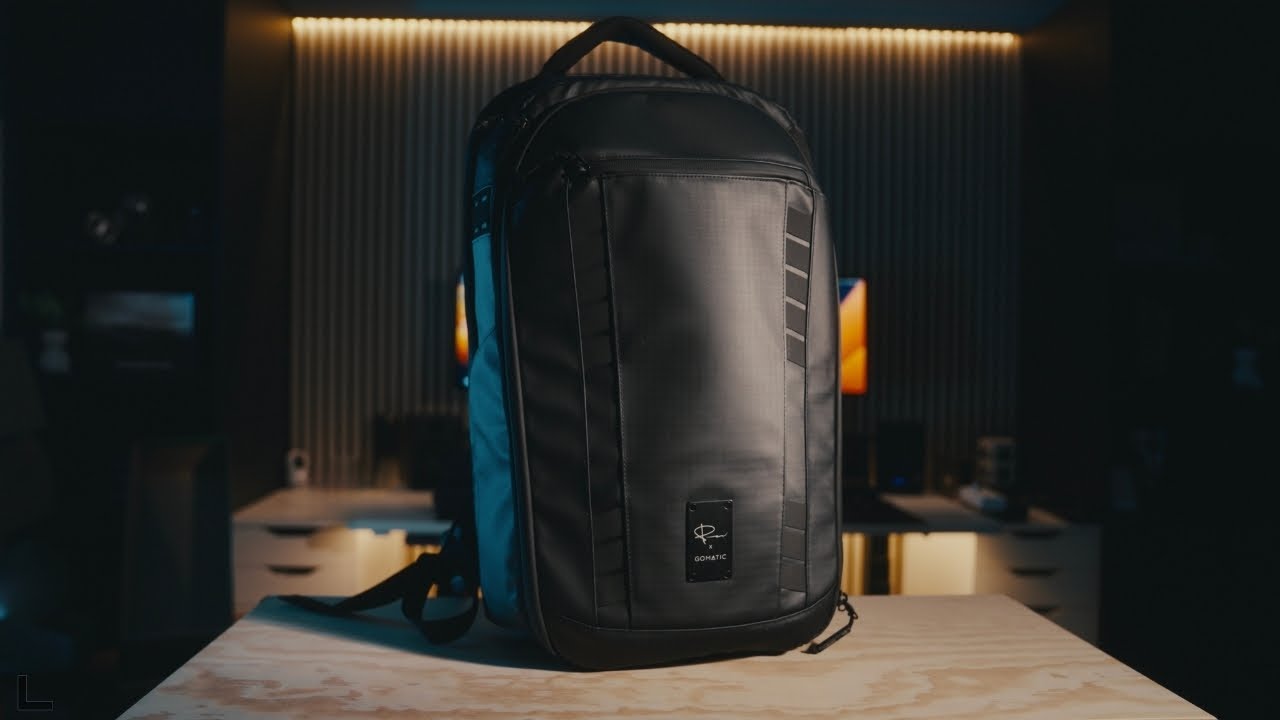
As we head into 2026, the filmmaking landscape continues to evolve at breakneck speed. After fifteen years behind the camera and countless productions ranging from corporate videos to feature documentaries, I've learned that your gear bag isn't about having the most expensive equipment - it's about having the right tools that deliver consistent results when it matters most.
Today, I'm opening up my camera bag to share the equipment I genuinely rely on for professional work. Whether you're a seasoned filmmaker or just starting out, understanding which tools provide the best value and performance can save you thousands of dirhams and countless headaches on set.
Camera Bodies: The Foundation of Every Shot
Primary Workhorse: Sony FX6
The Sony FX6 remains my go-to camera for 90% of my commercial work. Its full-frame sensor delivers exceptional low-light performance, crucial for the unpredictable lighting conditions I often encounter in documentary filmmaking. The built-in variable ND filter system has saved me countless times during outdoor interviews where lighting changes rapidly.
What sets the FX6 apart is its reliability. I've used this camera in everything from freezing Scottish highlands to humid Dubai summers, and it's never let me down. The dual base ISO (800/12800) gives me incredible flexibility, and the 10-bit 4:2:2 internal recording means I'm not tethered to external recorders for most projects.
Backup and B-Camera: Canon C70
For multi-camera setups or as a reliable backup, the Canon C70 has proven invaluable. Its compact form factor makes it perfect for gimbal work or tight shooting spaces. The Canon colour science pairs beautifully with the FX6 in post-production, and the dual gain output sensor performs admirably in challenging lighting conditions.
The C70's modular design means I can strip it down for handheld work or build it up for more complex setups. It's particularly excellent for corporate interviews where I need a professional look without the intimidation factor of larger cinema cameras.
Lenses: Crafting the Visual Story
The Versatile Trio
My lens selection has been refined through years of real-world use. I carry three primary lenses that cover 95% of my shooting scenarios:
- Sony FE 24-70mm f/2.8 GM II: The workhorse zoom that handles everything from wide establishing shots to intimate close-ups. The constant f/2.8 aperture and excellent image stabilisation make it perfect for handheld documentary work.
- Sony FE 70-200mm f/2.8 GM OSS: Essential for interviews and isolating subjects. The compression at 200mm creates beautiful background separation, whilst the optical stabilisation allows for sharp handheld shots.
- Sony FE 16-35mm f/2.8 GM: For those dramatic wide shots and tight interior spaces. The minimal distortion at 16mm makes it perfect for architectural work and environmental portraits.
The Character Lens: Sigma 85mm f/1.4 Art
When I need that extra bit of visual magic, the Sigma 85mm f/1.4 Art delivers every time. The bokeh quality is exceptional, and it's become my secret weapon for creating those cinematic portraits that clients remember. At f/1.4, it's also a lifesaver in low-light situations where even the FX6's impressive sensor needs help.
Audio: The Unsung Hero of Professional Video
Poor audio can destroy even the most beautifully shot footage. My audio kit has been carefully selected for reliability and quality:
Wireless Systems
The Sennheiser AVX-ME2 SET has revolutionised my solo documentary work. The automatic frequency selection means I spend less time troubleshooting and more time focusing on the story. The transmitter's battery life easily handles full-day shoots, and the audio quality rivals much more expensive systems.
Shotgun Microphone
The Deity V-Mic D3 Pro sits permanently atop my FX6. Its compact design doesn't interfere with my camera movements, yet it captures surprisingly rich audio for such a small microphone. The integrated shock mount and windscreen make it perfect for run-and-gun situations.
Audio Recording
The Zoom F3 has become my portable audio recorder of choice. Its 32-bit float recording means I never have to worry about clipping, even when subjects unexpectedly raise their voices. This feature alone has saved numerous interviews where traditional recording would have resulted in unusable audio.
Support and Stabilisation: Keeping Everything Steady
Tripod System
After cycling through numerous tripods, I've settled on the Manfrotto MVK502AM system. The fluid head provides smooth pans and tilts essential for professional-looking footage, whilst the aluminum legs offer the perfect balance of weight and stability. It's robust enough for my FX6 with large lenses, yet light enough for location work.
Gimbal Stabilisation
The DJI RS 3 Pro handles both my cameras with ease. What impressed me most is its automated axis locks and the LiDAR focusing system when paired with compatible lenses. For tracking shots and dynamic movement, it's become indispensable.
Power and Storage: Keeping Everything Running
Nothing stops production faster than dead batteries or full memory cards. I carry multiple Sony NP-FZ100 batteries and have invested in high-speed CFexpress Type A cards for the FX6. For the C70, reliable CFexpress Type B cards ensure I never miss a moment due to buffer limitations.
Lighting: Shaping the Visual Narrative
My lighting kit focuses on versatility and quick setup. The Aputure MC RGBWW lights are incredibly versatile for accent lighting, whilst a Godox VL150 provides powerful key lighting when needed. These lights pack small but deliver professional results.
Making Professional Gear Accessible
The reality is that building a complete professional camera kit represents a significant investment - often AED 138,000 or more for everything I've mentioned. This is where platforms like LighRent become invaluable for both emerging and established filmmakers.
Whether you're testing equipment before purchasing, need specialised gear for a specific project, or want to offer clients premium production values without the massive capital investment, renting through LighRent provides access to the same professional equipment I use daily. The peer-to-peer model means you're often renting from working professionals who understand the importance of well-maintained gear.
The Philosophy Behind the Kit
Every piece of equipment in my bag serves multiple purposes and has proven itself reliable under pressure. The key is building a kit that grows with your skills and career rather than chasing the latest releases. Focus on understanding your current equipment inside and out before adding new pieces.
Remember, clients hire you for your creative vision and professional execution - the camera is just the tool that captures your ideas. These tools have served me well, but the most important element in any camera bag remains the filmmaker behind the lens.