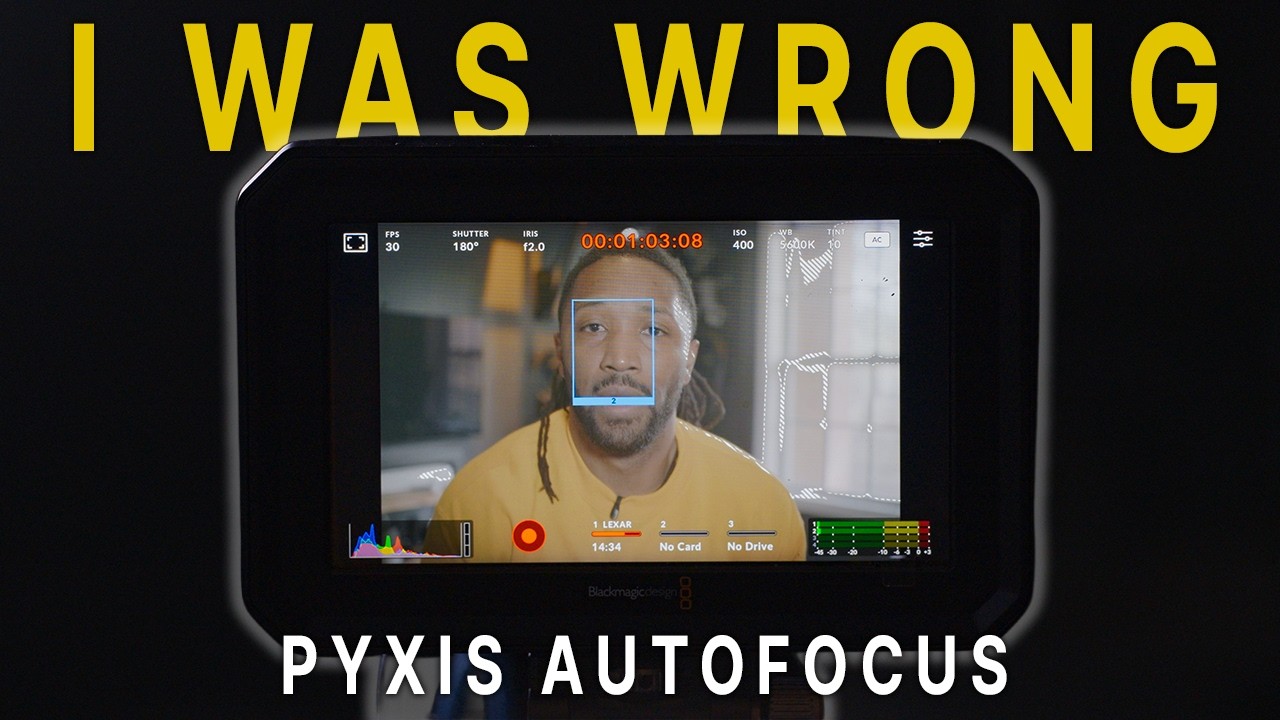
TL;DR
- Blackmagic's autofocus has dramatically improved with firmware updates and new camera releases like the Pocket Cinema Camera 6K Pro
- The key is understanding which Blackmagic cameras have reliable autofocus and how to configure them properly for different shooting scenarios
- Modern Blackmagic autofocus works best with native MFT lenses and specific Canon EF lenses with electronic contacts
- For critical shoots, renting allows you to test the latest Blackmagic models before committing to purchase
- Proper power management and lens selection are crucial for maximising autofocus performance on Blackmagic cameras
Rent Blackmagic cameras on LighRent to experience the improved autofocus capabilities firsthand.
For years, I dismissed Blackmagic cameras outright when clients mentioned autofocus requirements. The early Pocket Cinema Camera models were notorious for their sluggish, unreliable autofocus that would hunt endlessly in anything but perfect lighting conditions. I'd automatically reach for Sony or Canon alternatives, convinced that Blackmagic's cinema-focused approach meant sacrificing the convenience of reliable autofocus forever.
How wrong I was. After reluctantly testing the latest Blackmagic Pocket Cinema Camera 6K Pro on a recent documentary shoot, I discovered that my preconceptions were based on outdated firmware and older camera models. The autofocus performance had transformed so dramatically that it fundamentally changed how I approach camera selection for different projects. Whether you're considering purchasing or exploring options through LighRent's extensive camera rental marketplace, understanding the current state of Blackmagic autofocus is essential for making informed decisions about your next production.
This revelation prompted me to dive deeper into what had changed, which Blackmagic cameras now offer reliable autofocus, and how to optimise their performance for professional video work. The results surprised me, and they'll likely surprise you too.
The Evolution of Blackmagic Autofocus Technology
Blackmagic Design's journey with autofocus has been anything but linear. The original Pocket Cinema Camera, released in 2013, featured contrast-based autofocus that was functional but painfully slow. Many cinematographers, myself included, quickly learned to rely on manual focus or external solutions, writing off Blackmagic's autofocus capabilities entirely.
The turning point came with significant firmware updates and the introduction of newer sensor technologies in more recent models. The Pocket Cinema Camera 4K, released in 2018, marked the beginning of a more serious commitment to autofocus performance. However, it was the 6K and 6K Pro models that truly delivered on the promise of usable autofocus for professional video work.
Key Improvements in Recent Models
The most significant advancement has been the implementation of improved contrast-detection algorithms combined with better processing power. Unlike phase-detection autofocus found in many mirrorless cameras, Blackmagic's approach focuses on accuracy over speed, which actually suits video work better than many realise.
Modern Blackmagic cameras now feature customisable autofocus settings that allow you to adjust sensitivity, speed, and hunting behaviour. This level of control was simply not available in earlier iterations and makes a substantial difference in real-world shooting scenarios.
The introduction of touch-to-focus functionality on models with LCD screens has also transformed the user experience. Being able to tap your subject on the screen and have the camera smoothly transition focus is a game-changer for solo operators and documentary work.
Firmware Updates That Changed Everything
One of the most overlooked aspects of Blackmagic's autofocus improvement has been the consistent firmware updates. Camera Update 7.3 for the Pocket Cinema Camera 6K Pro, for instance, introduced refined autofocus algorithms that reduced hunting and improved low-light performance significantly.
These updates are free and can transform the performance of cameras you might already own or rent. Before dismissing any Blackmagic camera's autofocus capabilities, it's crucial to ensure you're running the latest firmware version.
| Camera Model | Autofocus Type | Performance Rating | Best Use Cases |
|---|---|---|---|
| Pocket Cinema Camera 4K | Contrast Detection | Good | Controlled environments, interviews |
| Pocket Cinema Camera 6K | Contrast Detection | Very Good | Documentary, corporate video |
| Pocket Cinema Camera 6K Pro | Enhanced Contrast Detection | Excellent | Professional video, live events |
| Studio Camera 4K Pro | Basic Contrast Detection | Limited | Studio work, manual focus preferred |
Which Blackmagic Cameras Actually Have Good Autofocus
Not all Blackmagic cameras are created equal when it comes to autofocus performance. Understanding which models offer reliable autofocus is crucial for making the right choice for your specific needs.
The Pocket Cinema Camera 6K Pro: The Autofocus Champion
The Pocket Cinema Camera 6K Pro stands out as Blackmagic's most capable autofocus performer. With its improved processor and refined algorithms, it delivers smooth, accurate focus transitions that rival many traditional video cameras. The larger Super 35 sensor also provides more subject separation, making it easier for the autofocus system to lock onto your intended target.
During my testing with this model from the cameras available for hire through LighRent, I was consistently impressed by its ability to track subjects through complex movements without the excessive hunting that plagued earlier models.
The Pocket Cinema Camera 6K: Solid but Situational
The standard 6K model offers good autofocus performance, though it's noticeably less refined than its Pro counterpart. It works well in controlled environments and with sufficient lighting but can struggle in challenging conditions where the Pro model would excel.
For budget-conscious productions, the 6K model represents a sweet spot between performance and cost, especially when renting for specific projects rather than purchasing outright.
The Pocket Cinema Camera 4K: Limited but Functional
While the 4K model has received firmware improvements over the years, its autofocus remains the most basic in the current lineup. It's functional for interviews and controlled shooting situations but shouldn't be relied upon for dynamic content or challenging lighting conditions.
"The key with any Blackmagic autofocus system is understanding its strengths and limitations. These cameras excel at smooth, deliberate focus transitions rather than the snappy, instant locks you might expect from a photography-focused camera. Once you adjust your expectations and shooting style accordingly, the results can be remarkably professional." - Professional cinematographer with 15+ years of experience
Lens Compatibility and Autofocus Performance
The lens you choose has perhaps the greatest impact on autofocus performance with Blackmagic cameras. Not all lenses are created equal, and understanding compatibility is crucial for achieving reliable results.
Native Micro Four Thirds Lenses: The Gold Standard
For the Pocket Cinema Camera 4K, native MFT lenses provide the best autofocus experience. Panasonic and Olympus lenses, in particular, offer smooth, quiet operation that's ideal for video work. The electronic communication between lens and camera is optimised for these combinations.
Professional MFT lenses like the Panasonic Leica series or high-end Olympus Pro lenses deliver exceptional autofocus performance that can compete with any camera system when properly configured.
Canon EF Lenses: Hit or Miss
Canon EF lens compatibility varies significantly depending on the specific lens model and age. Newer Canon lenses with stepping motors (STM) and nano USM motors tend to perform much better than older lenses with traditional USM motors.
The Canon EF 24-105mm f/4L IS II USM, for example, provides excellent autofocus performance on Blackmagic cameras, while older lenses like the 24-105mm f/4L IS (original version) may hunt excessively.
When renting additional lenses to complement your Blackmagic setup, it's worth exploring the extensive selection available through lens rental options to find the perfect combination for your specific project needs.
Manual Focus Lenses and Adapters
Obviously, manual focus lenses won't provide autofocus functionality, but they're worth mentioning because they often provide superior optical quality for the price. Many professionals prefer to use high-quality manual lenses and focus pulling techniques rather than relying on autofocus for critical shots.
Real-World Autofocus Performance Testing
Theory is one thing, but real-world performance is what matters for working professionals. I conducted extensive testing across various scenarios to understand exactly where modern Blackmagic autofocus excels and where it still struggles.
Documentary and Run-and-Gun Shooting
For documentary work, the Pocket Cinema Camera 6K Pro proved surprisingly capable. The key is using the touch-to-focus functionality strategically and understanding that the system prioritises accuracy over speed. In interview situations, the autofocus is virtually flawless, maintaining sharp focus on subjects even when they move within reasonable bounds.
However, for rapidly moving subjects or unpredictable action, manual focus or focus pulling remains the more reliable option. The autofocus system simply isn't fast enough to track erratic movement effectively.
Corporate and Commercial Video
This is where Blackmagic autofocus truly shines. For talking heads, product demonstrations, and controlled commercial environments, the smooth, deliberate focus transitions actually look more professional than the rapid snaps often produced by photography-oriented autofocus systems.
The ability to program specific autofocus behaviours through the menu system allows you to dial in exactly the performance characteristics you need for different types of corporate content.
Low Light Performance
Low light remains challenging for Blackmagic autofocus, though the 6K Pro model shows significant improvement over earlier versions. The system requires sufficient contrast to function effectively, so very low light situations will still demand manual focus techniques.
Proper lighting setup becomes even more critical when relying on autofocus. Having adequate lighting equipment available through rental services can make the difference between usable autofocus performance and frustrating hunting.
Optimising Blackmagic Autofocus Settings
Getting the best performance from Blackmagic autofocus requires understanding the various settings and how they interact with different shooting scenarios.
Menu Configuration for Different Scenarios
The autofocus menu in modern Blackmagic cameras offers several critical settings that dramatically impact performance. The sensitivity setting controls how quickly the system responds to focus changes, while the speed setting determines how fast the lens moves during focus transitions.
For interview work, I typically set sensitivity to medium and speed to slow, creating smooth, unobtrusive focus changes. For more dynamic content, increasing both settings provides more responsive performance, though at the cost of some smoothness.
Power Management Considerations
Autofocus performance can degrade significantly when camera batteries run low. Black