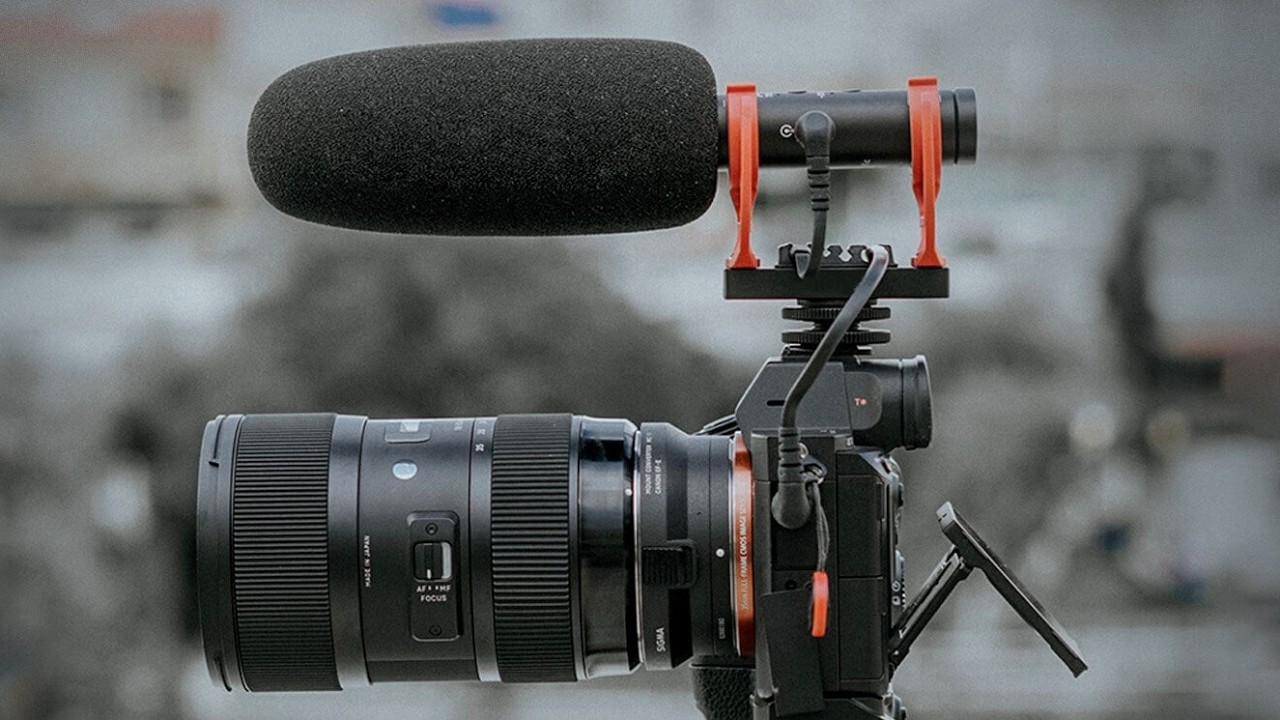
TL;DR
- The Deity V-Mic D3 Pro delivered the most consistent results across all conditions, whilst the Rode VideoMic Pro Plus excelled in high-wind scenarios
- Budget options like the Takstar SGC-598 performed surprisingly well for indoor dialogue but struggled outdoors
- Wireless shotgun mics like the Sennheiser MKE 600 offer unmatched flexibility but require careful battery management
- Renting different models before purchasing can save thousands - I discovered my "dream mic" wasn't suitable for my actual workflow
- Professional windshields and shock mounts are essential investments that dramatically improve any shotgun mic's performance
After years of using the same budget shotgun microphone for my documentary work, I finally decided to test what I'd been missing. Over 30 days, I put five different shotgun microphones through their paces across various filming scenarios - from intimate indoor interviews to challenging outdoor environments. What I discovered fundamentally changed how I approach audio capture and taught me valuable lessons about when renting equipment makes more financial sense than buying.
As a filmmaker operating in the UAE market, I've always been cautious about major equipment investments. That's where platforms like LighRent have revolutionised my approach to testing and accessing professional gear. Rather than committing thousands to a microphone based on online reviews alone, I could rent different models and make informed decisions based on real-world performance in my specific use cases.
This comprehensive test wasn't just about finding the "best" shotgun microphone - it was about understanding which tool works best for different scenarios, budgets, and creative requirements. The results surprised me, challenged my preconceptions, and ultimately saved me from making a costly purchasing mistake.
The Test Setup: Creating Real-World Conditions
To ensure meaningful results, I designed a testing methodology that reflected actual filming conditions rather than sterile studio environments. Each microphone was evaluated across five distinct scenarios: indoor dialogue recording, outdoor interviews with moderate wind, street-level documentary shooting, conference room presentations, and challenging weather conditions including rain and strong wind.
The five microphones I selected represented different price points and design philosophies: the industry-standard Rode VideoMic Pro Plus (AED 1,500), the increasingly popular Deity V-Mic D3 Pro (AED 920), the budget-friendly Takstar SGC-598 (AED 110), the wireless-capable Sennheiser MKE 600 (AED 1,600), and the compact Audio-Technica AT875R (AED 780). Each mic was tested with identical recording setups using a Canon C70 and consistent gain levels.
Standardising the Variables
Every test session used identical environmental conditions where possible. Indoor tests were conducted in the same untreated room with consistent ambient noise levels. Outdoor tests were performed at the same location during similar weather conditions. I maintained detailed logs of wind speed, temperature, and background noise levels to ensure fair comparisons.
The recording setup remained constant: each microphone was mounted on the same boom pole using compatible shock mounts, positioned at identical distances from subjects, and recorded through the same preamp chain. This methodology eliminated variables that could skew results and focused attention purely on each microphone's inherent characteristics.
Performance Analysis: What the Numbers Tell Us
After 30 days of intensive testing, clear performance patterns emerged across different scenarios. The results challenged several assumptions about price-to-performance ratios and revealed that the "best" microphone varies significantly depending on specific use cases and environmental conditions.
| Microphone | Price | Indoor Performance | Wind Resistance | Build Quality | Battery Life | Best Use Case |
|---|---|---|---|---|---|---|
| Rode VideoMic Pro Plus | AED 1,500 | Excellent | Outstanding | Professional | 70+ hours | All-round professional work |
| Deity V-Mic D3 Pro | AED 920 | Excellent | Very Good | Very Good | 80+ hours | Documentary filmmaking |
| Sennheiser MKE 600 | AED 1,600 | Very Good | Good | Professional | 150+ hours | Wireless applications |
| Audio-Technica AT875R | AED 780 | Good | Fair | Good | N/A (No battery) | Budget productions |
| Takstar SGC-598 | AED 110 | Fair | Poor | Basic | 50+ hours | Indoor content creation |
The Surprising Budget Champion
Perhaps the most unexpected discovery was how well the Takstar SGC-598 performed in controlled indoor environments. For YouTube creators and podcasters working exclusively indoors, this budget option delivered surprisingly clean audio that, with proper post-processing, rivalled microphones costing ten times more. However, its limitations became immediately apparent in any challenging acoustic environment.
This finding reinforced the value of renting equipment before purchasing. Many content creators operating on tight budgets might assume they need expensive gear, when a AED 110 microphone could meet their specific requirements perfectly. Conversely, filmmakers planning outdoor shoots would quickly discover this mic's inadequacies - a lesson better learned through rental than ownership.
"The biggest mistake I see emerging filmmakers make is assuming expensive gear automatically equals better results. Understanding your specific requirements and testing equipment in your actual working conditions is far more valuable than relying on price as a quality indicator." - Sarah Chen, Sound Engineer at Pinewood Studios
Real-World Applications: When Each Mic Excelled
Beyond laboratory-style testing, I integrated each microphone into actual paid projects throughout the month. This real-world application revealed performance characteristics that bench tests simply cannot capture - factors like handling noise, operator fatigue, and client perception all influenced the overall user experience.
Documentary Work: The Deity Surprise
During a week-long documentary shoot in rural Scotland, the Deity V-Mic D3 Pro consistently outperformed more expensive alternatives. Its combination of excellent directional pickup, impressive wind rejection, and robust build quality made it ideal for unpredictable documentary environments. The microphone handled everything from intimate indoor interviews to windswept hillside pieces-to-camera without missing a beat.
What impressed me most was the Deity's consistent performance across varying conditions. Unlike some microphones that excelled in specific scenarios but struggled in others, the D3 Pro delivered reliably good results regardless of the environment. For documentary filmmakers working with professional camera packages, this consistency proves invaluable when you can't predict what challenges each day will bring.
Commercial Productions: When Premium Pays
For high-budget commercial work, the Rode VideoMic Pro Plus justified its premium price through superior build quality and advanced features. Its high-pass filter options and pad settings provided crucial flexibility when recording in challenging acoustic environments, whilst its professional appearance satisfied discerning clients who equate equipment quality with production value.
The Rode's exceptional wind resistance proved particularly valuable during an outdoor advertising shoot where changing weather conditions threatened to derail the production. Its sophisticated windscreen design and internal shock mounting eliminated handling noise that would have compromised lesser microphones. In commercial contexts where retakes are expensive and time is limited, this reliability becomes essential.
The Economics of Renting vs Buying
One of the most valuable lessons from this 30-day test involved understanding when renting makes more financial sense than purchasing. By the end of the experiment, I had spent AED 830 in rental fees across five different microphones - less than the cost of buying even the mid-range Deity V-Mic D3 Pro outright.
This rental approach allowed me to make informed decisions based on actual performance rather than specifications and reviews. More importantly, it revealed that my initial preference - the Sennheiser MKE 600 - wasn't suitable for my typical shooting patterns. I had been prepared to spend AED 1,600 on a microphone that would have frustrated me daily due to its wireless connectivity requirements and battery management needs.
When Buying Makes Sense
After extensive testing, certain patterns emerged regarding when purchasing becomes more economical than renting. For equipment used more than 15 days annually, buying generally offers better value. However, this calculation becomes complex when considering insurance, maintenance, storage, and depreciation costs that rental eliminates.
Filmmakers working on regular productions with predictable audio requirements benefit most from ownership. If you consistently need the same type of microphone for similar scenarios, buying provides convenience and long-term cost savings. However, creators working across diverse projects or experimenting with different styles find rental more economical and creatively liberating.
The flexibility to access different microphones through platforms like LighRent's audio equipment selection has fundamentally changed how I approach project planning. Rather than forcing projects to work with owned equipment, I can select optimal tools for each specific requirement.
Technical Insights: What Really Matters
Beyond subjective audio quality, this extended testing revealed technical characteristics that significantly impact real-world usability. Battery life, handling noise, pickup patterns, and build quality proved more important than frequency response charts and sensitivity specifications in determining day-to-day satisfaction.
Battery Management: The Hidden Challenge
Modern shotgun microphones increasingly rely on internal batteries for power and signal processing. During this test, battery management emerged as a crucial workflow consideration that specifications sheets rarely adequately address. The Deity V-Mic D3 Pro's 80+ hour battery life meant I rarely worried about power, whilst the Sennheiser MKE 600's shorter battery life required constant monitoring during long shooting days.
More frustrating was discovering that several microphones' low-battery indicators were unreliable, leading to unexpected failures during critical recording moments. This real-world insight would have been impossible to discover without extended testing and emphasises the value of trying equipment in actual working conditions.
Shock Mounting: The Unsung Hero
Perhaps the most significant discovery involved the dramatic impact of proper shock mounting on all microphones' performance. Even budget microphones performed acceptably when paired with high-quality shock mounts, whilst expensive microphones disappointed when mounted inadequately.
This finding suggests that filmmakers might achieve better results by investing in superior mounting systems rather than upgrading microphones. A AED 110 microphone with a AED 230 shock mount often outperformed a AED 920 microphone with basic mounting - a counterintuitive result that challenges conventional upgrade priorities.
Rent This Equipment on LighRent
Rode VideoMic Pro Plus
The professional standard for broadcast and film work. Features advanced controls, exceptional wind resistance, and broadcast-quality audio capture. Perfect for high-end productions requiring reliable, professional results.
Browse Professional Audio Equipment
Deity V-Mic D