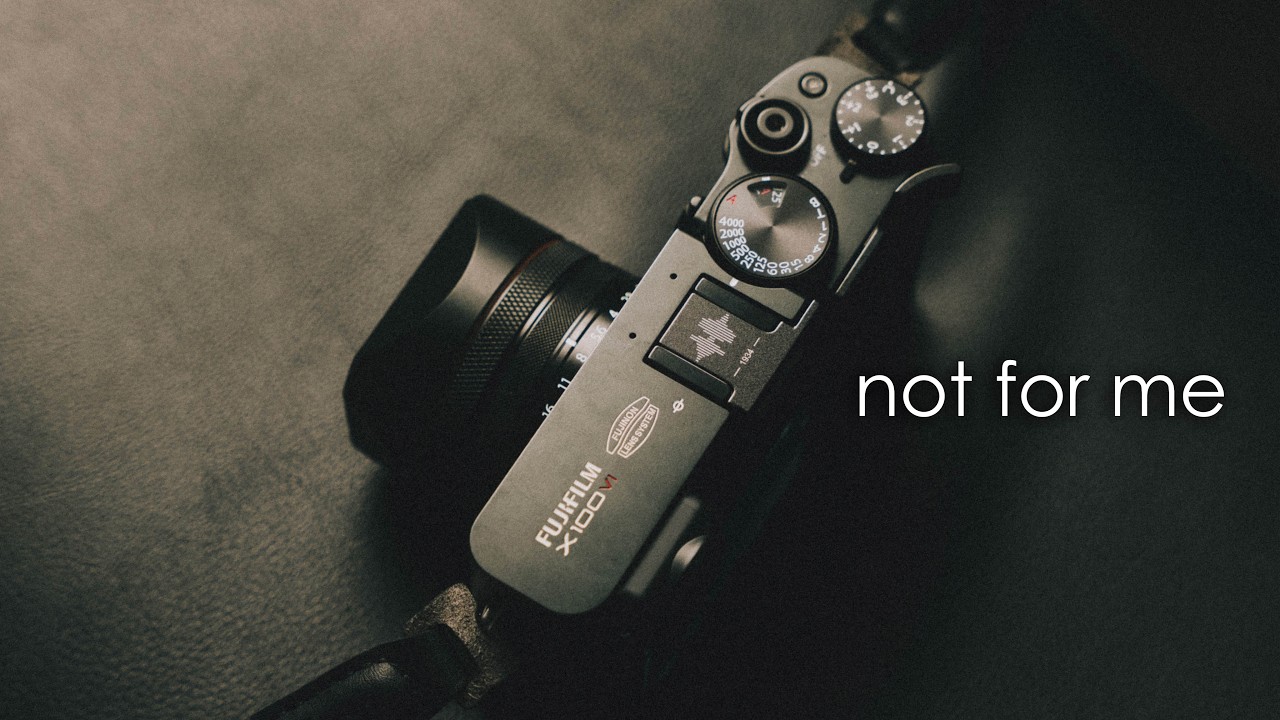
TL;DR
- The Fujifilm X100VI was an incredible compact camera, but its AED 7,350 price point and specific use case meant it wasn't getting enough use in my kit
- High resale value made selling sensible, with rental options now providing access without the ownership commitment
- For most creators, renting premium compacts like the X100VI makes more financial sense than buying
- The camera's film simulation modes and hybrid shooting capabilities make it perfect for specific projects rather than daily use
- Consider your actual usage patterns before investing in premium compact cameras - hire cameras when you need them
I never thought I'd be writing about selling my Fujifilm X100VI so soon after buying it. This compact powerhouse had everything I thought I wanted: that iconic rangefinder styling, exceptional image quality, and Fujifilm's legendary film simulations. Yet here I am, six months later, having sold it and learned some valuable lessons about camera ownership versus rental in the process.
The decision wasn't taken lightly. The X100VI represents the pinnacle of Fujifilm's compact camera engineering, but sometimes the best camera isn't necessarily the right camera for your specific needs. Through LighRent, I've discovered that strategic equipment rental often makes more sense than accumulating gear that sits idle for weeks at a time.
This isn't a review bashing the X100VI - it's genuinely brilliant. Instead, it's an honest reflection on modern camera ownership, the hidden costs of premium gear, and why the rental economy might be the future for many content creators.
The X100VI Promise vs Reality
When Fujifilm announced the X100VI, the photography community went wild. Here was the camera that finally addressed every complaint about its predecessors: better battery life, improved autofocus, in-body image stabilisation, and 6.2K video recording. On paper, it was perfect.
The reality proved more nuanced. Yes, the image quality was exceptional - those colours and film simulations are genuinely magical. The 40MP sensor delivered stunning detail, and the new IBIS system made handheld shooting far more reliable. But several factors made me question whether ownership was the right approach.
The Usage Pattern Problem
I bought the X100VI with grand plans. Street photography, travel documentation, daily carry camera - it was going to revolutionise my approach to personal work. The compact form factor meant I'd always have a proper camera with me, not just my phone.
Three months in, I realised the harsh truth: I was using it perhaps twice a month. My professional work demanded larger sensor cameras and interchangeable lenses. Personal projects often required the same. The X100VI lived in my bag more than it lived in my hands.
For creators working across multiple platforms, the Fujifilm range offers incredible diversity. But owning every tool doesn't make economic sense when usage patterns are sporadic.
The Fixed Lens Limitation
That beautiful 23mm f/2 lens (35mm equivalent) is simultaneously the X100VI's greatest strength and biggest limitation. It's perfectly crafted for the camera, offering excellent sharpness and character. But it's also completely inflexible.
Coming from a background of interchangeable lens systems, I found myself constantly wishing for a longer or wider perspective. The digital teleconverter modes help, but they're crops that sacrifice resolution. For the price point, that limitation became increasingly frustrating.
| Aspect | X100VI Strength | X100VI Limitation |
|---|---|---|
| Lens | Perfectly matched optics | No flexibility, 35mm equivalent only |
| Size | Ultra-portable | Small for professional handling |
| Price | High resale value | AED 7,350+ for limited use cases |
| Video | 6.2K recording | Overheating in extended shoots |
The Economics of Premium Compact Ownership
Let's talk numbers, because the financial aspect of gear ownership rarely gets the attention it deserves. The X100VI retails for around AED 7,350, making it one of the most expensive compact cameras available. Factor in insurance, depreciation, and opportunity cost, and the true cost of ownership becomes significant.
Hidden Ownership Costs
Beyond the initial purchase price, premium cameras carry ongoing costs that many creators overlook. Insurance for a AED 7,350 camera runs approximately AED 920-300 annually. Depreciation, even on sought-after models like the X100VI, averages 20-30% in the first year.
Then there's the opportunity cost - that AED 7,350 could be invested elsewhere or used for rental fees across multiple different camera systems as projects demand. When I calculated my actual usage versus cost per shoot, the numbers were sobering.
"The best camera is the one you have with you, but the smartest camera is the one you can afford to use without financial stress. Rental eliminates the anxiety of expensive gear depreciation while providing access to cutting-edge technology." - Industry equipment manager
Rental vs Purchase Analysis
Through platforms like LighRent's equipment marketplace, renting an X100VI typically costs AED 180-60 per day. For my usage pattern of roughly 8 days per year, annual rental costs would be AED 1,450-480 versus AED 7,350 purchase plus ongoing costs.
The rental approach also provides flexibility to try different camera systems. One project might benefit from the X100VI's film simulations, while another needs the versatility of a mirrorless system with interchangeable lenses.
When the X100VI Excels (And When to Rent It)
Don't mistake my decision to sell as dismissing the X100VI - it's genuinely exceptional in specific scenarios. Understanding these use cases helps determine whether ownership or rental makes more sense.
Perfect Use Cases
Street photography remains the X100VI's strongest suit. That discrete size, silent shooting modes, and exceptional low-light performance make it ideal for candid urban documentation. The film simulation modes provide instant mood and character that would require extensive post-processing with other cameras.
Travel photography also showcases the camera's strengths. The compact size eliminates the bulk and weight of larger systems, while the image quality rivals much larger cameras. Battery life, while improved, still requires planning for extended shoots.
For content creators working in social media, the X100VI's aesthetic appeal cannot be understated. The camera itself is photogenic enough to feature in behind-the-scenes content, while the distinctive image quality helps establish visual brand identity.
Professional Limitations
Where the X100VI struggles is in professional environments demanding flexibility. Wedding photographers need multiple focal lengths. Commercial shoots require specific lighting ratios that benefit from larger sensors and professional flash systems.
Video work presents mixed results. The 6.2K recording capability is impressive, but thermal management becomes problematic during extended recording sessions. The fixed lens limitation proves particularly challenging in corporate or event videography where repositioning isn't always possible.
For these professional applications, renting specific tools for specific jobs proves more practical than owning a compromise solution. The extensive camera selection available through rental platforms provides access to the exact right tool for each project.
The Rental Revolution for Content Creators
Selling the X100VI opened my eyes to how the equipment rental landscape has evolved. Modern platforms provide access to cutting-edge gear without the commitment and costs of ownership.
Strategic Equipment Access
Rather than owning multiple camera systems, today's creators can access different tools as projects demand. Need that distinctive Fujifilm colour science for a fashion shoot? Rent an X100VI for the day. Shooting a documentary requiring long lens work? Access professional telephoto systems without the AED 46,000+ investment.
This approach also enables experimentation with new technology. The X100VI's successor will inevitably arrive with improved features. Rental allows immediate access to new technology without the depreciation hit of selling existing gear.
Project-Based Thinking
The most successful modern content creators think in terms of projects rather than accumulated gear collections. Each project has specific technical requirements that can be met through strategic rental choices.
A recent commercial project required both compact discrete shooting and high-resolution studio work. Rather than compromising with owned gear, I rented an X100VI for the street portions and accessed a medium format system for studio work. The total rental cost was less than the monthly depreciation on owning both systems.
This project-based approach extends beyond cameras to support equipment. That DJI RS 5 Combo might be perfect for specific video projects, but owning it for occasional use makes little financial sense.
Rent This Equipment on LighRent
Fujifilm X100VI
The compact camera I sold - now available for rent when you need that distinctive Fujifilm look and portable form factor for street photography or travel documentation.
Browse Fujifilm Rentals
DJI RS 5 Combo
Professional gimbal stabilisation for video projects, eliminating the need for expensive ownership when smooth footage is required.
Rent DJI RS 5 Combo
Professional Camera Systems
Access the latest mirrorless and DSLR systems for projects demanding maximum flexibility and professional results.
Explore Camera Rentals
Frequently Asked Questions
Why did you sell the X100VI instead of keeping it as a backup camera?The high resale value made selling financially sensible, especially given my infrequent usage patterns. Through rental platforms, I can access the camera whenever needed without the ongoing costs of ownership, insurance, and depreciation.
How much does it cost to rent a Fujifilm X100VI in the UAE?Rental prices typically range from AED 180-60 per day depending on duration and location. For occasional use, this proves much more cost-effective than purchase, especially when factoring in insurance and depreciation costs.
Is rental insurance included when hiring cameras through LighRent?Yes, rental agreements typically include comprehensive insurance coverage protecting both renter and equipment owner. This eliminates one of the major ongoing costs of camera ownership while providing peace of mind during shoots.
Can I rent cameras for extended projects or just daily use?Most platforms offer flexible rental periods from single days to several weeks or months. Extended rentals often receive discounted rates, making them cost-effective for longer projects while maintaining access to diverse camera systems.
What happens if rented equipment is damaged or stolen?