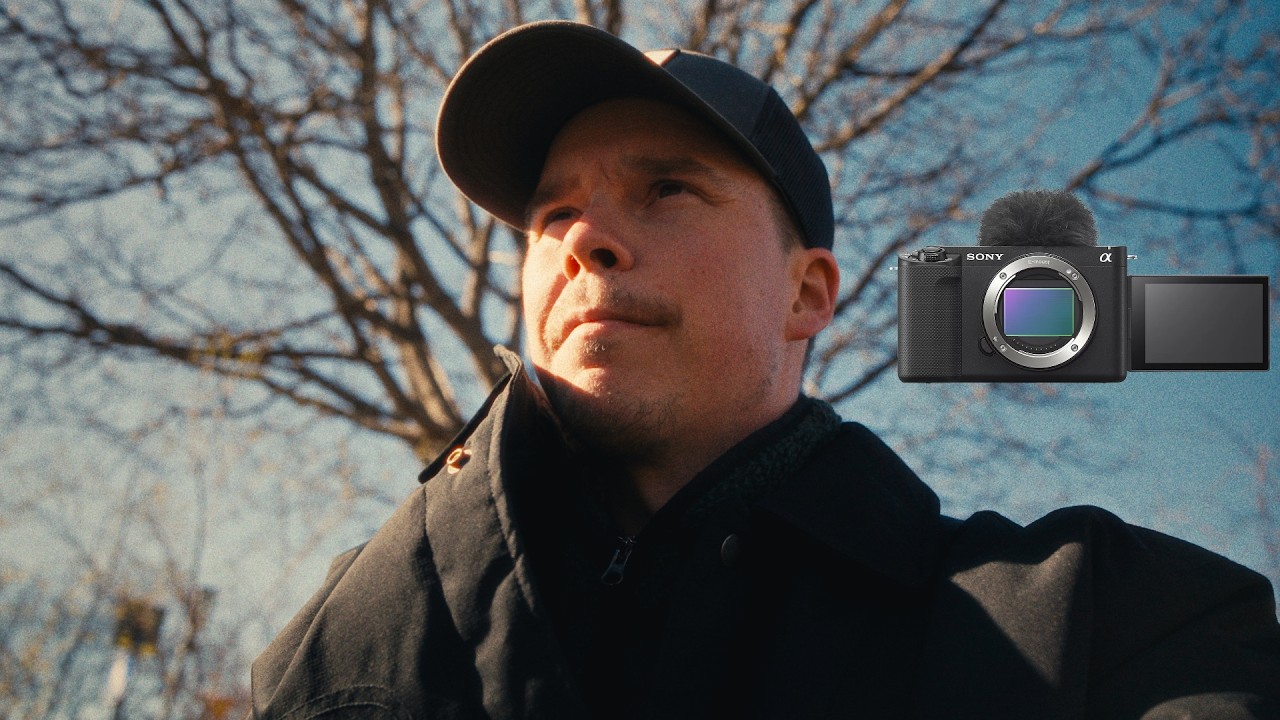
TL;DR
- The Sony ZV-E1 remains a solid choice for content creators, but diminishing returns on second purchase highlight importance of trying before buying
- Key strengths: exceptional low-light performance, AI-powered autofocus, and compact form factor ideal for solo creators
- Notable limitations: overheating in extended recording sessions, limited battery life, and premium price point
- Renting first allows you to test real-world performance before committing to purchase
- Consider pairing with quality lenses and stabilisation equipment to maximise potential
Explore Sony camera rentals on LighRent to test before you invest.
The Sony ZV-E1 has sparked considerable debate amongst content creators since its launch, and the decision to purchase it twice reveals fascinating insights about gear acquisition psychology and real-world performance expectations. After extensive field testing and comparison with alternatives, this comprehensive analysis examines whether the ZV-E1 truly delivers on its promises for professional content creation.
Understanding the true value proposition of premium camera equipment requires hands-on experience across diverse shooting scenarios. This is where platforms like LighRent prove invaluable, allowing creators to thoroughly test equipment before making substantial financial commitments. The ZV-E1's journey from initial purchase to repurchase illuminates crucial considerations for anyone evaluating this camera system.
The content creation landscape demands equipment that balances technical excellence with practical usability, and the ZV-E1 positions itself as a specialist tool for this exact purpose. However, the reality of second ownership often reveals nuances that marketing materials simply cannot convey.
Initial Impressions vs Long-Term Reality
The Sony ZV-E1 immediately impresses with its compact form factor and intuitive interface designed specifically for content creators. The camera's AI-powered subject recognition and tracking capabilities deliver exceptional performance in controlled environments, making it particularly appealing for YouTube creators and social media professionals who require reliable autofocus during solo recording sessions.
However, extended use reveals both strengths and limitations that become apparent only through sustained professional application. The camera's full-frame sensor delivers outstanding image quality, particularly in low-light conditions where many competing cameras struggle. The integration of Sony's advanced image processing pipeline ensures clean footage even at higher ISO settings, a crucial advantage for creators working in challenging lighting conditions.
Build Quality and Ergonomics
The ZV-E1's construction reflects Sony's commitment to professional-grade durability whilst maintaining the portability that content creators demand. The magnesium alloy body provides reassuring rigidity without excessive weight, though the compact design does present some ergonomic challenges during extended handheld shooting sessions.
The flip-out LCD screen mechanism feels robust and provides excellent visibility in various lighting conditions. However, the limited button customisation options may frustrate users transitioning from more traditional camera systems. This ergonomic consideration becomes particularly relevant when evaluating rental options through camera hire services, as short-term users need intuitive operation without extensive setup time.
Performance Under Pressure
Real-world testing reveals the ZV-E1's performance characteristics under various operational stresses. The camera excels in controlled studio environments and outdoor shooting with moderate ambient temperatures. However, thermal limitations become apparent during extended 4K recording sessions, particularly when shooting in direct sunlight or warm indoor environments.
The autofocus system demonstrates remarkable sophistication in tracking subjects across complex movements, though occasional hunting occurs in extremely low-light conditions or when subjects lack sufficient contrast. These performance nuances underscore the importance of rental testing before purchase, as individual shooting styles and requirements significantly impact user experience.
Technical Specifications and Real-World Performance
The ZV-E1's technical foundation centres on Sony's 12.1-megapixel full-frame CMOS sensor, optimised for video capture rather than still photography. This sensor design choice reflects the camera's content creation focus, prioritising video performance characteristics over traditional photography metrics.
| Specification | Sony ZV-E1 | Rental Cost (Weekly) | Purchase Price |
|---|---|---|---|
| Sensor | 12.1MP Full-Frame CMOS | AED 410-AED 550 | AED 11,500 |
| Video Recording | 4K 120p, FHD 240p | Included | Included |
| Image Stabilisation | 5-axis in-body | Included | Included |
| Battery Life | 95 minutes (4K recording) | Extra batteries available | Additional purchase required |
| Weight | 483g (body only) | N/A | N/A |
Video Quality and Codec Options
The ZV-E1's video quality represents its primary strength, delivering exceptional dynamic range and colour reproduction across various recording formats. The camera supports multiple codec options, including XAVC S-I for professional post-production workflows and XAVC HS for efficient file management during extended shooting sessions.
The implementation of Sony's S-Cinetone colour science provides pleasing skin tones straight from the camera, reducing post-production colour grading requirements for many content creators. However, the full potential of this colour science becomes apparent only when paired with appropriate lenses, making lens selection crucial for optimal results. Consider exploring Sony FE prime lenses to maximise image quality potential.
Audio Capabilities
Audio recording capabilities often differentiate content creation cameras from traditional photography-focused models, and the ZV-E1 includes several features designed specifically for video production. The built-in three-microphone array provides directional audio pickup with wind noise reduction, though external microphone options remain preferable for professional applications.
The camera's audio monitoring capabilities include real-time level displays and headphone monitoring, essential features for creators who prioritise sound quality. The inclusion of a 3.5mm microphone input and multi-interface shoe provides flexibility for various audio recording configurations.
Comparing Alternatives and Market Position
The content creation camera market offers numerous alternatives to the ZV-E1, each with distinct advantages and limitations. Understanding these alternatives becomes crucial when evaluating whether a second purchase represents optimal value allocation within a broader equipment ecosystem.
"The ZV-E1 excels in specific use cases but struggles to justify its premium pricing when compared to more versatile alternatives. Content creators must carefully evaluate their shooting requirements against the camera's specialist feature set." - Professional videographer and LighRent partner
Canon's R8 and Panasonic's GH7 present compelling alternatives with different strengths and price points. The R8 offers superior battery life and more comprehensive still photography capabilities, whilst the GH7 provides better thermal management and more extensive video recording options. These comparisons become particularly relevant for creators considering equipment rental strategies.
Lens Ecosystem Considerations
Sony's E-mount lens ecosystem represents one of the ZV-E1's significant advantages, offering extensive native lens options from both Sony and third-party manufacturers. This ecosystem depth provides long-term flexibility and investment protection, crucial considerations for professional content creators building comprehensive kit collections.
The camera's full-frame sensor maximises lens compatibility and image quality potential, though the associated costs of premium glass can quickly escalate total system expenses. This cost consideration makes rental testing of complete camera and lens combinations particularly valuable before committing to purchases.
Stabilisation and Movement
The ZV-E1's in-body image stabilisation system provides effective compensation for handheld shooting, though gimbal support remains beneficial for more dynamic movement sequences. The camera's compact form factor makes it well-suited for various stabilisation platforms, from compact gimbals to more sophisticated camera support systems.
For creators prioritising smooth camera movement, pairing the ZV-E1 with professional stabilisation equipment like the DJI RS 5 Combo creates a powerful combination for dynamic content creation. This equipment combination demonstrates the importance of considering complete system costs rather than individual component prices.
Cost Analysis: Purchase vs Rental Strategies
The financial implications of purchasing the ZV-E1 twice reveal important insights about equipment acquisition strategies and total cost of ownership. Beyond the initial purchase price, ongoing costs include additional batteries, memory cards, lens investments, and potential repair or replacement expenses.
Rental strategies through platforms like LighRent's equipment marketplace provide alternative approaches to accessing premium equipment without the full financial commitment. For creators with inconsistent shooting schedules or those exploring new creative directions, rental options often provide superior financial flexibility.
Break-Even Analysis
Calculating the break-even point between purchase and rental requires honest assessment of actual usage patterns rather than optimistic projections. Many content creators overestimate their equipment usage frequency, making rental strategies more cost-effective than initially apparent.
The ZV-E1's rental rates typically range from AED 410-AED 550 per week, meaning the break-even point occurs after approximately 20-25 weeks of usage over the camera's useful lifespan. This calculation excludes additional costs such as insurance, maintenance, and depreciation, which further favour rental strategies for many users.
Flexibility and Technology Evolution
The rapid pace of camera technology evolution represents another crucial factor in purchase decisions. The ZV-E1's feature set, whilst impressive at launch, may become less competitive as newer models introduce enhanced capabilities or address current limitations.
Rental strategies provide immunity to technology depreciation whilst ensuring access to current equipment. This approach proves particularly valuable for content creators who benefit from staying current with latest technology trends without bearing the full cost of ownership.
Practical Applications and Use Cases
The ZV-E1's design philosophy targets specific content creation scenarios, and its performance varies significantly across different applications. Understanding these use case variations helps potential users evaluate whether the camera aligns with their specific requirements.
For YouTube creators and social media content producers working in controlled environments, the ZV-E1 delivers exceptional value through its specialist features and intuitive operation. The camera's AI-powered subject tracking and automatic exposure adjustments reduce technical complexity, allowing creators to focus on content rather than camera operation.
Event Documentation and Run-and-Gun Shooting
The camera's compact form factor and reliable autofocus make it suitable for event documentation and spontaneous content creation. However, thermal limitations and battery life constraints require careful planning for extended shooting sessions. Backup equipment and power management strategies become essential for professional applications.
The ZV-E1's low-light performance provides advantages in challenging venue conditions, though external lighting equipment often proves necessary for optimal results. This equipment interdependency reinforces the importance of considering complete system requirements rather than individual camera capabilities.
Studio and Controlled Environment Applications
In controlled studio environments, the ZV-E1 demonstrates its full potential through consistent performance and predictable behaviour. The camera's thermal management proves less problematic with proper ventilation and moderate ambient temperatures, allowing for extended recording sessions.
Professional studios often benefit from equipment rental strategies that provide access to multiple camera systems for different projects. The ability to test various camera and lens combinations through rental services like those available through