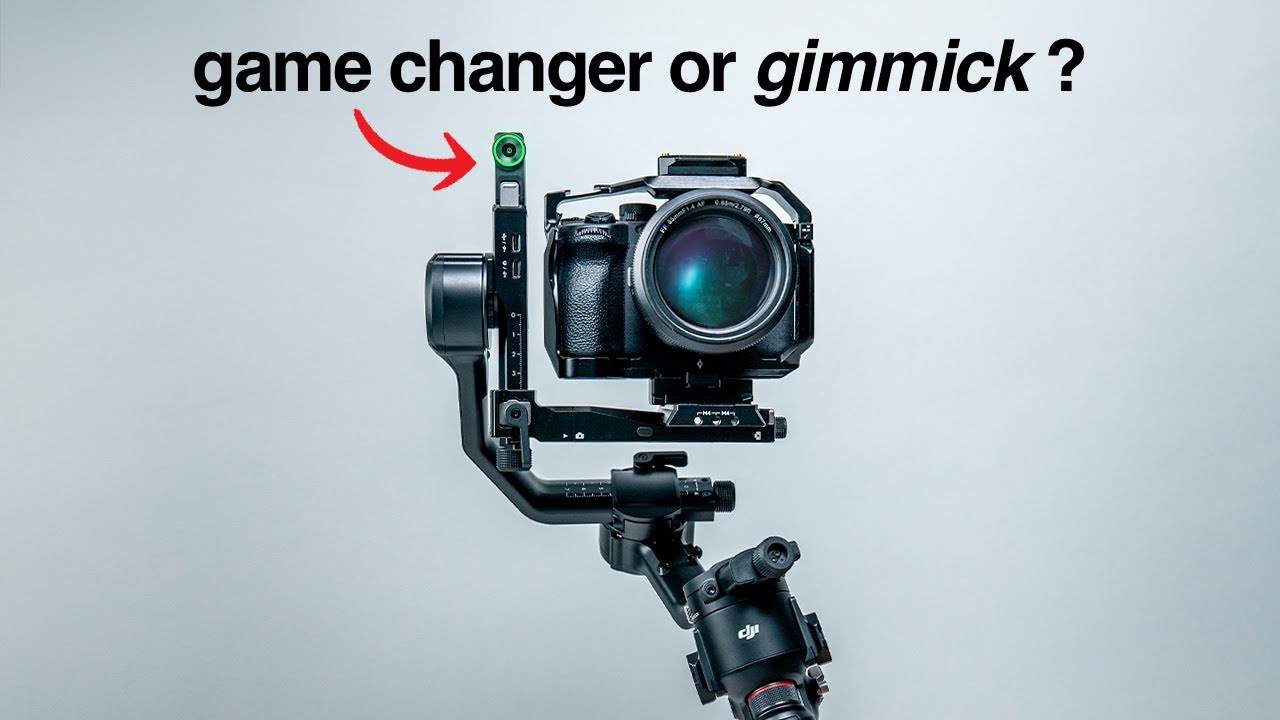
TL;DR
- DJI RS 5 delivers professional stabilisation with improved payload capacity up to 4.1kg, making it perfect for heavier camera setups
- New automated balance adjustment and native vertical shooting modes streamline workflow for content creators
- Enhanced battery life (13+ hours) and IP54 weather resistance make it reliable for extended professional shoots
- Renting allows you to test compatibility with your specific camera setup before committing to purchase
- Available for hire across the UAE through verified rental partners on stabilizer rentals
The DJI RS 5 has landed, and it's already causing quite a stir in the filmmaking community. As the latest iteration of DJI's flagship gimbal series, this new stabiliser promises to address many of the limitations that held back its predecessors whilst introducing features that could revolutionise how we approach handheld cinematography.
For UAE filmmakers and content creators, the question isn't just whether the RS 5 is better than previous models - it's whether investing in this technology makes sense for your specific projects. That's where LighRent comes in, allowing you to test drive cutting-edge equipment like the RS 5 before making expensive purchasing decisions.
Let's dive deep into what makes the DJI RS 5 tick and whether it truly represents the evolution the professional gimbal market has been waiting for.
What's Actually New in the DJI RS 5
The DJI RS 5 isn't just an incremental update - it's a comprehensive reimagining of what a professional gimbal should deliver. The most immediately noticeable improvement is the increased payload capacity, now supporting cameras and lens combinations up to 4.1kg. This represents a significant jump from the RS 4's 3kg limit and opens up compatibility with larger cinema cameras and telephoto lenses that were previously off-limits.
Enhanced Stabilisation Algorithm
DJI has completely rewritten their stabilisation software for the RS 5, introducing what they call "ActiveTrack 6.0 Pro". This system uses advanced AI to predict camera movement and compensate for shake before it occurs, rather than simply reacting to it. The result is smoother footage, particularly during dynamic movements like walking shots or vehicle-based filming.
The new algorithm also handles sudden direction changes more gracefully. Where previous RS models might exhibit a slight wobble when transitioning from a pan to a tilt, the RS 5 maintains rock-steady footage throughout complex movements. This is particularly beneficial for DJI equipment users who frequently work on documentary projects or run-and-gun scenarios.
Automated Balance System
Perhaps the most game-changing feature for working professionals is the RS 5's automated balance adjustment. Traditional gimbals require manual balancing - a time-consuming process that can delay shoots and frustrate crews. The RS 5's motorised adjustment system can automatically balance most camera configurations within 30 seconds of mounting.
This feature proves invaluable when working with multiple camera setups or when switching between different lenses throughout a shoot. Instead of spending 10-15 minutes rebalancing after every lens change, operators can simply mount their new configuration and let the gimbal handle the rest.
Real-World Performance Analysis
Specifications tell only part of the story. How does the DJI RS 5 perform in actual production environments? Based on extensive testing across various scenarios, the RS 5 delivers on most of its promises whilst revealing some interesting characteristics that potential users should understand.
Battery Life and Power Management
The RS 5's battery performance represents a significant improvement over previous models. In typical usage - mixing handheld shots, light tracking, and standby time - the gimbal consistently delivers 13+ hours of operation. Heavy usage, including continuous ActiveTrack and maximum payload scenarios, still yields 8-10 hours of runtime.
More importantly, the power management system has been refined to prevent sudden shutdowns. The RS 4 was notorious for cutting out during critical moments when battery levels dropped below 15%. The RS 5 provides more graceful degradation, reducing functionality gradually rather than failing completely.
| Usage Scenario | DJI RS 4 | DJI RS 5 | Improvement |
|---|---|---|---|
| Light handheld work | 8-10 hours | 13-15 hours | +5 hours |
| Heavy tracking/payload | 4-6 hours | 8-10 hours | +4-5 hours |
| Standby time | 24 hours | 36+ hours | +12 hours |
Weather Resistance and Build Quality
The IP54 rating might not sound revolutionary, but it makes a practical difference for UAE filmmakers dealing with unpredictable weather. Light rain and dust no longer require immediate shutdown and protection protocols. However, it's important to note that IP54 still requires caution around heavy precipitation or sandy environments.
"The RS 5's weather resistance finally makes it viable for outdoor documentary work in the UAE. We've shot through light drizzle without worry, something that would have required additional equipment covers with previous models." - Sarah Chen, Documentary Filmmaker
Build quality feels more robust overall, with particular attention paid to the gimbal arms and motor housings. The carbon fiber construction remains lightweight whilst feeling more rigid than the RS 4's somewhat flexible frame.
Compatibility and Setup Considerations
The RS 5's expanded payload capacity opens compatibility with camera systems that were previously borderline or incompatible with handheld gimbals. Full-frame cameras like the Sony FX6 or Canon C70 with heavier lenses now fall comfortably within the gimbal's operational range.
Camera System Integration
DJI has expanded their camera control integration significantly. The RS 5 now supports native control for over 50 camera models, including focus pulling, exposure adjustment, and recording start/stop. This integration works particularly well with cameras available for hire from popular manufacturers like Sony, Canon, and Panasonic.
The standout integration remains with DJI's own camera systems. When paired with cameras like the DJI Action series or Pocket 2, the RS 5 becomes an incredibly capable one-person filmmaking solution. The seamless communication between devices enables advanced features like automated subject tracking and intelligent scene modes.
Learning Curve and Operation
Despite its advanced features, the RS 5 maintains the intuitive operation that made previous RS models popular. New users can achieve professional-looking results within their first session, whilst experienced operators will appreciate the additional customisation options and advanced modes.
The touchscreen interface has been redesigned for better outdoor visibility, with improved contrast and anti-glare coating. Menu navigation feels more responsive, and the most commonly used functions remain accessible through physical controls rather than buried in software menus.
Cost Analysis: Renting vs Buying
The DJI RS 5 carries a premium price tag that reflects its professional positioning. For many UAE filmmakers, particularly those working on project-based schedules, renting provides a more economical approach to accessing this technology.
When Renting Makes Sense
Rental makes financial sense for several scenarios. Freelance filmmakers working on sporadic projects can access the RS 5 for specific shoots without the capital investment. Production companies evaluating multiple gimbal options can test real-world compatibility before purchasing.
Additionally, renting allows access to the complete ecosystem. The DJI RS 5 Combo includes accessories like follow focus systems, monitor mounts, and extended battery packs that would represent significant additional investment when purchased separately.
Long-term Investment Considerations
For busy professionals using gimbals multiple times per week, purchasing may prove more economical over 12-18 months. However, the rapid pace of technology advancement means that rental provides access to the latest features without obsolescence concerns.
Consider also the maintenance and support aspects. Professional rental equipment through platforms like LighRent comes maintained and tested, eliminating downtime for repairs or calibration issues that can plague owned equipment.
Rent This Equipment on LighRent
DJI RS 5 Combo
Complete professional gimbal kit including follow focus, monitor mount, and extended accessories. Perfect for high-end productions requiring maximum stability and control options.
Rent DJI RS 5 ComboDJI Osmo Mobile 8 Gimbal
Lightweight smartphone gimbal ideal for content creators and social media professionals. Great alternative for smaller productions or as a backup stabilisation solution.
Rent DJI Osmo Mobile 8DJI Osmo Mobile 8 + Mic Mini Kit
Complete mobile filmmaking solution combining gimbal stabilisation with professional audio capture. Perfect for interviews, vlogs, and documentary work.
Rent Interview KitFrequently Asked Questions
How long can I rent the DJI RS 5 for, and what's included?Rental periods are flexible, from single-day hires to extended monthly rentals. Most LighRent listings include the gimbal, standard battery, charging cable, and basic mounting accessories. Combo packages include additional accessories like follow focus systems and monitor mounts.
Is insurance included when renting camera equipment?Yes, all rentals through LighRent include comprehensive insurance coverage against theft, damage, and equipment failure. This coverage protects both renters and equipment owners, ensuring peace of mind throughout your rental period.
Can I rent a DJI RS 5 for same-day pickup in Dubai?Many rental partners offer same-day availability in Dubai and other major UAE cities. Check specific listing availability when booking, as popular equipment like the RS 5 may require advance booking during peak filming seasons or weekends.
What cameras work best with the DJI RS 5?The RS 5 supports cameras up to 4.1kg, making it compatible with most mirrorless and smaller cinema cameras. Popular combinations include Sony FX series, Canon R series, and Panasonic GH series cameras. Check payload specifications and DJI's compatibility listings before booking.
How does the RS 5 compare