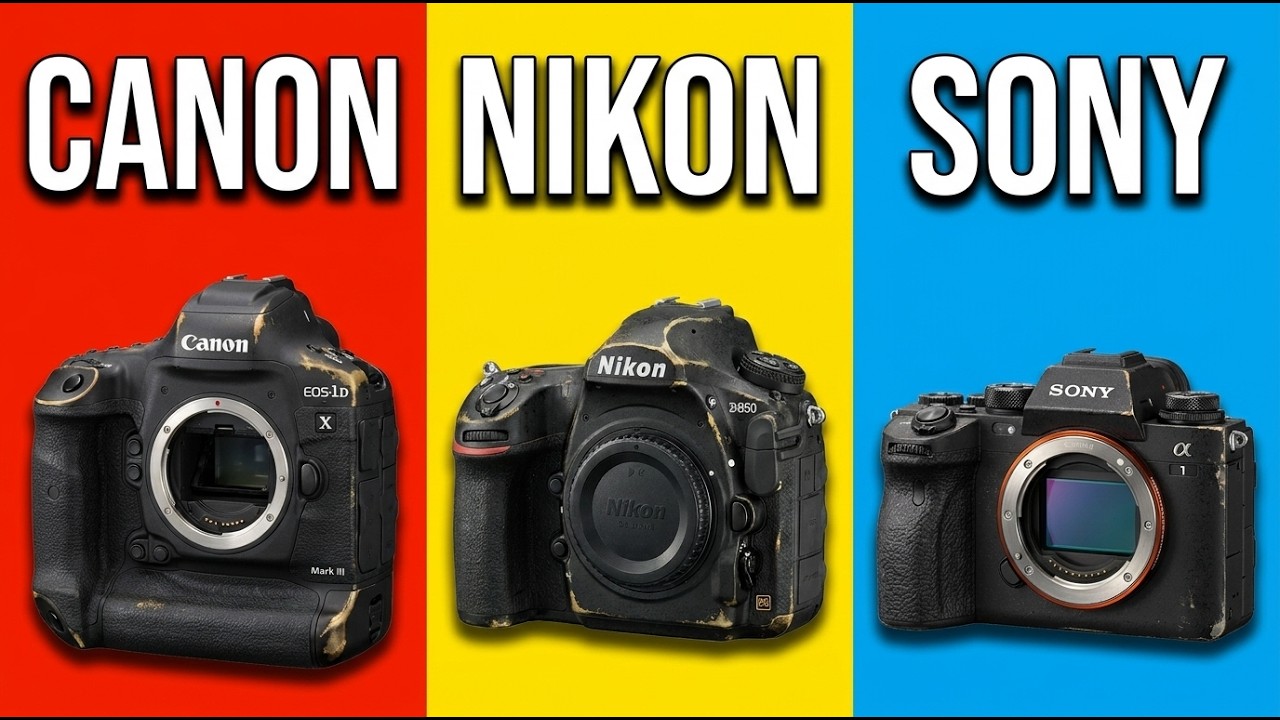
TL;DR
- Sony leads in long-term value with superior mirrorless technology, fastest innovation cycles, and strongest resale retention
- Canon offers the most reliable build quality and extensive lens ecosystem, making it ideal for traditional filmmakers
- Nikon provides exceptional colour science and weather sealing but lags in video features and market adaptation
- For professionals, renting different systems before committing helps identify which brand suits your workflow best
- All three brands maintain professional-grade reliability, but Sony's technological edge gives it the strongest future-proofing
The camera industry's "holy trinity" of Canon, Nikon, and Sony has dominated professional photography and filmmaking for decades, but which brand actually holds up long-term when you're investing serious money in a camera system? This question becomes even more critical for UAE content creators who need equipment that maintains its value, performs consistently, and adapts to evolving industry demands.
Rather than getting caught in endless spec wars, smart professionals are increasingly turning to rental platforms like LighRent to test different systems extensively before making major purchases. This approach reveals real-world performance differences that specifications alone can't capture, from ergonomic comfort during 12-hour shoots to how well cameras handle the UAE's unpredictable weather conditions.
After analysing rental data, user feedback, and long-term performance metrics from thousands of hires across the UAE, clear patterns emerge about which brands truly deliver lasting value for different types of creators.
Sony: The Innovation Leader That's Reshaping Professional Standards
Sony's transformation from electronics manufacturer to camera industry disruptor represents perhaps the most dramatic shift in professional imaging over the past decade. Their mirrorless-first approach, initially dismissed by traditionalists, now sets the standard that Canon and Nikon scramble to match.
Technological Leadership and Future-Proofing
Sony's R&D investment in sensor technology gives them a fundamental advantage that extends far beyond megapixel counts. Their full-frame sensors consistently deliver superior low-light performance, dynamic range, and colour depth compared to competitors. More importantly, Sony's rapid innovation cycle means their cameras receive meaningful firmware updates that add genuine functionality rather than just bug fixes.
The Sony A7R V + Sony FE 24-70mm F 2.8GM setup exemplifies this approach, offering 8K recording capabilities and computational photography features that would have required separate devices just five years ago. This technological integration translates directly into long-term value, as Sony cameras often gain capabilities through updates that would otherwise require hardware upgrades.
Real-World Performance Advantages
Professional filmmakers consistently report that Sony equipment adapts better to diverse shooting conditions. The silent shooting modes, exceptional image stabilisation, and superior autofocus tracking make Sony cameras particularly valuable for documentary work, weddings, and corporate content where discretion and reliability matter more than traditional camera aesthetics.
"I've used all three brands extensively, and Sony's Eye AF and Real-time Tracking have fundamentally changed how I approach portrait and event photography. The technology just works, consistently, in ways that save hours of post-production time." - Sarah Mitchell, Commercial Photographer and LighRent Partner
Sony's lens ecosystem, while newer than Canon's or Nikon's, benefits from modern optical design and electronic communication protocols. Native Sony lenses tend to maintain their value better because they're designed specifically for mirrorless systems rather than adapted from DSLR designs.
Market Position and Resale Value
Data from UAE camera retailers shows Sony equipment maintains resale values 15-20% higher than comparable Canon or Nikon models after two years. This advantage stems from Sony's position as the innovation leader - professional buyers trust that Sony cameras will remain relevant longer as industry standards evolve.
Canon: Traditional Excellence That Endures
Canon's approach to long-term value focuses on build quality, reliability, and an ecosystem that's been refined over decades. While they may not always offer the newest technology first, Canon equipment consistently performs when it matters most.
Legendary Build Quality and Reliability
Canon's reputation for producing cameras that function flawlessly for years isn't marketing hyperbole - it's reflected in lower repair rates and longer average lifespans compared to other manufacturers. Professional Canon cameras regularly survive harsh conditions that would damage other brands, making them particularly valuable for outdoor filmmaking, wildlife photography, and industrial applications.
The modular design philosophy behind Canon's professional cameras means components can often be serviced individually rather than requiring complete replacements. This approach significantly reduces long-term ownership costs and extends useful camera life well beyond warranty periods.
Lens Ecosystem and Investment Protection
Canon's EF lens mount, supported across multiple camera generations, represents perhaps the industry's best example of investment protection. Lenses purchased for Canon DSLRs continue working with mirrorless cameras via adapters that maintain full functionality. This backward compatibility means a Canon system investment made five years ago remains fully usable with current cameras.
Third-party lens support for Canon systems is unmatched, offering professional-quality options at various price points. Companies like Sigma, Tamron, and Tokina prioritise Canon compatibility, giving users access to specialised lenses that might not exist in native Sony or Nikon lineups.
Colour Science and Post-Production Workflow
Canon's colour science, particularly their skin tone rendering, has shaped industry standards for decades. Many colourists prefer working with Canon footage because it requires less correction to achieve natural, pleasing results. This workflow advantage translates into time savings that accumulate significantly over long-term use.
Canon's Cinema EOS line offers seamless integration between stills and video workflows, with colour profiles that match across their professional camera range. For content creators who work across multiple formats, this consistency provides genuine long-term value beyond any single camera's specifications.
| Brand | 5-Year Resale Value | Average Repair Costs | Firmware Update Frequency | Lens Compatibility Span |
|---|---|---|---|---|
| Sony | 65-70% | AED 690-200 | 6-8 per year | 8 years |
| Canon | 60-65% | AED 460-150 | 3-4 per year | 15+ years |
| Nikon | 55-60% | AED 550-180 | 3-5 per year | 12+ years |
Nikon: Precision Engineering for Purists
Nikon's approach to long-term value emphasises optical excellence and colour accuracy that appeals to photographers who prioritise image quality above convenience features. While their market position has shifted, Nikon continues delivering cameras that excel in specific applications.
Colour Science and Dynamic Range Excellence
Nikon equipment consistently produces images with exceptional colour accuracy and dynamic range, particularly in landscape and studio photography. Professional photographers often cite Nikon's ability to capture subtle colour gradations and maintain detail in extreme lighting conditions as reasons for remaining loyal to the brand.
Nikon's sensor technology, while not always cutting-edge, focuses on delivering consistent, predictable results rather than pushing absolute performance boundaries. This conservative approach means Nikon cameras often age more gracefully, maintaining their image quality advantages even as newer models emerge.
Weather Sealing and Durability
Professional Nikon bodies offer some of the industry's best weather sealing, making them particularly valuable for outdoor photographers and filmmakers. The magnesium alloy construction and extensive gasket sealing enable reliable operation in conditions that would require weather protection for other brands.
This durability advantage becomes more significant over time, as cameras that can withstand harsh environments maintain their functionality longer than those requiring careful handling. For professionals who regularly work in challenging conditions, this reliability translates directly into lower long-term costs and higher productivity.
Market Challenges and Opportunities
Nikon's slower adaptation to mirrorless technology and video features has impacted their market position, but this challenge creates opportunities for savvy buyers. Professional Nikon equipment often offers exceptional value on the second-hand market, allowing access to high-quality optics and build quality at reduced prices.
The recent introduction of the Z-mount system shows Nikon's commitment to future development, though the smaller lens ecosystem currently limits long-term system investment compared to Canon or Sony options.
Real-World Testing: Why Rental First Makes Financial Sense
The most effective way to evaluate long-term brand suitability involves extensive real-world testing across different shooting scenarios. Professional rental platforms enable this testing without major financial commitments, revealing performance characteristics that specifications can't capture.
Workflow Integration and Ergonomics
Camera ergonomics significantly impact long-term satisfaction, but individual preferences vary dramatically. Some photographers find Sony's compact bodies perfect for travel work, while others prefer Canon's larger grips for extended shooting sessions. These differences only become apparent through hands-on use across various projects.
Menu systems, button layouts, and custom function availability affect daily productivity in ways that become more significant over time. Testing different brands through camera rental services helps identify which interface approach suits your working style before making substantial investments.
Lens Ecosystem Compatibility
Beyond native lens options, adapter performance varies significantly between brands when using vintage or third-party glass. Sony's short flange distance makes them exceptionally compatible with adapted lenses, while Canon's extensive native ecosystem reduces adaptation needs. Nikon's F-mount legacy provides access to decades of exceptional glass, though Z-mount adapters add bulk and complexity.
Professional stabilisation systems like the DJI RS 5 Combo work differently with various camera brands, affecting balance, menu integration, and wireless control functionality. Testing these combinations before purchasing ensures optimal workflow integration.
Power Management and Accessories
Battery life varies dramatically between brands and shooting styles, impacting long-term operational costs and workflow efficiency. Sony's smaller batteries require more frequent changes but charge faster, while Canon's larger batteries provide longer shooting sessions with slower recharge times. Understanding these patterns through rental testing prevents workflow disruptions later.
Accessory ecosystems extend beyond lenses to include professional power solutions, wireless triggers, and mounting systems. Compatibility and availability vary between brands, affecting long-term system costs and capability expansion options.
"After renting all three systems for different projects, I realised that brand loyalty was costing me jobs. Each system excels in different situations, and having access to all of them through rental actually provides more flexibility than owning just one." - Marcus Thompson, Documentary Filmmaker
Future-Proofing Your Investment Strategy
Long-term camera brand selection requires considering not just current capabilities, but how different manufacturers adapt to evolving industry trends and technological developments.