TL;DR
- The Canon EOS R6 Mark III and Canon C70 serve very different production roles - understanding open gate on each camera changes how you plan your A-cam and B-cam workflow entirely.
- Open gate on the C70 delivers a true Super35 sensor readout with exceptional latitude; the R6 III's open gate mode offers a more flexible full-frame crop for reframing in post.
- For narrative and documentary work, the C70 earns the A-cam seat; the R6 III shines as a nimble, travel-friendly B-cam that punches above its weight.
- Renting before committing to either camera is the smartest move - test your workflow on a real shoot before spending thousands.
- Browse Canon Rental on LighRent to find both cameras available from verified UAE owners.
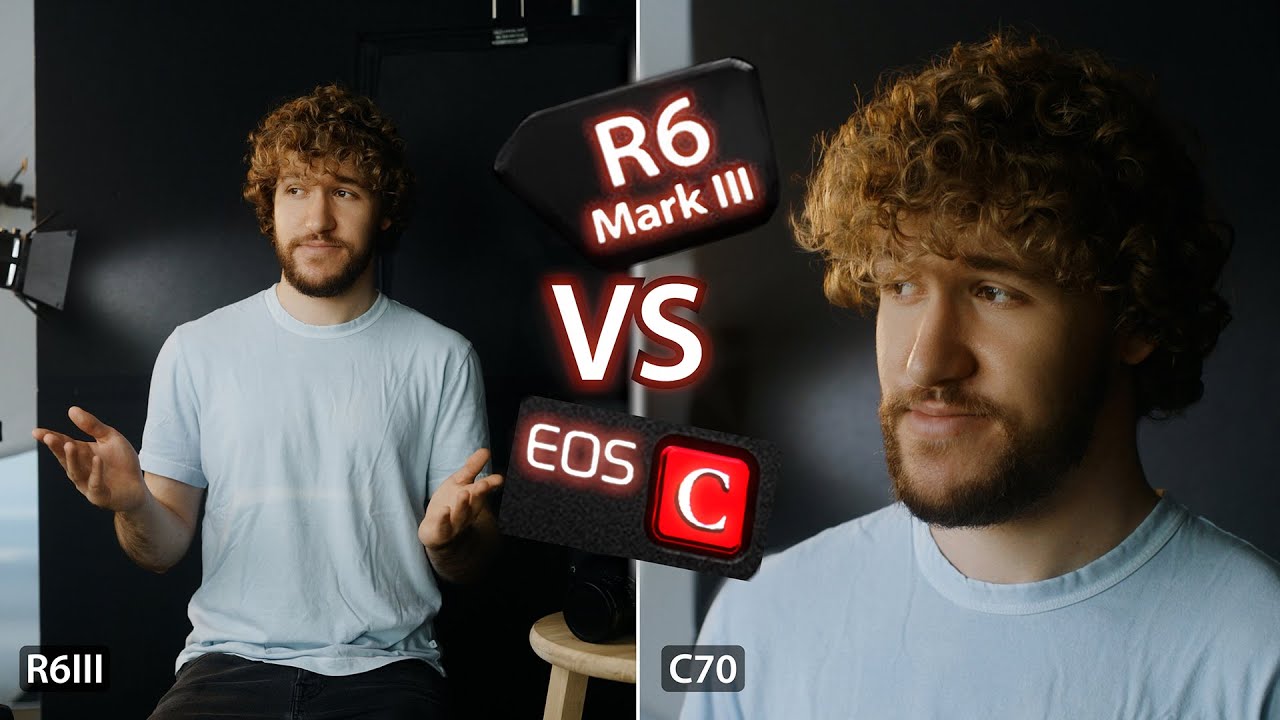
Whether you are deep in pre-production on a short film, planning a documentary run-and-gun shoot, or building a versatile two-camera interview setup, the question of Canon R6 Mark III vs C70 for open gate shooting will almost certainly come up. Both cameras sit in Canon's Cinema EOS and mirrorless ecosystems, both shoot compelling footage - but the way they handle open gate recording, sensor readout, and dual-camera workflows is genuinely quite different, and making the wrong call could cost you hours in the edit suite.
This guide breaks down the practical, real-world differences between the two cameras, with a specific focus on whether open gate makes sense for your A-cam or B-cam, and how to think about mixing the two on a single production. If you want to test either camera before buying, LighRent is the UAE's peer-to-peer camera rental marketplace where working filmmakers rent out their own kits - meaning you get battle-tested gear with genuine field notes, not warehouse stock.
We will cover sensor architecture, open gate mechanics, colour science compatibility, ergonomic considerations for multi-cam rigs, and how UAE filmmakers are actually using these two cameras together right now. By the end, you will know exactly which body deserves which role on your next shoot.
Understanding Open Gate: What It Actually Means on Each Camera
The term "open gate" gets thrown around a lot, but it means slightly different things depending on the camera system you are working with. At its core, open gate recording means the camera reads the full, or near-full, active pixel area of the sensor - no cropping, no windowing - giving you maximum resolution, maximum coverage, and the most data to work with in post-production.
Open Gate on the Canon C70
The C70 uses a Super35 sensor and records in Cinema RAW Light or XF-AVC. When you engage open gate on the C70, you are pulling a 4K readout from the full Super35 area - roughly 4096 x 3072 pixels - giving you a 4:3 aspect ratio frame. This is enormously useful for anamorphic post-production workflows, for IMAX-style 1.43:1 deliverables, and for giving your colourist maximum room to reframe, stabilise, or re-crop without any quality loss.
The C70's open gate also benefits from Canon's Dual Gain Output (DGO) sensor technology, which combines two simultaneous ISO readouts to achieve what Canon claims is 16-plus stops of dynamic range. In practice, the shadow detail and highlight rolloff in open gate mode on the C70 is exceptional - it genuinely holds up against cameras costing three times as much. You can read more about the technical spec sheet on Canon UAE's official C70 page.
Open Gate on the Canon EOS R6 Mark III
The R6 Mark III (expected to launch in 2025 and already generating significant pre-release discussion in the UAE filmmaking community) uses a full-frame BSI CMOS sensor. Open gate on a full-frame mirrorless camera means you are capturing a 3:2 sensor area rather than the 16:9 crop used in standard video modes. This gives you a slightly wider field of view - useful for correcting lens choices in post - and more vertical resolution for flexible cropping into 9:16 (vertical) or 1:1 content without sacrificing detail.
Unlike the C70, the R6 III does not use DGO. Its dynamic range is very competitive for a mirrorless camera in this class, but it does not match the C70's headline figure under challenging lighting conditions. What the R6 Mark III does offer is a dramatically smaller form factor, in-body image stabilisation (IBIS) that remains best-in-class for run-and-gun documentary work, and the ability to shoot open gate in Canon Log 3 with a colour science profile that is genuinely close to - though not identical to - the C70's Cinema EOS pipeline.
"The R6 Mark III in open gate is a revelation for B-cam work. You get that full-frame look with just enough vertical resolution to reframe for social without re-shooting. But the moment your scene has a mixed practical and daylight source, the C70's dynamic range separation becomes undeniable. Run them together and you have one of the most versatile two-camera documentary rigs available at this price point."
- UAE Documentary Cinematographer, LighRent Community
Side-by-Side: Specs That Actually Matter for Dual-Camera Workflows
Before we get into role assignment, here is a direct comparison of the specifications that will most affect your open gate shooting decisions. For the full picture on both systems, explore the Cameras for Hire section on LighRent to see real-world kit as it is actually used on UAE productions.
| Specification | Canon EOS R6 Mark III | Canon C70 |
|---|---|---|
| Sensor Size | Full-Frame BSI CMOS | Super35 DGO CMOS |
| Open Gate Resolution | ~6K 3:2 (full-frame readout) | 4K 4:3 (Super35 open gate) |
| Dynamic Range | ~14 stops (Log 3) | 16+ stops (DGO) |
| Internal RAW Recording | No (RAW out via HDMI) | Yes (Cinema RAW Light internal) |
| In-Body Stabilisation | Yes (8-stop IBIS) | No (electronic only) |
| Anamorphic Open Gate Support | Limited (via crop modes) | Full 4:3 anamorphic native |
| Colour Science | Canon Log 3 (mirrorless) | Canon Log 2 / Canon Log 3 (Cinema EOS) |
| Form Factor | Compact mirrorless | Cinema-style body with XLR |
| Battery Life (video) | ~90 mins continuous | ~180 mins (BP-A series) |
| Approximate UAE Rental (per day) | AED 280 - AED 410/day | AED 550 - AED 830/day |
The rental cost difference alone is worth factoring into your production budget. A two-day multi-camera shoot using both bodies will likely run you AED 1,600 - AED 2,300 in camera hire alone, depending on the lens package. Using Browse All Equipment on LighRent lets you filter by availability, location, and price to find the best deal from vetted UAE owners.
A-Cam vs B-Cam: Which Camera Takes Which Role?
This is the heart of the question, and the honest answer is: it depends on your project type. But we can give you a clear framework.
When the C70 Should Be Your A-Cam
If you are shooting narrative fiction, a branded documentary, a music video, or any project where grading consistency and maximum dynamic range are non-negotiable, the C70 earns the A-cam position without question. The DGO sensor architecture means your colourist has more to work with in the grade, and Cinema RAW Light gives you genuine RAW flexibility without the file size burden of a full RAW workflow.
In open gate 4:3 mode, the C70 is particularly powerful for anamorphic glass. Canon's Cinema EOS ecosystem is built for exactly this kind of production pipeline - from on-set monitoring through to DIT workflow. Pair it with a set of Sigma Cine primes or a vintage Kowa anamorphic and you have a seriously competitive A-cam at a fraction of a full cinema camera rental cost.
When the R6 Mark III Should Be Your B-Cam
The R6 III's IBIS, compact body, and near-silent shutter make it ideal for close-coverage shots, gimbal work, handheld inserts, and anything that requires the camera operator to move quickly or discreetly. In a documentary context, the R6 III can go places the C70 simply cannot - tight spaces, moving vehicles, interview cutaways that need to be captured without a full camera crew.
In open gate mode, the R6 III gives you enough resolution overhead to punch in and reframe for different aspect ratios in post, which is enormously useful for multi-platform delivery (cinema ratio + 9:16 social cut from the same original file). For gimbal operators, pairing the R6 III with a DJI RS 5 Combo creates a lightweight, stabilised B-cam rig that can follow action with impressive precision.
Colour Matching: The Real Challenge of Mixing These Two Bodies
The most common frustration filmmakers encounter when mixing the C70 and R6 III is colour matching. Both cameras shoot Canon Log 3, but the Cinema EOS colour science pipeline in the C70 handles skin tones and highlights differently from the mirrorless colour science in the R6 III. In practice, your colourist will need to apply a camera-specific LUT or a manual primary correction before the two cameras match convincingly.
The good news is that Canon's colour science is consistent enough that an experienced colourist can match them in a single grade pass. The bad news is that if you are shooting open gate on both cameras simultaneously