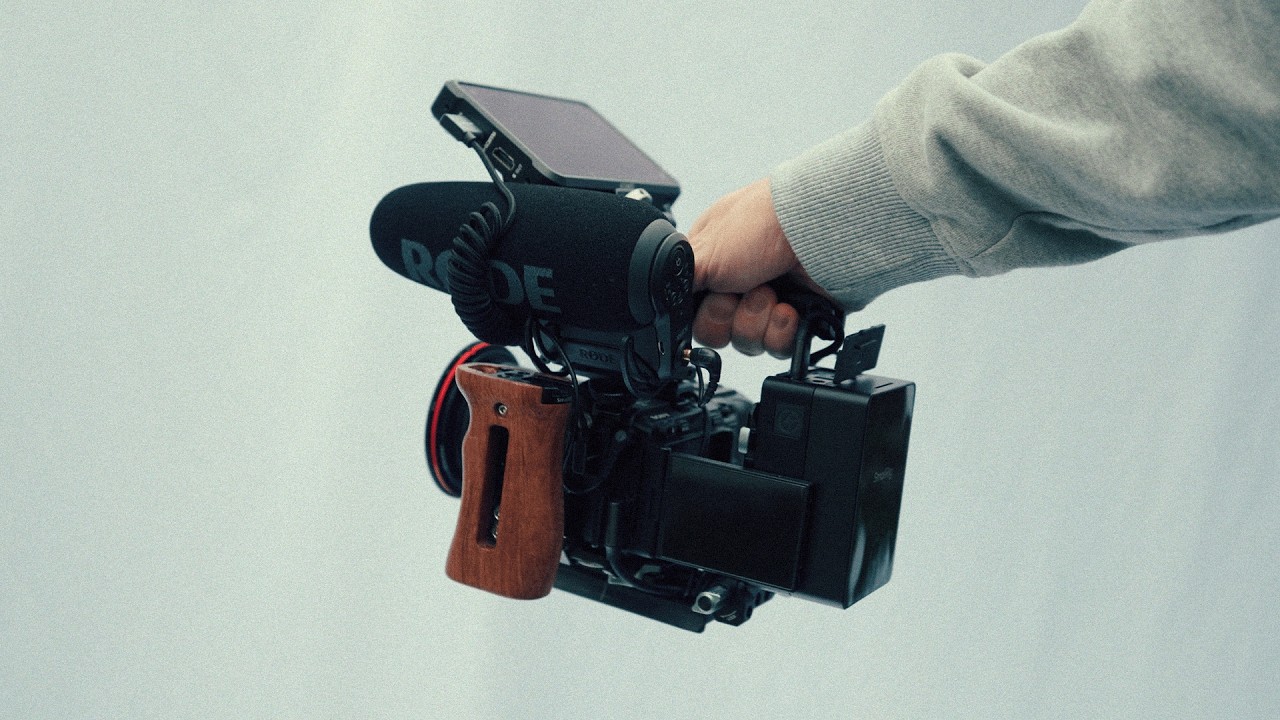
TL;DR
- A simple filmmaking setup requires just three core elements: camera, lens, and tripod
- Modern mirrorless cameras like the Sony A7 IV offer professional quality without the complexity
- Rental makes more financial sense than buying for occasional projects or testing new gear
- Good audio is crucial - invest in external recording equipment even for basic setups
- Start simple and expand your kit as your skills and projects demand more sophisticated equipment
Browse cameras on LighRent to find the perfect starter setup for your next project.
Creating compelling films doesn't require a Hollywood budget or warehouse full of equipment. A simple filmmaking setup can produce professional-quality results when you understand the fundamentals and choose the right gear for your needs. Whether you're shooting your first short film, creating content for social media, or launching a YouTube channel, the key lies in mastering a streamlined kit rather than drowning in endless equipment options.
The beauty of starting with a simple filmmaking setup is that it forces you to focus on storytelling, composition, and technique rather than getting lost in technical complexity. Many successful filmmakers began with basic equipment and gradually expanded their arsenal as their skills and ambitions grew. Today's rental market, particularly through platforms like LighRent, makes it easier than ever to access professional-grade equipment without the massive upfront investment, allowing filmmakers to experiment and learn with quality gear.
This comprehensive guide will walk you through building an effective, budget-conscious filmmaking setup that delivers professional results. We'll explore the essential components, discuss when to rent versus buy, and provide practical advice for maximising your equipment's potential. By the end, you'll have a clear roadmap for creating a simple yet powerful filmmaking kit that grows with your skills and projects.
Essential Components of a Simple Filmmaking Setup
Every effective filmmaking setup begins with three fundamental components that form the backbone of visual storytelling. Understanding these core elements and how they work together is crucial before diving into specific equipment recommendations or advanced techniques.
Camera Body: Your Digital Canvas
The camera serves as the foundation of your filmmaking setup, capturing the images that will tell your story. Modern mirrorless cameras have revolutionised independent filmmaking by offering exceptional image quality in compact, affordable packages. The cameras available for rent today provide features that were exclusive to professional cinema cameras just a few years ago.
When selecting a camera for your simple setup, prioritise models that offer 4K recording capabilities, good low-light performance, and reliable autofocus. The Sony A7 series, Canon EOS R line, and Panasonic Lumix cameras represent excellent choices that balance professional features with user-friendly operation. These cameras typically include in-body image stabilisation, which can be invaluable when shooting handheld footage.
Consider the codec and recording formats available on your chosen camera. While basic H.264 recording is sufficient for most projects, having access to more robust codecs like H.265 or even RAW recording options provides greater flexibility in post-production. Remember that higher-quality recording formats require more storage space and processing power, so factor these requirements into your overall setup planning.
Lenses: Shaping Your Visual Style
Your lens choice dramatically impacts the look and feel of your footage, often more than the camera body itself. For a simple filmmaking setup, starting with one or two versatile lenses is more practical than accumulating a large collection. A 24-70mm f/2.8 zoom lens provides incredible flexibility, covering wide establishing shots, medium shots for dialogue, and tighter framing for emotional moments.
Prime lenses offer superior image quality and wider apertures for better low-light performance and shallow depth of field effects. A 50mm f/1.4 or f/1.8 prime lens is an excellent addition to any simple setup, providing natural perspective and beautiful bokeh for interviews or dramatic scenes. The lens rental options available allow you to experiment with different focal lengths and find your preferred shooting style without committing to expensive purchases.
Consider the mount compatibility between your camera and lenses. Most manufacturers offer native lenses optimised for their camera systems, but adaptors can expand your options significantly. However, for a simple setup focused on reliability and ease of use, sticking with native mount lenses typically provides the best experience and performance.
Tripod: Stability and Precision
A quality tripod transforms your filming capabilities by providing stable shots, enabling precise camera movements, and allowing you to operate as a one-person crew. For filmmaking applications, video-specific tripods with fluid heads offer smooth panning and tilting motions essential for professional-looking footage. Carbon fibre tripods provide excellent stability whilst remaining lightweight enough for location shooting.
When choosing a tripod for your simple setup, consider the maximum load capacity, ensuring it can support your camera and lens combination with some headroom. A good tripod should feel solid and dampened during movements, without any play or wobble. Features like adjustable leg angles, quick-release plates, and comfortable pan handles enhance usability during long shooting sessions.
| Component | Budget Option (AED 920-500) | Mid-Range (AED 2,300-1500) | Professional (AED 6,900+) |
|---|---|---|---|
| Camera | Canon EOS M50 Mark II | Sony A7 IV | Canon EOS R5 |
| Lens | Kit 18-55mm f/3.5-5.6 | 24-70mm f/2.8 | 24-70mm f/2.8 + 50mm f/1.4 |
| Tripod | Manfrotto Element MII | Sachtler Ace XL | Sachtler Video 18 S1 |
Audio Considerations for Simple Setups
Professional filmmakers often say that audiences will forgive poor video quality but rarely tolerate bad audio. This principle makes audio equipment a crucial consideration for any filmmaking setup, regardless of complexity or budget. Even the most beautiful visuals lose their impact when paired with unclear, distorted, or inconsistent sound.
External Recording Solutions
While many cameras include built-in microphones, these rarely provide professional-quality results. External microphones offer significant improvements in sound quality and give you greater control over your audio capture. Shotgun microphones excel at capturing dialogue and reducing background noise, whilst lavalier microphones provide excellent results for interviews and situations where the microphone must remain invisible.
Consider investing in a portable audio recorder like the Zoom H4n Pro or H5, which allows you to record high-quality audio independently of your camera. This approach provides better preamps than most cameras offer and gives you the flexibility to position microphones optimally without being constrained by camera placement. The audio equipment available for rent includes professional-grade recorders and microphones that can elevate your production value significantly.
"Good audio is invisible to the audience when done correctly, but poor audio immediately breaks the spell of your film. Investing in basic audio equipment and learning proper recording techniques will improve your films more than any expensive camera upgrade." - Sarah Mitchell, Documentary Filmmaker
Monitoring and Playback
Proper audio monitoring during filming prevents costly mistakes and ensures consistent quality throughout your production. Closed-back headphones designed for audio production provide accurate sound reproduction and help isolate you from ambient noise during recording. Some filmmakers prefer in-ear monitors for their comfort during long shooting days and superior noise isolation.
Consider how you'll sync your separately recorded audio with your video footage in post-production. Professional solutions include timecode synchronisation, but for simple setups, clapping your hands or using a slate provides an easy visual and audio reference point for alignment. Modern editing software includes automatic audio sync features that can align tracks based on waveform analysis, making this process much simpler than it once was.
Lighting: Creating Mood and Atmosphere
Lighting shapes the emotional tone of your film and can transform ordinary locations into cinematic environments. A simple lighting setup doesn't require extensive equipment but does demand understanding of basic lighting principles and creative application of available resources.
Natural Light Utilisation
Before investing in artificial lighting equipment, master the art of working with natural light. Window light provides beautiful, soft illumination for interviews and dramatic scenes. Understanding the quality of light throughout the day - from the harsh midday sun to the golden hour's warm glow - enables you to plan your shooting schedule around optimal lighting conditions.
Reflectors and diffusers are invaluable tools for modifying natural light. A simple white reflector can bounce light into shadow areas, whilst a diffusion panel softens harsh sunlight streaming through windows. These accessories cost very little but dramatically expand your lighting possibilities when working with available light sources.
Basic Artificial Lighting
LED panels have revolutionised lighting for simple filmmaking setups. These fixtures provide consistent, controllable light output whilst remaining cool to the touch and energy-efficient. Modern LED panels offer variable colour temperature, allowing you to match different light sources or create specific moods through colour adjustment.
A two-point lighting setup consisting of a key light and fill light can create professional-looking results for interviews and dramatic scenes. The lighting equipment for rent includes everything from basic LED panels to sophisticated lighting kits that can handle any situation. Start with battery-powered options for location flexibility, then expand to mains-powered fixtures as your needs grow.
Choosing Between Renting and Buying Equipment
The decision to rent or purchase filmmaking equipment significantly impacts your budget and flexibility as a filmmaker. Understanding when each approach makes sense helps you build an efficient setup whilst maintaining financial sustainability for your projects.
Financial Considerations
Renting equipment provides access to the latest technology without the massive upfront investment required for purchasing. Professional cameras that cost AED 13,800-AED 36,800 to buy can be rented for AED 230-AED 690 per day, making them accessible for specific projects whilst avoiding long-term financial commitment. This approach is particularly valuable for occasional filmmakers or those working on projects with specific technical requirements.
Calculate the break-even point for each piece of equipment by dividing the purchase price by daily rental costs. If you'll use a camera less than 20-30 days per year, renting typically makes more financial sense. However, for equipment you'll use frequently - such as basic tripods or microphones - purchasing may be more economical in the long term.
Equipment Testing and Skill Development
Renting allows you to test different equipment before making purchase decisions, ensuring compatibility with your shooting style and technical requirements. This approach is invaluable when building your first professional setup or considering upgrades to existing equipment. Spending AED 460 to rent and test a lens for a weekend can save thousands in regrettable purchase decisions.
Professional filmmakers often rent specialised equipment for specific projects whilst maintaining a core kit of frequently used items. This hybrid approach optimises both cost and convenience whilst ensuring access to the best tools for each job. Browse all equipment to explore rental options for every type of filmmaking project.
| Equipment Type | Rent If... | Buy If... |
|---|---|---|
| Camera Bodies | Using less than 20 days/year | Using more than 30 days/year |
| Speciality |