TL;DR
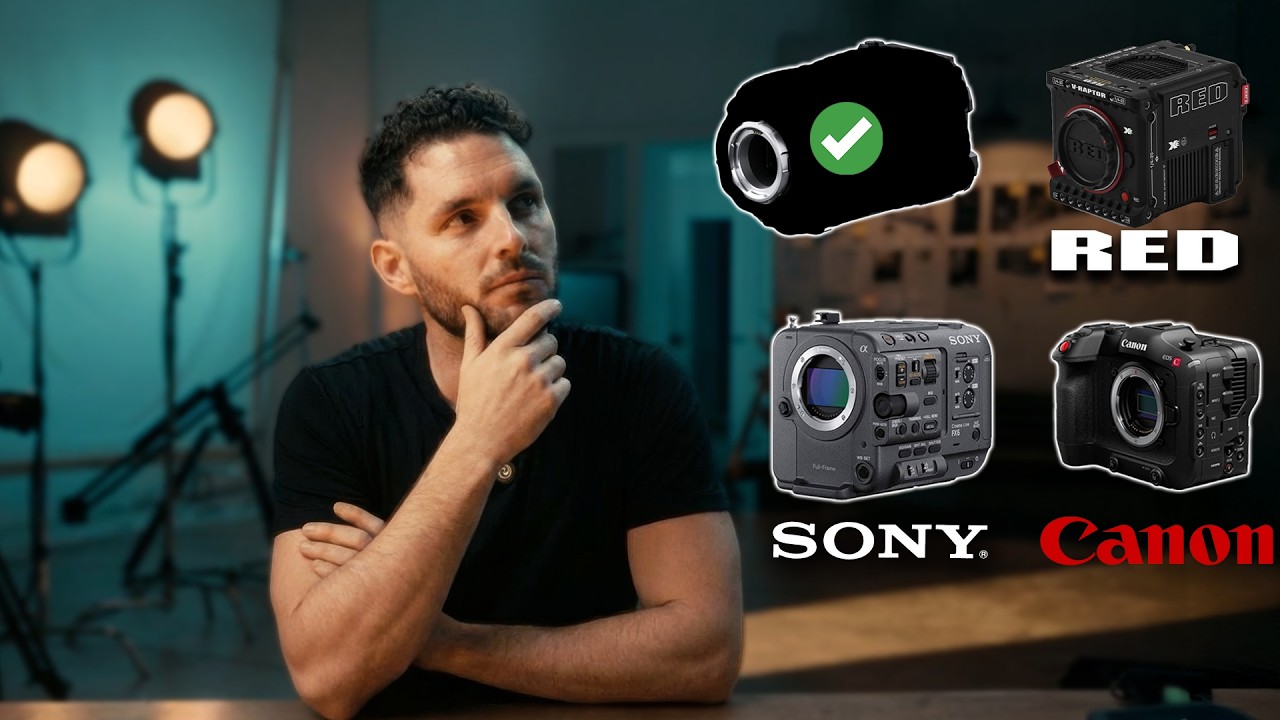
- Only 7 cinema cameras justify purchase in 2026: RED V-Raptor X, Canon C400, Sony FX9 Mark II, ARRI Alexa 35 (if budget allows), Blackmagic URSA Cine 17K, Canon C70 Mark II, and Panasonic EVA2
- Most filmmakers should rent premium cameras like the ARRI Alexa 35 (AED 3,700-1200/day) rather than buying
- Mid-range workhorses (C400, FX9 II) offer the best ownership value at AED 36,800-15,000
- Consider total cost of ownership including accessories, storage, and depreciation before purchasing
- Test extensively through rental before committing to any camera purchase
The cinema camera landscape in 2026 presents a fascinating paradox: whilst we have more exceptional cameras than ever before, fewer are actually worth buying outright. With rental markets thriving and technology advancing rapidly, the question isn't which cameras are brilliant - it's which ones justify the substantial investment of ownership.
After extensive testing and market analysis, only seven cinema cameras truly warrant purchase in 2026. These represent the sweet spot where performance, longevity, rental availability, and total cost of ownership align to make buying sensible. Whether you're a production company scaling operations or an independent filmmaker ready to own your primary camera, this guide cuts through the marketing noise to identify the cameras that will serve you for years to come.
The New Economics of Cinema Camera Ownership
The traditional buy-versus-rent equation has shifted dramatically. Premium cameras like the ARRI Alexa 35 or RED V-Raptor X deliver exceptional results, but their AED 230,000+ price tags make rental the obvious choice for most projects. Meanwhile, the rental market has matured significantly - platforms like LighRent make accessing professional equipment more affordable and convenient than ever.
Why Most Cameras Aren't Worth Buying
Before diving into our recommended seven, it's crucial to understand why most cameras fail the ownership test. Rapid depreciation, evolving codecs, and the substantial ecosystem costs (media, batteries, support rigs) mean that even excellent cameras can become financial burdens. Additionally, insurance, maintenance, and storage costs compound over time.
| Ownership Factor | Annual Cost Impact | Rental Alternative |
|---|---|---|
| Depreciation (20-30% annually) | AED 46,000-15,000 | Zero |
| Insurance & Storage | AED 9,200-4,000 | Included |
| Maintenance & Updates | AED 6,900-3,000 | Owner responsibility |
| Accessories & Media | AED 23,000-8,000 | Often included |
The 7 Cinema Cameras Worth Buying in 2026
1. Canon C400 - The Professional Workhorse
The Canon C400 strikes the perfect balance between professional capabilities and sensible pricing. At approximately AED 55,200, it offers genuine cinema-quality imagery with Canon's renowned colour science and a robust build quality that withstands daily professional use. The camera's RF mount system future-proofs your lens investments, whilst the internal recording capabilities reduce external recorder dependency.
Key ownership advantages include exceptional reliability, widespread service network support, and strong resale values. The C400's position in Canon's ecosystem means firmware updates and long-term support are virtually guaranteed.
2. Sony FX9 Mark II - The Versatile All-Rounder
Sony's FX9 Mark II represents evolutionary perfection rather than revolutionary change, and that's precisely why it warrants purchase. The AED 64,400 investment delivers a camera that excels across documentary, commercial, and narrative work. The full-frame sensor, exceptional low-light performance, and comprehensive recording options make it suitable for virtually any project.
The Mark II addresses the original's few weaknesses whilst maintaining the reliability that made the FX9 a rental favourite. For production companies handling diverse projects, this versatility justifies ownership.
3. RED V-Raptor X - The Premium Investment
At AED 161,000, the RED V-Raptor X isn't an impulse purchase, but for high-end production companies, it represents exceptional value. The 8K sensor delivers breathtaking image quality, whilst RED's compressed RAW workflow maintains manageable file sizes without sacrificing flexibility in post-production.
"The V-Raptor X isn't just about the immediate image quality - it's about having assets that remain valuable five years from now. The 8K capture ensures your content stays relevant as delivery standards evolve." - James Mitchell, DOP and LighRent community member
The camera's modular design means you're not locked into specific configurations, and RED's strong ecosystem support makes this a future-safe investment for serious professionals.
4. ARRI Alexa 35 - When Budget Permits
The ARRI Alexa 35 commands premium pricing (AED 276,000+) but delivers unmatched image quality and industry acceptance. However, we only recommend purchase for established rental houses or production companies with guaranteed utilisation. The camera's exceptional dynamic range and colour rendition set the benchmark for digital cinema.
For most filmmakers, renting the Alexa 35 makes more financial sense, allowing access to this exceptional tool without the massive capital commitment.
5. Blackmagic URSA Cine 17K - The Democratising Force
Blackmagic continues disrupting traditional pricing models with the URSA Cine 17K. At approximately AED 69,000, it offers specifications that would cost twice as much from traditional manufacturers. The massive resolution provides incredible flexibility in post, whilst the built-in recording and monitoring capabilities reduce external equipment requirements.
The camera's appeal lies not just in specifications but in ecosystem integration with DaVinci Resolve, creating a streamlined workflow from capture to delivery.
6. Canon C70 Mark II - The Compact Powerhouse
The C70 Mark II addresses the original's limitations whilst maintaining its compact form factor advantages. At AED 36,800, it's the most accessible entry on our list, making ownership viable for independent filmmakers and smaller production companies.
The camera's strengths include exceptional stabilisation, comprehensive recording options, and Canon's reliable colour science. It's particularly valuable for documentary work, corporate videos, and run-and-gun productions where mobility matters.
7. Panasonic EVA2 - The Reliable Alternative
Panasonic's EVA2 might lack the headline-grabbing features of competitors, but it excels in the fundamentals that matter for consistent professional use. Dual native ISO, excellent dynamic range, and proven reliability make it worth considering, particularly for productions requiring multiple matched cameras.
At AED 46,000, the EVA2 offers solid value and integrates seamlessly with existing Panasonic workflows and accessories.
Making the Buy vs Rent Decision
Calculate Your Break-Even Point
Before purchasing any camera, calculate how many rental days equal the purchase price. For most cameras, this break-even occurs around 40-60 rental days, assuming average UAE rental rates. However, this calculation must include the total cost of ownership, not just the initial purchase price.
Consider Your Project Pipeline
Camera ownership makes sense when you have predictable, regular use. If you're shooting less than once monthly, rental through platforms like LighRent typically offers better financial returns whilst providing access to the latest equipment.
For production companies with steady workflows, ownership provides scheduling flexibility and eliminates rental coordination overhead. However, consider maintaining a core owned kit whilst renting specialised equipment as needed.
Future-Proofing Your Investment
Technology Lifecycle Considerations
Modern cinema cameras typically maintain professional relevance for 5-7 years, but their peak value diminishes after 3-4 years. When evaluating purchase decisions, consider whether the camera's specifications will meet industry standards throughout its useful life.
Factors like codec support, resolution capabilities, and connectivity options significantly impact long-term viability. Cameras supporting industry-standard formats and offering firmware upgrade paths provide better investment protection.
Ecosystem Integration
Consider how each camera integrates with your existing workflow and equipment. Lens compatibility, recording media, power systems, and post-production workflows all impact the total cost of ownership. Cameras requiring extensive new supporting equipment may prove more expensive than their initial price suggests.
For comprehensive equipment browsing and rental options, explore LighRent's marketplace to test cameras before making purchase decisions.
Frequently Asked Questions
Should I buy or rent cinema cameras for my production company?This depends on your shooting frequency and project types. If you're using cameras more than 40-60 days annually, purchasing often makes financial sense. However, for irregular use or when requiring multiple camera types, rental provides better flexibility and access to latest technology. Consider a hybrid approach: own 1-2 workhorse cameras and rent specialised equipment as needed.
How do I calculate the true cost of camera ownership?Include purchase price, annual depreciation (20-30%), insurance (AED 9,200-4,000 annually), storage costs, maintenance, firmware updates, and essential accessories. Also factor in opportunity cost - money invested in cameras can't generate returns elsewhere. Compare this total against rental costs for your typical usage patterns.
Which cameras hold their value best for resale?Canon and Sony cameras typically maintain stronger resale values due to widespread adoption and robust service networks. ARRI cameras hold value exceptionally well but require much higher initial investments. RED cameras maintain good value within their ecosystem, whilst Blackmagic cameras, despite excellent performance, depreciate more quickly due to aggressive pricing strategies.
How important is 8K recording capability in 2026?8K capability is increasingly valuable for future-proofing content and providing post-production flexibility, even when delivering in 4K. However, consider storage and processing requirements - 8K workflows demand significant infrastructure investments. For most productions, excellent 4K capture with good colour science proves more practical than basic 8K recording.
What's the minimum annual usage to justify camera ownership?Generally, using a camera 40-60 days annually justifies purchase, assuming average UAE rental rates. However, this varies significantly based on camera type, rental availability, and your specific requirements. Calculate break-even based on your local rental costs and factor in ownership benefits like scheduling flexibility and familiarity with your equipment.
Ready to test these cameras before making your decision? Browse our comprehensive selection of cinema cameras available for rental across the UAE.
Browse Equipment on LighRent Read More Guides